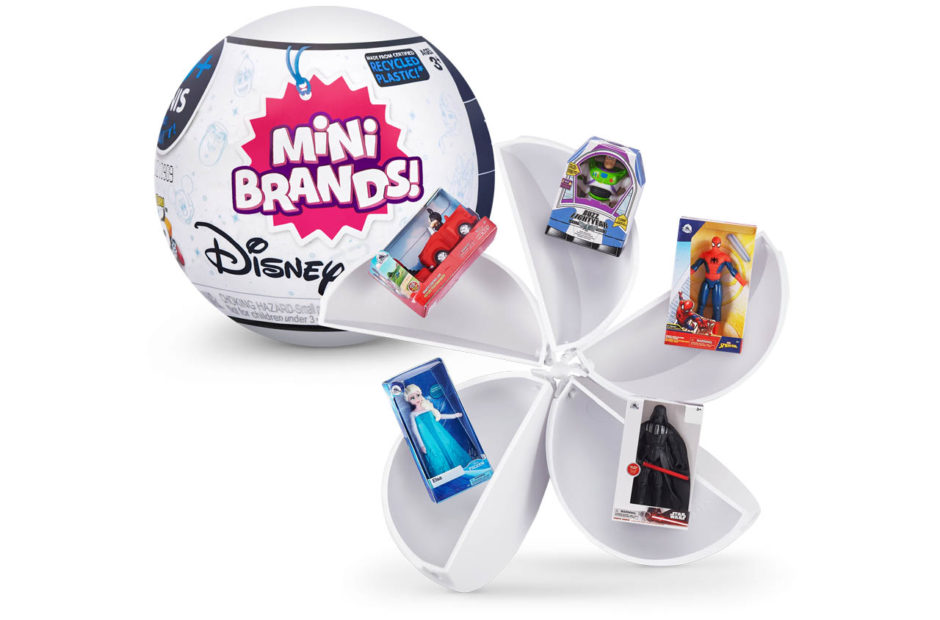
If you have been to a checkout line in the last few years, you have probably seen them. Tiny replicas of grocery items, candy boxes, cleaning supplies, and beauty products, all packed inside a plastic capsule. Mini Brands by Zuru started as a novelty, but by 2025 they have become one of the most recognizable and impulse-driven collectibles in pop culture.
What seems simple on the surface is actually a perfect example of how nostalgia, retail psychology, and social media can transform a small idea into a global trend. Mini Brands are not just toys. They are tiny physical reminders of familiar products, and they tap into the same collecting instincts that have kept trading cards and blind boxes popular for decades.
The Power of Miniature Nostalgia
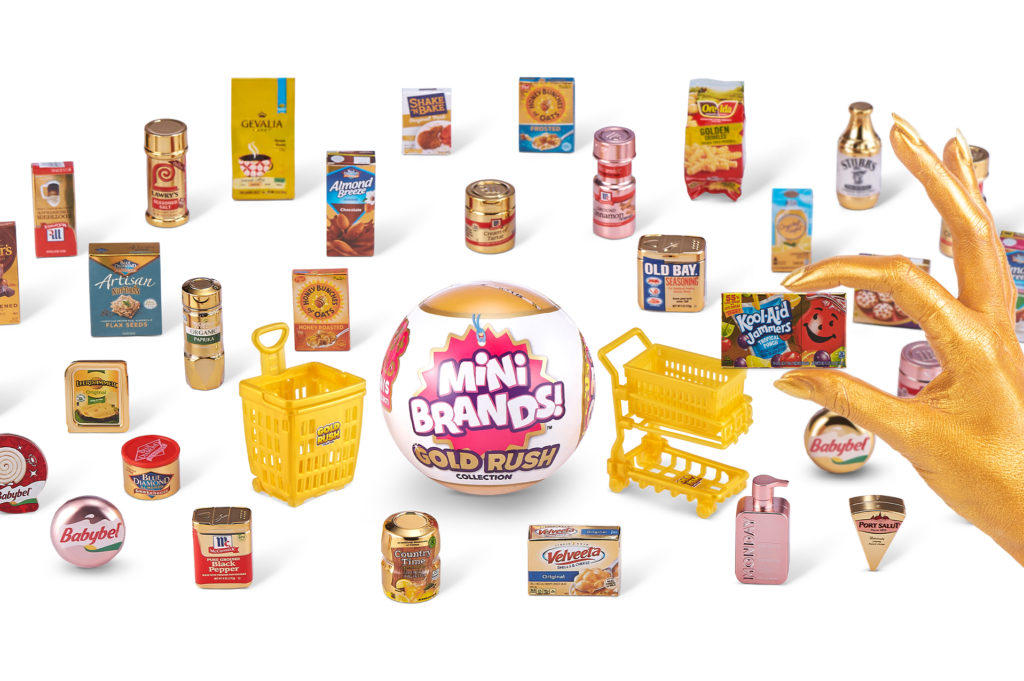
Part of the appeal is immediacy. The moment you open a Mini Brands capsule, you recognize what is inside, because it is something you have seen in your pantry or on a store shelf for years. A miniature bottle of mustard, a tiny box of cereal, or a scaled-down snack bag is instantly relatable. That instant recognition is what separates Mini Brands from many other collectible lines.
Collectors are not just getting a random figure. They are getting a small, detailed version of something that has always been around them. That connection makes the reveal more satisfying, and it explains why adult collectors have embraced Mini Brands just as strongly as kids.
Perfect for Checkout Placement
Mini Brands succeed because they fit perfectly into impulse buying. The capsules are small, inexpensive, and packaged in a clean visual style that stands out against candy bars and gift cards. For retailers, it is the modern form of the classic impulse rack. For shoppers, it is something fun to grab on the way out the door.
Retailers have learned to treat Mini Brands as micro collectibles. Target, Walmart, and grocery chains place the capsules at eye level in checkout lanes, near self-checkout stations, or at the end of toy aisles. Their size makes them easy to stock and easy to notice, and that has helped the line reach far beyond traditional toy buyers.
The Social Media Factor
Mini Brands also thrive online. TikTok and Instagram are filled with reveal videos, collection showcases, and restock hunts. A single capsule opening takes only a few seconds to film, which makes Mini Brands ideal for short-form video. Collectors often post their full shelves of miniature products, or build tiny markets and kitchens to display them.
The combination of recognition, surprise, and visual charm is ideal for social media. It is easy content, and it encourages other collectors to join in. As more viewers discover the trend, demand climbs higher, creating a cycle that has kept Mini Brands relevant since their debut.
Why Mini Brands Still Work in 2025
Unlike some fast fads, Mini Brands have managed to maintain their momentum. New waves of products release regularly, themed capsules create simple entry points for new collectors, and the line continues to expand into new categories. They are consistent, accessible, and fun to collect, which is often all a trend needs to stay alive.
The biggest strength of Mini Brands is that they feel familiar. A tiny version of something from your childhood pantry is comforting. It is a reminder of after-school snacks, weekend breakfasts, and the old brands you grew up seeing in commercials. Mini Brands turn that familiarity into a collectible format, and they do it with surprising charm.
In a retail world filled with digital entertainment and algorithm-driven recommendations, a tiny plastic bottle of dish soap might not seem like a cultural moment. Yet here we are in 2025, still opening capsules in checkout lanes and posting the results online. The simplest ideas have a way of sticking around, and Mini Brands have proven that the smallest collectibles can make the biggest impact.