Some cult classics do not reveal themselves easily. They resist you when you are younger, feel frustrating or impenetrable, and then suddenly make perfect sense years later. Brazil is very much that kind of movie. Terry Gilliam’s nightmarish vision of bureaucracy, fantasy, and control can feel overwhelming on a first encounter, especially if you come in expecting a straightforward sci-fi adventure.
This week in Cult Classics You Should Finally Watch, we are revisiting a film that many people bounced off as teenagers, only to return to later and realize it was speaking directly to adult anxieties all along.
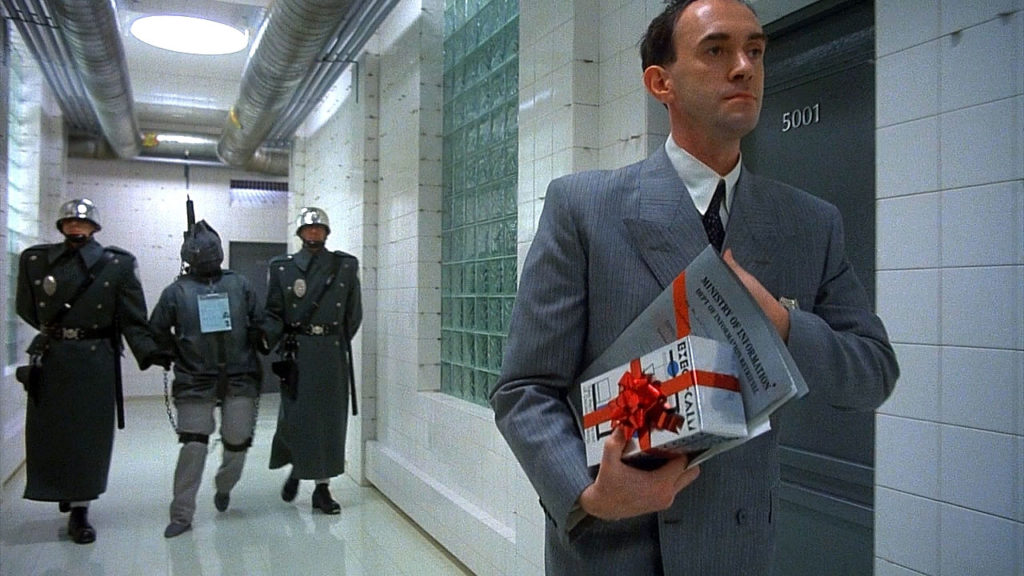
Why Brazil Is A Cult Classic
Brazil earns its cult status through sheer commitment to its worldview. Gilliam constructs a suffocating retro-future where paperwork matters more than people, machines are constantly breaking, and imagination is the only real escape. It is absurd, darkly funny, and often uncomfortable by design.
Jonathan Pryce anchors the film as Sam Lowry, a low-level bureaucrat whose dreams of heroism clash with the crushing reality of his job and society. Around him, the cast delivers a parade of unforgettable performances, from Robert De Niro’s rogue heating engineer to Michael Palin’s disturbingly polite interrogator.
Fans embraced the film because it refuses to soften its message. It blends satire, fantasy, and tragedy into something that feels singular. Over time, viewers who connected with it felt like they had discovered a secret language, which is the foundation of any true cult following.
Why People Missed It The First Time
When Brazil was released in 1985, it faced significant obstacles. The film’s tone was strange, its pacing unconventional, and its ending deeply unsettling. Studio interference and multiple cuts only added to the confusion around what version audiences were supposed to be seeing.
It also arrived during a decade dominated by cleaner, more optimistic sci-fi. Compared to crowd-pleasers and high-concept adventures, Brazil felt dense and confrontational. Younger viewers, in particular, often struggled to connect with its themes of workplace despair and systemic absurdity.
For many people, it simply was not the right movie at the right time. That initial disconnect kept it from becoming a mainstream hit, but it also set the stage for its long-term cult appreciation.
Why Brazil Still Holds Up
Watching Brazil now, its relevance is almost startling. The obsession with forms, procedures, surveillance, and faceless authority feels uncomfortably familiar. The film’s humor lands harder once you have experienced enough of the real world to recognize what it is skewering.
Visually, it remains striking. Gilliam’s practical sets, exaggerated architecture, and cluttered frames create a world that feels tangible and oppressive. The lack of slick polish actually works in its favor, making the environment feel lived-in and hostile.
Most importantly, the film rewards patience. What once felt confusing starts to feel intentional. The fantasy elements become coping mechanisms rather than plot devices. It transforms from a strange movie you do not quite understand into a warning you cannot ignore.
Where To Watch Brazil (1985)
Availability for Brazil can vary depending on which cut is streaming, so it is worth checking before you settle in. The easiest way to see current streaming, rental, or purchase options is through Reelgood. When available, the film typically appears as a digital rental or purchase on platforms like Prime Video and Apple TV. Physical media releases exist, often including multiple cuts that are worth exploring if you want the full context.
Final Thoughts
Brazil is not an easy watch, and it is not meant to be. It is a film that challenges you, frustrates you, and then lingers long after it ends. That experience tends to hit much harder once you have lived enough life to understand what it is saying.
If you dismissed it years ago or never quite clicked with it, revisiting Brazil as an adult can be a revelation, as I learned when I rewatched it for its 40th anniversary review. Few cult classics reward maturity and perspective quite this strongly, and fewer still feel as uncomfortably relevant as they do decades later.
Fun Jug Media, LLC (operating TheNerdy.com) has affiliate partnerships with various companies. These do not at any time have any influence on the editorial content of The Nerdy. Fun Jug Media LLC may earn a commission from these links.