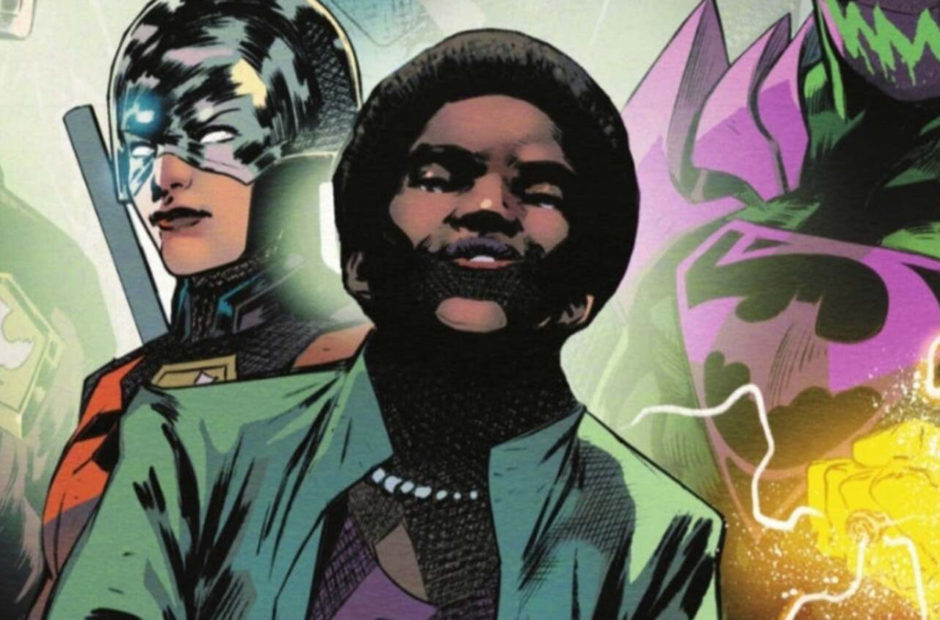
In a universe full of masked heroes and costumed villains, someone still has to watch the bigger picture. ARGUS exists to do exactly that. Operating in the shadows of the DC Universe, this intelligence organization monitors metahuman activity, extraterrestrial threats, and global crises long before they reach the Justice League’s radar.
The Origins of ARGUS
The organization was introduced in DC Comics as a response to a growing problem. Superpowered individuals were becoming more common, more destructive, and harder to control. Governments needed a way to track and respond to these threats without relying entirely on independent heroes.
Rather than acting as a strike force, ARGUS was designed as an intelligence and oversight agency. Its primary role is information gathering, threat assessment, and coordination with other government assets.
Amanda Waller and Government Oversight
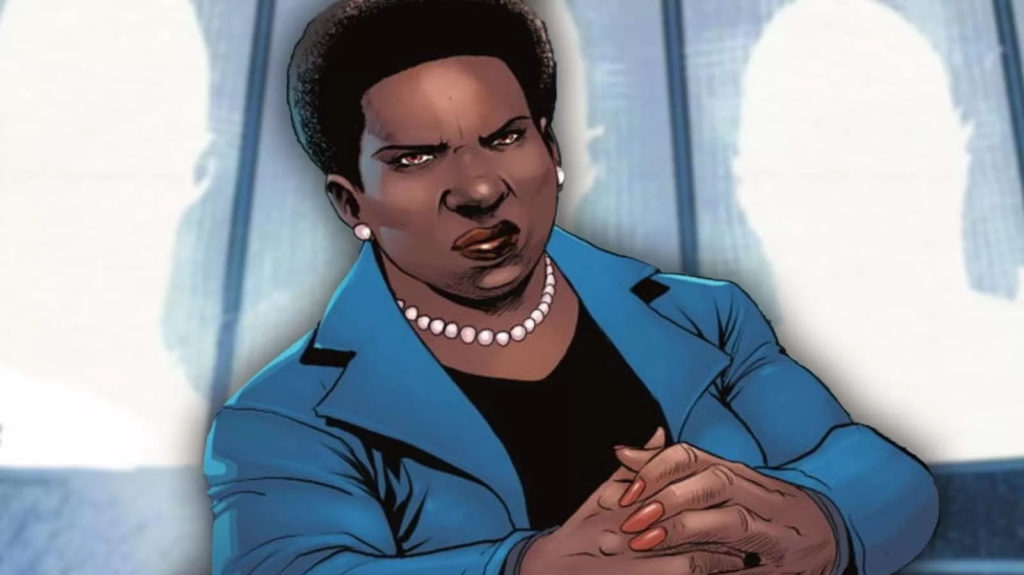
Amanda Waller is one of the most influential figures associated with this agency. While she is more publicly linked to Task Force X (aka Suicide Squad), her presence reinforces the organization’s core philosophy. Power must be monitored, controlled, and, when necessary, neutralized.
Under leadership like Waller’s, the agency operates with cold pragmatism. Moral clarity is secondary to national and global security.
How ARGUS Operates
Unlike superhero teams, this organization does not act publicly. Surveillance, intelligence analysis, and contingency planning are its primary tools. Agents observe metahuman activity, track emerging threats, and prepare responses that can be activated if heroes fail or refuse to act.
Operations are compartmentalized. Information is shared on a need-to-know basis, even internally. This structure reduces leaks but increases mistrust.
ARGUS and Other DC Organizations
The agency frequently intersects with other power structures in the DC Universe. It coordinates with Task Force X when direct action is required. It competes with Checkmate over jurisdiction and methodology. It clashes with the Justice League over transparency and authority.
These tensions are intentional. The organization exists as a counterweight to unchecked heroism.
ARGUS Versus the Justice League
The Justice League operates on trust and moral responsibility. This intelligence agency operates on contingency and control. While both aim to protect the world, their approaches are fundamentally incompatible.
Heroes value autonomy. Governments value predictability. That conflict ensures the agency remains controversial, even when it is effective.
ARGUS in Film and Television
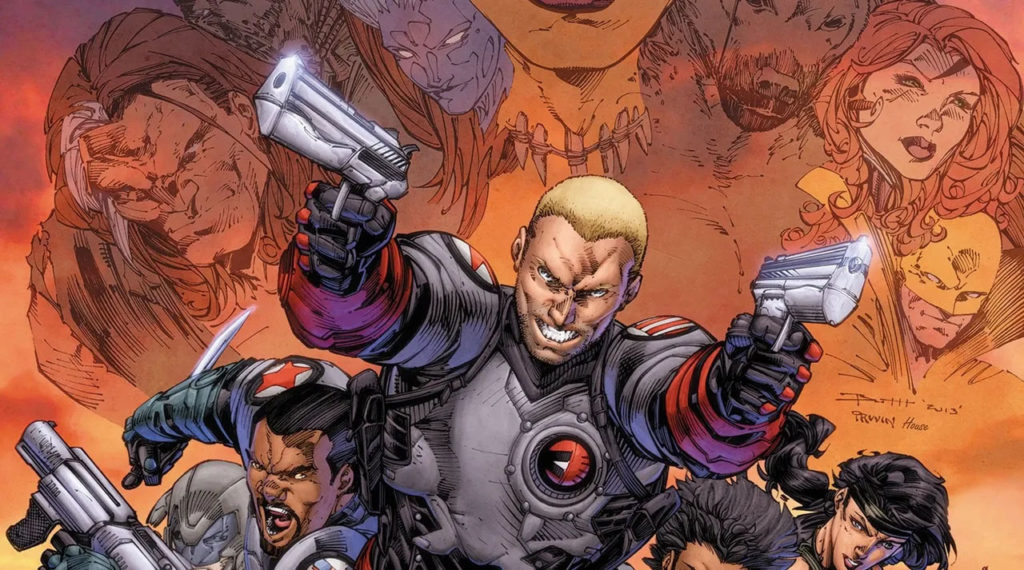
This organization has appeared across animation and live-action adaptations, often serving as the connective tissue between heroes, villains, and government response. These portrayals emphasize secrecy, internal politics, and the uneasy alliance between officials and costumed figures.
On screen, the agency often functions as a reminder that even heroes are being watched.
Why ARGUS Matters
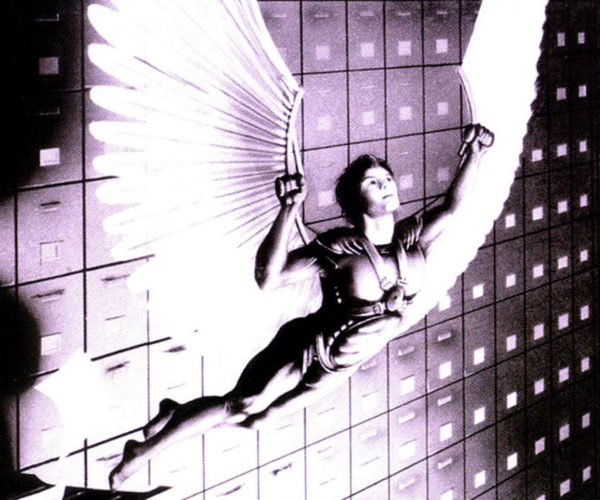
ARGUS represents institutional power in a world dominated by individuals. It asks uncomfortable questions about accountability, surveillance, and who gets to decide when force is justified. In stories where gods walk among humans, this agency insists that someone still has to keep records.
FAQs
Is ARGUS a villain organization?
No. It operates in morally gray territory but exists to protect global security.
Is ARGUS the same as Task Force X?
No. Task Force X is a covert strike program. This agency focuses on intelligence and oversight.
Does the Justice League answer to ARGUS?
No. The League remains independent, which is a constant source of tension.
Conclusion
ARGUS fills the space between heroism and authority. It does not wear masks or seek public approval. Its power comes from information, preparation, and the willingness to act when others hesitate. Whether viewed as a safeguard or a threat, the organization remains one of the DC Universe’s most important unseen forces.