Sing the first few notes of The Brady Bunch, Gilligan’s Island, or The Fresh Prince of Bel-Air in a crowded room, and almost everyone present can recite the lyrics word for word. For decades, the television theme songs were not merely background audio. It was an iconic cultural anthem that millions of viewers heard every single week.
Today, that musical tradition has practically vanished from prime-time broadcasting and streaming menus. Modern television dramas and sitcoms rarely feature full-length vocal anthems or sweeping orchestral arrangements. Instead, viewers get an abrupt five-second burst of digital noise accompanied by a minimalist title card, or worse, a graphic that fades to black before the introductory credits can even register.
How did television theme songs transform from unavoidable, chart-topping pop culture phenomena into extinct broadcasting relics? The decline was not caused by a sudden lack of talented composers. It was driven by the commercial pressures of the television business, including remote controls, syndication clock trimming, the battle against channel surfing, and the rise of algorithmic streaming buttons.
The Functional Necessity of Exposition
To understand why vintage television theme songs were so memorable, you have to look at the practical narrative problem they were designed to solve.
In the 1960s and 1970s, television was an episodic, casual medium. Viewers did not possess on-screen program guides, streaming backlogs, or internet summaries. If a casual channel surfer stumbled across a sitcom mid-season, they needed to instantly understand the premise without reading a synopsis.
The theme song served as the ultimate storytelling shortcut. Through clever, tightly rhymed lyric writing, composers delivered pure exposition in sixty seconds flat:
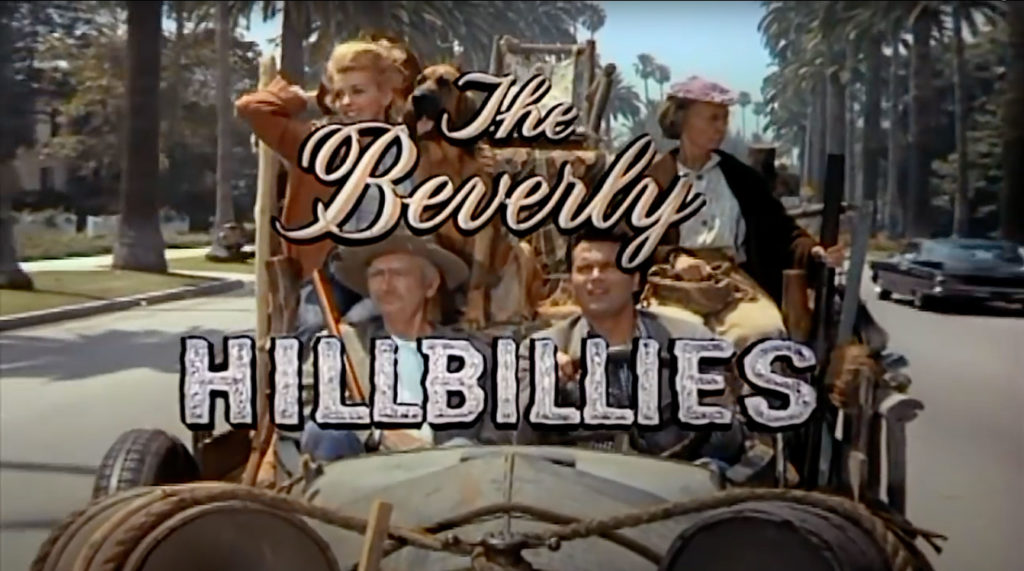
- The Beverly Hillbillies: Written by Paul Henning and performed by bluegrass legends Lester Flatt and Earl Scruggs, “The Ballad of Jed Clampett” cleanly explains how a poor mountaineer struck oil, became a multi-millionaire, and relocated his kin to California.
- Gilligan’s Island: Sherwood Schwartz co-wrote “The Ballad of Gilligan’s Isle” specifically to prevent network executives from canceling the show over viewer confusion, methodically listing every passenger aboard the S.S. Minnow and explaining how a three-hour tour ended in shipwreck.
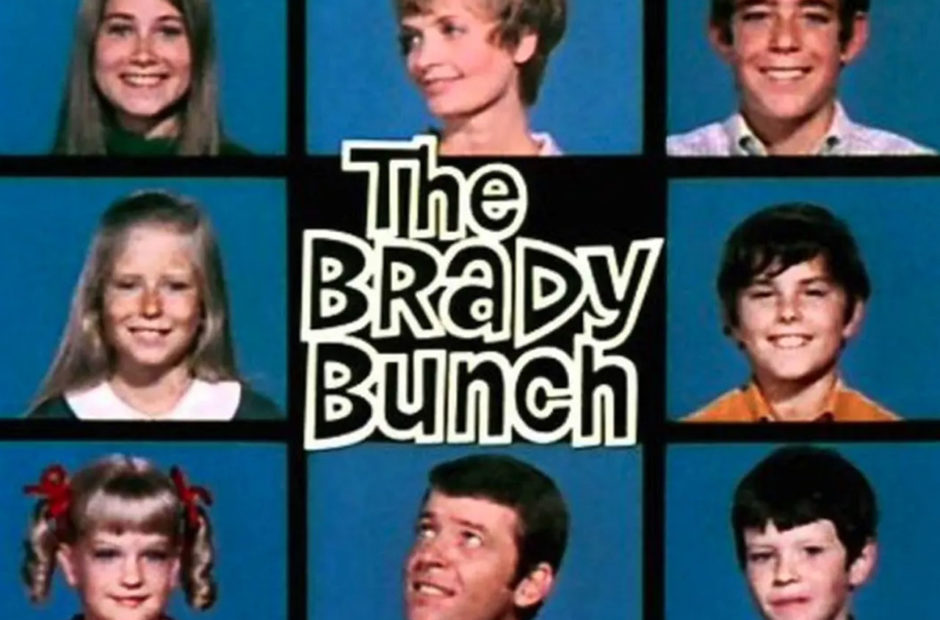
- The Brady Bunch: Also co-written by Schwartz, the opening song systematically maps out a blended family structure with three girls and three boys so thoroughly that no viewer ever questioned the living arrangements.
By the time the final chord faded, the audience was fully briefed on the rules of the fictional world and primed for the week’s plot.
The Golden Age of the Hitmaker Composers
As television production matured in the 1970s and 1980s, themes transitioned from literal lyrical explanations to evocative musical branding. Hollywood studios hired elite studio musicians, jazz arrangers, and pop composers to craft distinct sonic identities for every hour of the prime-time schedule.
No single figure dominated this era more thoroughly than Mike Post. Working alongside legendary arranger Pete Carpenter, Post transformed television scoring into a high-charting commercial art form. Post relied on sharp rhythm sections, electric guitars, and memorable synth hooks to create undeniable audio trademarks for series like The Rockford Files, Magnum, P.I., Hill Street Blues, The A-Team, and Quantum Leap.
These tracks were not just throwaway television jingles; they were legitimate commercial records. Post scored multiple top-ten hits on the Billboard Hot 100 with his television themes. “The Rockford Files” peaked at number ten on the pop charts in 1975 and won a Grammy Award. Six years later, Post’s gentle, piano-driven theme for Hill Street Blues reached number two on the Billboard Hot 100.
Similarly, Jan Hammer’s propulsive, synthesizer-heavy instrumental theme for Miami Vice hit number one on the Billboard charts in 1985, proving that a sixty-second television opening could drive multi-platinum record sales.
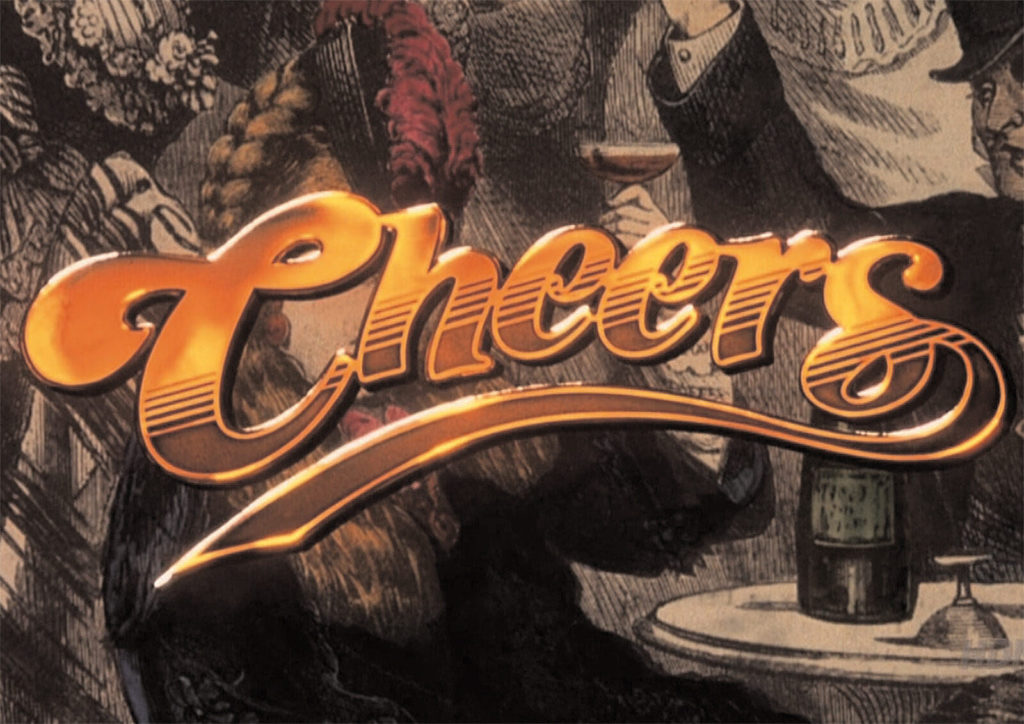
Perhaps no vocal theme of the era achieved greater permanence than Gary Portnoy and Judy Hart Angelo’s “Where Everybody Knows Your Name” for Cheers. Originally rejected by Broadway producers for a theatrical musical, the reworked ballad captured an emotional longing for community that resonated far beyond the sitcom itself. The full version reached the pop charts in 1983, and its opening piano riff remains an immediate cultural shorthand for comfort and belonging over four decades later.
The Battle for Seconds: Channel Surfing and Cold Opens
The beginning of the end for the great television theme arrived in the late 1980s and early 1990s, triggered by a tiny plastic device: the infrared remote control.
Before remote controls became universal household fixtures, changing the channel required getting up off the sofa and walking across the carpet to turn a physical knob. Viewers were naturally inclined to sit through opening title sequences and commercial breaks simply to avoid the physical effort.
Once couch-bound viewers could flip through dozens of cable channels with the flick of a thumb, network programmers panicked. Ratings research revealed a terrifying new consumer pattern: the moment a show ended and the next program launched into a minute-long opening credit crawl, channel surfers fled to competing networks.
To trap viewers before they could touch their remotes, networks pioneered two aggressive counter-tactics:
- The Cold Open: Instead of opening with music and actor names, shows immediately launched into the narrative action or delivered a high-energy comedy sketch before the first commercial break, hooking the viewer before they realized a new program had started.
- Shrinking the Credit Window: Networks began ordering producers to compress their opening title sequences. A theme that once ran sixty to ninety seconds in the 1970s was squeezed down to thirty seconds in the 1980s, fifteen seconds in the 1990s, and eventually reduced to a three-second title graphic by the 2000s.
Hit series like Lost in 2004 epitomized this modern philosophy, replacing traditional opening arrangements with a blurry typographic logo accompanied by a single, unsettling metallic drone lasting just five seconds.
The Commercial Squeeze and Syndication Clocks
Beyond viewer retention, simple financial arithmetic drove the final nail into the coffin of the television theme.
In the 1960s, a standard one-hour network broadcast contained roughly fifty-one minutes of actual program footage and nine minutes of commercials. By the late 1990s, broadcast networks were aggressively expanding commercial loads, pushing non-programming time to sixteen or seventeen minutes per hour.
Every second spent playing a theme song or displaying actor credits was a second that could not be sold to corporate advertisers. Furthermore, when original shows entered off-network syndication, local station operators routinely trimmed the original opening title tracks or sped up the footage by five to eight percent to wedge additional local used-car and injury-attorney commercials into the broadcast window.
The Streaming Skip Button
When entertainment distribution shifted from linear broadcast television to on-demand streaming platforms, the economic pressures changed, but the outcome for the theme song remained identical.
In 2017, Netflix introduced its ubiquitous “Skip Intro” button, using audio-recognition algorithms to let viewers bypass opening credit sequences entirely with a single mouse click or tap of a remote. While prestige cable dramas like Succession, The White Lotus, and Game of Thrones proved that audiences will still celebrate an exceptional musical overture, they represent rare exceptions in an industry that now treats introductory music as an inconvenience rather than an asset.
The demise of the classic television theme song cost pop culture one of its most potent communal experiences. For fifty years, those infectious melodies signaled that your favorite characters had arrived, gathering entire households in front of the glow of the screen before the first line of dialogue was even spoken.