Some TV shows that never got a proper ending were canceled on shocking cliffhangers. Others had years of story still planned before networks abruptly pulled the plug. In every case, viewers were left waiting for episodes that never arrived.
Not every television show gets the ending it deserves.
Sometimes a series runs for years before reaching a carefully planned conclusion. Other times, the network pulls the plug with little warning, leaving writers, actors, and viewers wondering what might have happened next. Cliffhangers remain unresolved, long-running mysteries go unanswered, and character arcs simply… stop.
That’s different from a finale that audiences dislike. Shows like Lost, How I Met Your Mother, or Game of Thrones all reached an ending, even if those endings remain hotly debated. The shows on this list are something else entirely. They were built with the expectation that more story was coming, only for that story to never arrive.
In a few cases, movies, revival series, or comics later attempted to provide closure. In others, the creators have revealed what they intended to do if given another season. But for millions of viewers watching when these shows originally aired, the experience was the same: one week there was another chapter to look forward to, and the next there wasn’t.
These are 20 television shows that never got a proper ending.
ALF (1986–1990)
Why it deserves to be here: Television’s most infamous unresolved sitcom cliffhanger.
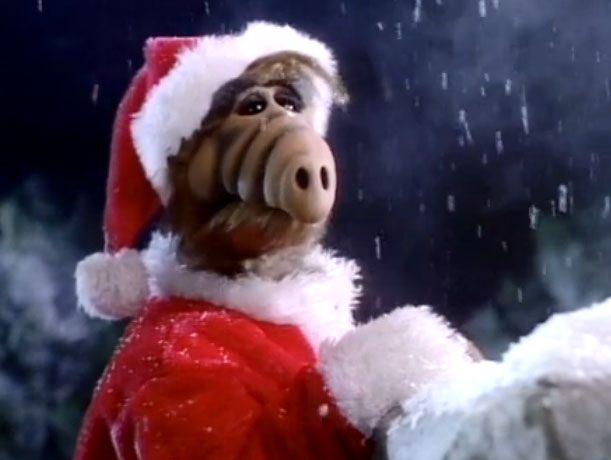
For four seasons, viewers waited for the day Gordon Shumway would finally make it home. The wisecracking alien from Melmac had spent years hiding with the Tanner family while avoiding capture by the U.S. government. In the fourth-season finale, it looked like his long journey was finally about to end.
After making contact with other surviving Melmacians, ALF arranges a rendezvous with a rescue ship. As he waits in an open field, the spacecraft begins its descent. Moments before it can reach him, military helicopters appear overhead, government agents surround the area, and ALF is taken into custody. The episode ends with the words “To Be Continued…” splashed across the screen.
There was never another episode.
NBC canceled ALF shortly after the finale aired, transforming what was meant to be a season-ending cliffhanger into the sitcom’s permanent ending. Instead of returning home, ALF’s final television appearance left him imprisoned by the very people he had spent four years trying to avoid.
Six years later, the television movie Project: ALF revealed that ALF survived government captivity and eventually escaped. While the film technically resolved the cliffhanger, it notably omitted the Tanner family entirely and never felt like the conclusion viewers had expected when the series ended in 1990.
More than three decades later, ALF remains the gold standard for unfinished sitcom endings. When television fans talk about shows that never got a proper ending, ALF standing alone in that field as the helicopters close in is often the first image that comes to mind.
Where to watch: Available to stream; sold on physical media and digitally.
Soap (1977–1981)
Why it deserves to be here: One of television’s earliest and most frustrating canceled cliffhangers.
Unlike traditional sitcoms, Soap embraced serialized storytelling. Week after week, the Tate and Campbell families became entangled in increasingly outrageous plots, and viewers tuned in expecting each cliffhanger to lead naturally into the next chapter. That made its cancellation especially painful.
The fourth-season finale was never written as a series finale. Jessica Tate faced execution before a firing squad in the fictional nation of San Cristobal, while Burt Campbell and Danny Dallas appeared to be walking directly into an armed ambush. Several other storylines also remained unresolved, clearly intended to continue into a fifth season.
That season never happened. ABC canceled Soap in 1981, leaving audiences without answers to any of the major cliffhangers. Unlike many later television series, there was no reunion movie, revival season, or comic book continuation to offer closure. The story simply stopped.
Ironically, one member of the cast escaped this fate. Benson DuBois had already departed the series two years earlier to star in the hit spin-off Benson, which ultimately ran for seven seasons. The rest of the Soap ensemble wasn’t nearly as lucky.
More than forty years later, Soap remains one of the clearest examples of a television series being canceled in the middle of its story. Fans weren’t left debating the ending—they were left waiting for one that never came.
Where to watch: Available to stream; sold on physical media and digitally.
Terminator: The Sarah Connor Chronicles (2008–2009)
Why it deserves to be here: Fox canceled the series immediately after it completely rewrote John Connor’s future.
The second-season finale of Terminator: The Sarah Connor Chronicles did far more than end on a cliffhanger. It completely changed the direction of the series. After Cameron’s body was found deactivated and her chip disappeared, John Connor followed John Henry into the future while Sarah remained behind, believing her son was headed toward the destiny he had always been meant to fulfill.
Instead, John arrived in a future where no one knew who he was. Derek Reese was alive, Kyle Reese had yet to become John’s father, and Allison Young, the resistance fighter whose appearance Cameron had been modeled after, was standing in front of him. By leaving his own time before becoming humanity’s legendary leader, John appeared to have entered a timeline where the resistance had developed without the famous John Connor.
It was one of the boldest twists the Terminator franchise had ever attempted and set the stage for an entirely new chapter of the story. Viewers were left wondering how John would earn his place, what had become of Cameron, and what role John Henry would ultimately play in humanity’s future.
They never found out. Fox canceled the series in May 2009, only weeks after the finale aired. Unlike other canceled science fiction series, The Sarah Connor Chronicles never received a movie, revival, or official continuation to resolve its ending.
Its final episode accomplished exactly what a season finale is supposed to do: make audiences desperate to see the next season. Unfortunately, there wasn’t one.
Where to watch: Available to stream; sold on physical media and digitally.
My Name Is Earl (2005–2009)
Why it deserves to be here: The creators knew exactly how the story would end—they just never got the chance to film it.
From its very first episode, My Name Is Earl gave viewers a clear destination. Earl Hickey believed karma was giving him a second chance, so he set out to make amends for every bad thing he had ever done. His handwritten list became the heart of the series, naturally leading fans to wonder whether he would ever finish it.
NBC canceled the sitcom after its fourth season before that question could be answered. Rather than wrapping up Earl’s journey, the final episode introduced another major mystery when Earl learned he might not actually be Dodge’s biological father. Like so many season finales, it was written with the expectation that another year of stories was on the way.
Unlike many shows on this list, however, fans eventually learned exactly how the story was supposed to end. Creator Greg Garcia later revealed that Earl was never meant to complete every item on his list. Instead, Earl would discover that another person had started their own list after being inspired by his example. That realization would help Earl understand that kindness spreads from person to person, making the list itself less important than the lives it had already changed.
It’s a conclusion that perfectly fits the optimistic spirit of the series, which only makes its absence more frustrating. Rather than ending with one final checkmark, My Name Is Earl was always meant to show that doing the right thing inspires others to do the same.
Fans know how Earl’s story was supposed to end. They simply never got the chance to watch him reach that moment.
Where to watch: Available to stream; sold on physical media and digitally.
Carnivàle (2003–2005)
Why it deserves to be here: HBO canceled one of television’s most ambitious long-form stories before it reached the halfway point.
Unlike most television dramas, Carnivàle was never designed to tell a complete story in just a few seasons. Creator Daniel Knauf envisioned the series as a six-season epic divided into three two-season “books.” The first two seasons were intended to introduce the mythology, establish the central conflict, and set the stage for everything that followed.
The second-season finale, “New Canaan, CA,” delivered what was essentially the end of the first act. Ben Hawkins and Brother Justin finally confronted one another in a battle that dramatically reshaped both characters’ futures, while many of the show’s biggest mysteries—including the true nature of the Avatars, Management, and the larger struggle between good and evil—remained intentionally unresolved. Rather than wrapping up the story, the finale was clearly preparing viewers for Book Two.
That next chapter never arrived. Despite critical acclaim and a loyal following, HBO canceled Carnivàle after two seasons, largely because of its high production costs. The decision ended the series after only one-third of Knauf’s planned saga had reached television.
Over the years, Knauf has shared portions of his long-term plans in interviews, explaining where several major characters were headed and how the mythology would have expanded. Those glimpses have only reinforced how much story remained untold.
Few canceled shows fit this list better than Carnivàle. It wasn’t racing toward a conclusion when it ended. It had barely finished introducing its world, making its cancellation one of television’s greatest unfinished stories.
Where to watch: Available to stream; sold on physical media and digitally.
The Pretender (1996–2000)
Why it deserves to be here: Even two television movies couldn’t completely finish Jarod’s story.
For four seasons, The Pretender followed Jarod, a genius who could master virtually any profession after only days of study. Having escaped from the mysterious organization known as The Centre, he traveled the country helping strangers while slowly uncovering the truth about his own family and the people who had controlled his life since childhood.
The fourth-season finale, “The Inner Sense, Part 2,” was clearly designed to launch another season. Jarod finally came face-to-face with his father, only for both men to become trapped in an explosion. At the same time, Miss Parker discovered shocking new information about her own family, while numerous mysteries surrounding The Centre, Jarod’s origins, and the larger mythology remained unresolved.
NBC canceled the series before another season could be produced, leaving fans without answers to years of carefully built mythology. TNT later attempted to provide closure with two television movies, The Pretender 2001 and The Pretender: Island of the Haunted. While they resolved some storylines, they also introduced new questions and ultimately ended without providing the definitive conclusion many viewers had hoped for.
Creator Steven Long Mitchell has spoken over the years about wanting to properly conclude Jarod’s journey, but despite periodic discussions of revivals, that ending has never materialized.
Unlike many shows on this list, The Pretender did receive another chance. It simply wasn’t enough. More than two decades later, fans are still waiting for the ending Jarod’s story was always meant to have.
Where to watch: Available to stream; sold on physical media and digitally.
Pirates of Dark Water (1991–1993)
Why it deserves to be here: One of animation’s greatest adventures was abandoned before the quest could be completed.
Unlike most animated series of its era, Pirates of Dark Water told one continuous story. Prince Ren and his companions traveled the world of Mer searching for the Thirteen Treasures of Rule, magical artifacts capable of stopping the destructive Dark Water from consuming the planet. From the very beginning, viewers understood that the journey would only end once every treasure had been found.
It never happened. By the time Hanna-Barbera ended production, only eight of the thirteen treasures had been recovered. The Dark Water still threatened Mer, the villainous pirate Bloth remained in pursuit, and Ren’s quest was nowhere near complete. Rather than concluding the adventure, the final episode simply ended as though another chapter would follow.
Unfortunately, it didn’t. Low ratings and high production costs brought the series to an early end, leaving five treasures unfound and the central conflict completely unresolved. Unlike many shows on this list, there wasn’t even a final cliffhanger. The story simply stopped in the middle of its larger quest.
Over the years, fans have repeatedly called for a revival, comic book continuation, or animated film that would finally allow Ren to complete his mission. None have materialized, leaving viewers to imagine how the legendary quest was supposed to end.
More than thirty years later, Pirates of Dark Water remains one of the clearest examples of an unfinished animated epic. A story built around finding thirteen treasures ended after only eight, making it impossible not to wonder what became of the other five.
Where to watch: Available to stream; sold on physical media and digitally.
FlashForward (2009–2010)
Why it deserves to be here: A series built around answering one enormous mystery never got the chance to do it.
ABC’s FlashForward began with one of television’s most compelling premises. Every person on Earth simultaneously lost consciousness for two minutes and seventeen seconds, experiencing a vision of their own future six months ahead. As the world struggled to recover, the characters raced to understand what had caused the event and whether the future they had seen could be changed.
The first-season finale, “Future Shock,” answered some questions but deliberately opened many more. A second global blackout sent people even farther into the future, revealing that the phenomenon was far from over. New visions introduced entirely new mysteries, while several existing storylines were left unresolved, making it clear the writers were expanding the mythology rather than concluding it.
ABC canceled the series just days after the finale aired. The decision ended the story before viewers could learn the ultimate cause of the blackouts, where the increasingly complex timeline was headed, or how the characters’ glimpses of the future would ultimately fit together.
Although creator David S. Goyer has discussed some of the long-term plans for the series, including a multi-season roadmap that would have explored additional flashforwards and their origins, those ideas never made it to television.
FlashForward promised viewers that every mystery would eventually make sense. Instead, its own future disappeared before the story ever had the chance to reach it.
Where to watch: Available to stream; sold on physical media and digitally.
Surface (2005–2006)
Why it deserves to be here: Just as the mystery finally expanded beyond one creature, NBC canceled the series.
Surface spent its first season slowly revealing that mysterious sea creatures were appearing around the world. What began as a handful of strange encounters gradually grew into something much larger, as scientists, government officials, and ordinary people realized humanity was facing a global phenomenon rather than an isolated incident.
The season finale, “…As Time Goes By,” dramatically raised the stakes. Massive creatures emerged across the globe, tsunamis devastated coastlines, and it became clear that the world itself was changing. Miles was reunited with Nim, Laura discovered the true scale of the crisis, and nearly every major storyline pointed toward a second season exploring humanity’s struggle to survive.
That season never arrived. NBC canceled Surface after just one year, leaving viewers without answers about the creatures’ origins, their purpose, or what would become of a world that had suddenly been overrun by them.
Unlike many science fiction series that later received comics, novels, or revival movies, Surface never got another opportunity to continue its story. The invasion had only just begun when the series disappeared from television.
Its finale promised viewers that the real story was about to start. Instead, it became the last chapter audiences would ever see.
Where to watch: Available to stream; sold on physical media and digitally.
Jericho (2006–2008)
Why it deserves to be here: Even an unprecedented fan campaign couldn’t deliver a complete ending.
When Jericho premiered, it asked a simple but compelling question: what happens to one small American town after a series of nuclear explosions devastates the country? As the series progressed, the mystery expanded beyond survival to reveal political conspiracies, a second American Civil War, and a nation struggling to rebuild itself.
CBS canceled the show after its first season, prompting one of television’s most famous fan campaigns. Viewers mailed more than 20 tons of peanuts to the network, referencing the season finale’s memorable line, “Nuts!” The campaign worked. CBS reversed course and ordered a shortened second season.
While Season 2 provided some closure, it was never intended to conclude the entire story. The finale ended with Jake Green exposing the Cheyenne government’s crimes to the world, while the larger conflict for America’s future was only beginning. The writers had envisioned additional seasons exploring the civil war and the country’s eventual reunification.
After CBS canceled the series a second time, the story continued in a licensed comic book series that carried the narrative beyond the television finale. While those comics answered many lingering questions, they reached only a fraction of the audience that had followed the show on television.
Jericho occupies a unique place on this list. Fans succeeded in bringing it back once, something almost no canceled series has ever accomplished. Even so, they never got the full television ending the creators had planned.
Where to watch: Available to stream; sold on physical media and digitally.
ReBoot (1994–2001)
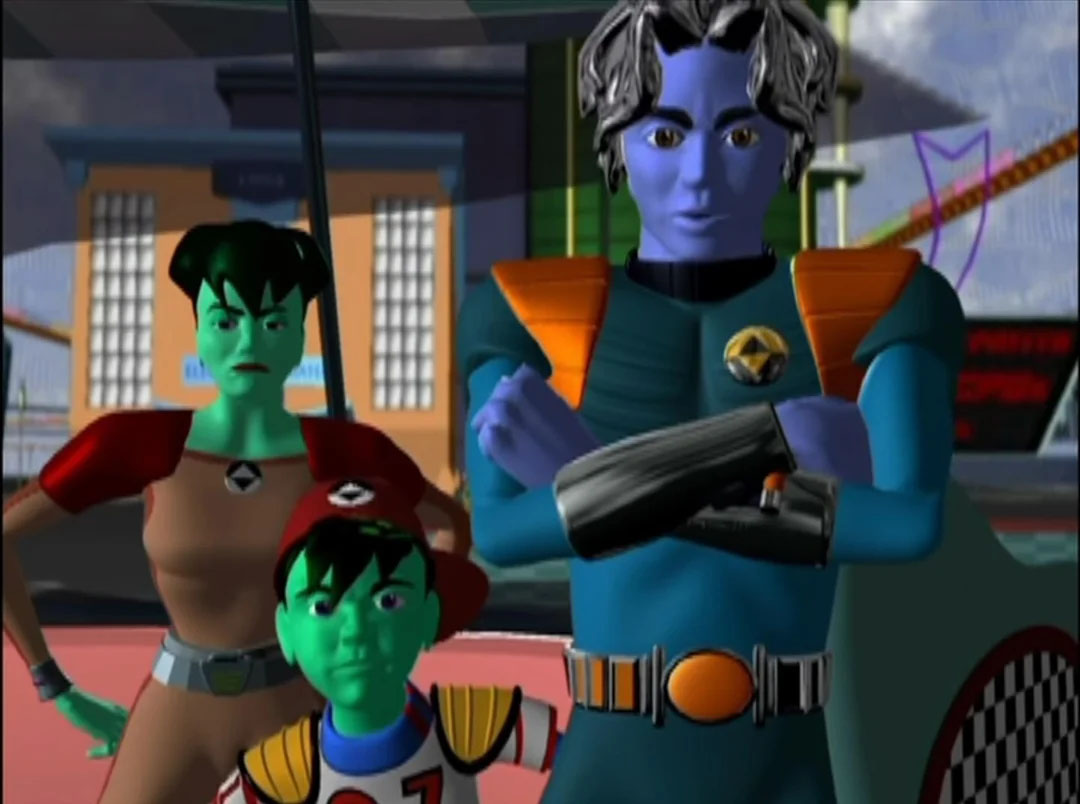
Why it deserves to be here: One of animation’s earliest serialized epics ended just as its heroes finally made it home.
ReBoot began as a lighthearted adventure inside the computer system of Mainframe, but by its later seasons it had evolved into an ambitious serialized science fiction saga. Bob, Dot, Enzo, and their allies faced increasingly complex threats, culminating in the multi-part storyline that sent Bob and the now-grown Matrix on separate journeys before finally reuniting.
The fourth season ended with “Crouching Binome, Hidden Virus,” in which Bob and Matrix finally returned to Mainframe after years apart. Rather than celebrating their reunion, they discovered the system under attack by a new enemy known as the Daemon. The final moments set up an entirely new conflict, making it clear that another season was expected to continue the story.
It never happened. Production ended after Season 4, leaving the Daemon storyline unresolved and fans wondering how Bob and his friends would face their greatest challenge yet.
Unlike many shows on this list, ReBoot eventually received additional stories through comic books and, years later, the controversial live-action/CG hybrid series ReBoot: The Guardian Code. Neither, however, served as the direct continuation many longtime fans had hoped for, and the original series’ cliffhanger remains unresolved in animated form.
ReBoot spent four seasons building toward its heroes’ long-awaited return home. Just as they arrived, the real battle was about to begin—and viewers never got to see it.
Where to watch: Available to stream; sold on physical media and digitally.
Dark Angel (2000–2002)
Why it deserves to be here: The series ended just as its world was becoming dramatically larger.
For two seasons, Dark Angel followed Max Guevara, a genetically enhanced soldier who escaped from the secret government facility known as Manticore. While the first season focused on Max staying one step ahead of her creators, the second expanded the mythology by introducing transgenics living in secret throughout post-apocalyptic Seattle.
The series finale, “Freak Nation,” was never intended to conclude the story. Max and the other transgenics revealed themselves to the world after Manticore’s existence became public knowledge. Instead of ending the conflict, the episode created an entirely new one, with humanity suddenly forced to confront the existence of genetically engineered people living among them.
Fox canceled the series shortly after the finale aired, leaving viewers without answers to the biggest questions the show had raised. Would humans and transgenics coexist peacefully? Could Max ever truly live a normal life? And what would become of the hundreds of escaped Manticore creations now exposed to the world?
Creators James Cameron and Charles H. Eglee later approved a pair of novels, Before the Dawn and After the Dark, which continued Max’s story and resolved many of the lingering plot threads. While those books provided valuable closure, they reached only a fraction of the television audience that had followed the series.
Dark Angel didn’t end with its central conflict resolved. It ended just as the consequences of everything that came before were beginning, leaving fans to imagine the larger story that television never got the chance to tell.
Where to watch: Available to stream; sold on physical media and digitally.
Profiler (1996–2000)
Why it deserves to be here: NBC canceled the series just as its longest-running storyline reached its breaking point.
For four seasons, Profiler followed forensic psychologist Dr. Samantha “Sam” Waters as she used her extraordinary ability to think like violent criminals to solve some of the FBI’s most difficult cases. Running alongside the weekly investigations was a much larger story involving the mysterious serial killer known as Jack of All Trades, whose obsession with Sam shaped much of the series.
By the fourth-season finale, “All in the Family,” the series had dramatically expanded its mythology. Sam uncovered shocking truths about her own past, major revelations emerged about the people closest to her, and several character arcs were left poised for another season. Rather than resolving the show’s central conflicts, the finale clearly established a new direction for the series.
That direction was never explored. NBC canceled Profiler in 2000, leaving viewers without the next chapter the writers had obviously planned. While the immediate case of the week reached a conclusion, the larger personal stories surrounding Sam, her family, and the lingering consequences of previous events remained unfinished.
Unlike several other series on this list, Profiler never received a reunion movie, revival season, or official continuation to wrap up its remaining storylines. Once the series ended, its unresolved character arcs simply became part of television history.
Profiler had spent years convincing viewers that every answer uncovered another mystery. Unfortunately, the series was canceled before it could reveal where those mysteries were ultimately leading.
Where to watch: Available to stream; sold on physical media and digitally.
Invasion (2005–2006)
Why it deserves to be here: ABC canceled the series just as its slow-burning mystery finally revealed the true scope of the invasion.
Unlike many alien invasion stories, Invasion took its time. Set in the aftermath of a devastating hurricane, the series slowly introduced the unsettling idea that something not quite human had arrived in a small Florida town. Week after week, the mystery deepened as more residents appeared to have been replaced by emotionless duplicates with an unknown agenda.
The first-season finale, “The Last Wave Goodbye,” dramatically expanded the story. Russell discovered that the phenomenon extended far beyond his hometown, revealing that identical events had occurred around the globe. Rather than exposing a local conspiracy, the finale made it clear humanity was facing a worldwide invasion that had only just begun.
ABC canceled the series before a second season could explore that larger conflict. Viewers never learned who—or what—the invaders truly were, what they ultimately wanted, or whether humanity had any realistic chance of stopping them.
Creator Shaun Cassidy has spoken over the years about plans for future seasons that would have expanded the mythology well beyond the Florida setting. Those ideas never progressed beyond the planning stage, leaving the series permanently frozen at the moment its biggest revelation arrived.
Invasion spent an entire season asking viewers to be patient while it built toward something much larger. Just as it finally showed the scope of that larger story, the series disappeared.
Where to watch: Available to stream; sold on physical media and digitally.
Nowhere Man (1995–1996)
Why it deserves to be here: One of television’s smartest conspiracy thrillers disappeared before revealing the truth behind its central mystery.
Nowhere Man began with one of the great paranoia-driven premises of the 1990s. Photojournalist Thomas Veil returned from vacation to discover that every trace of his former life had vanished. His wife no longer recognized him, his friends insisted they had never met him, and even photographs proving his identity had been altered. Forced to go on the run, Veil became obsessed with uncovering the shadowy organization responsible for erasing his existence.
Throughout its lone season, the series slowly peeled back the layers of the conspiracy while introducing new questions about the mysterious group behind Veil’s predicament. The finale, “Gemini,” finally revealed the organization’s name—The Hidden Agenda—and hinted at its enormous influence, but it stopped well short of explaining its ultimate purpose or how Veil could expose it.
UPN canceled the series before a second season could continue the story. Viewers never learned the full truth behind The Hidden Agenda, why Thomas Veil had been targeted, or how his fight against the conspiracy was supposed to end.
Unlike many cult television series, Nowhere Man never received a revival, television movie, or official continuation. The mystery that drove all 25 episodes remains exactly where it ended in 1996.
For fans of serialized conspiracy dramas, Nowhere Man remains one of television’s biggest unfinished puzzles. After spending an entire season asking “Who erased Thomas Veil?” the series was canceled before it could answer the even bigger question: “Why?”
Where to watch: Available to stream; sold on physical media and digitally.
Brimstone (1998–1999)
Why it deserves to be here: The devil’s bargain was only getting started when Fox pulled the plug.
Brimstone followed Ezekiel “Zeke” Stone, a dead police detective given an unusual second chance. The Devil returned him to Earth with one mission: capture 113 damned souls who had escaped from Hell. If Zeke succeeded, he would earn redemption. If he failed, he would return to eternal damnation.
During its lone season, the series gradually shifted from its “escaped soul of the week” format toward a larger mythology involving Zeke’s relationship with the Devil and the true purpose behind his mission. The season finale, “Started,” suggested that far more was happening than either Zeke or the audience understood, setting the stage for revelations that were clearly intended to unfold over future seasons.
Fox canceled Brimstone after just 13 episodes had aired, despite having produced a full 22-episode season. The remaining episodes eventually aired overseas and later in syndication, but they were never designed to conclude the series. Instead, they continued expanding the mythology while leaving the biggest questions unanswered.
Series creator Ethan Reiff has since explained that the escaped souls were only one part of a much larger story, with future seasons intended to explore the Devil’s true motives, Zeke’s ultimate fate, and the possibility that the mission itself wasn’t what it appeared to be.
Brimstone promised viewers that every captured soul brought Zeke one step closer to the truth. Unfortunately, the series ended long before either he—or the audience—could discover what that truth really was.
Where to watch: Available to stream.
Odyssey 5 (2002–2003)
Why it deserves to be here: Showtime canceled the series just as its time-travel mystery was becoming even more ambitious.
Odyssey 5 opened with one of science fiction television’s most intriguing premises. After witnessing the destruction of Earth from space, five astronauts were sent five years into the past by a mysterious cosmic being known as The Seeker. Their mission was simple in theory but nearly impossible in practice: discover what caused humanity’s extinction and prevent it from ever happening.
Throughout its lone season, the team uncovered layers of conspiracy involving artificial intelligence, corporate corruption, alien influences, and the increasingly unsettling realization that changing the timeline carried consequences of its own. Rather than narrowing the mystery, each answer revealed an even larger threat waiting beneath the surface.
The season finale, “Follow the Leader,” ended with the heroes closer than ever to understanding the forces working against them, while making it clear their mission was only beginning. Creator Manny Coto had envisioned multiple seasons exploring the changing timeline and the true identity of those manipulating Earth’s future.
That story never continued. Showtime canceled Odyssey 5 after one season, leaving viewers without answers to the series’ biggest mysteries or any resolution to humanity’s fight for survival. Unlike many cult science fiction series, it never received a continuation in another format.
Odyssey 5 asked one irresistible question: if you knew exactly when the world would end, could you stop it? Sadly, the series was canceled before it had the chance to find out.
Where to watch: Available to stream.
John Doe (2002–2003)
Why it deserves to be here: Fox canceled the series before revealing the answer to the one question every viewer wanted answered.
John Doe began with an irresistible mystery. A man awoke on a deserted island with no memory of who he was, yet possessed seemingly unlimited knowledge about nearly every subject imaginable. He knew countless facts about the world but couldn’t answer the most important question of all: his own identity.
Throughout its lone season, John worked with the Seattle Police Department while searching for clues about his past. Along the way, the series introduced the shadowy Phoenix Organization, hinting that John’s extraordinary abilities and missing memories were connected to a much larger conspiracy. Each revelation suggested the truth was finally within reach.
The season finale, “Shock to the System,” delivered the biggest twist yet when John finally learned who had betrayed him. The episode revealed that his close friend Digger was secretly working for the Phoenix Organization, a cliffhanger that was clearly intended to launch a second season and begin answering the show’s central mystery.
Instead, Fox canceled John Doe after just one season. Although creator Brandon Camp later revealed that John had been intended as part of an experiment involving human potential and destiny, those ideas never reached the screen, leaving viewers without the payoff the series had spent 21 episodes building toward.
Few television mysteries have ended so abruptly. After an entire season asking “Who is John Doe?” the audience was left with the same answer John himself had at the beginning: they still didn’t know.
Where to watch: Available to stream.
V (2009–2011)
Why it deserves to be here: The resistance had finally learned the Visitors’ true plan when ABC ended the invasion.
ABC’s reimagining of V slowly transformed from a mystery about seemingly benevolent extraterrestrials into a full-scale resistance drama. As humanity uncovered the Visitors’ real intentions, Erica Evans, Father Jack, Ryan Nichols, and the Fifth Column found themselves fighting a secret war against Anna and her growing influence over Earth.
The second-season finale, “Mother’s Day,” dramatically changed the stakes. Anna unleashed the mysterious Red Sky over the planet, a development with enormous implications for humanity’s survival. At the same time, a new alien faction arrived, revealing that the conflict extended far beyond Earth’s resistance movement. Rather than bringing the invasion to a conclusion, the episode introduced an even larger war that was only beginning.
ABC canceled V just days later, ending the series before viewers could learn the purpose of the Red Sky, the role of the newly arrived aliens, or whether humanity could ultimately defeat the Visitors.
Unlike the original 1980s miniseries, which reached a conclusion with V: The Final Battle, the reboot never received a follow-up movie, revival, or official continuation. The story simply ended with humanity facing its greatest threat yet.
After two seasons of building toward the real invasion, V left fans at the exact moment the war was becoming bigger than anyone had imagined.
Where to watch: Available to stream; sold on physical media and digitally.
The Event (2010–2011)
Why it deserves to be here: NBC canceled the series just as its biggest mystery finally became an even bigger one.
The Event spent its first season weaving together multiple timelines, government conspiracies, and the revelation that a group of extraterrestrials had been secretly imprisoned on Earth for decades. As Sean Walker searched for his missing fiancée, he gradually uncovered a story that threatened the future of the entire planet.
The season finale, “Arrival,” appeared to resolve the immediate conflict by stopping Sophia’s plan to transport her people home. Instead, the attempt had an unintended consequence. Rather than returning the aliens to their own world, it brought their home planet to Earth, where it suddenly appeared in the sky, setting the stage for an entirely new phase of the story.
It was exactly the kind of finale designed to launch a second season. Humanity had survived one crisis only to face a much larger one, with countless questions suddenly replacing the answers viewers had just received.
Unfortunately, NBC canceled The Event shortly after the finale aired. The creative team had planned to explore humanity’s first direct contact with the aliens’ civilization and the global consequences of an entire planet suddenly appearing within Earth’s view, but those stories were never produced.
The series spent 22 episodes building toward its titular event. In the end, viewers finally witnessed it—only to discover it was merely the beginning of a story television never got the chance to tell.
Where to watch: Available to stream; sold on physical media and digitally.
Kyle XY (2006–2009)

Why it deserves to be here: ABC Family ended the series just as Kyle finally began uncovering the truth about who he really was.
From its very first episode, Kyle XY revolved around one enormous mystery. A teenage boy awakens naked in the woods with no memories, no belly button, and abilities that clearly set him apart from everyone around him. As the Trager family took Kyle in, the series gradually revealed that he was connected to a secret research program with far-reaching consequences.
By the third-season finale, “Bringing Down the House,” many pieces of Kyle’s past had finally fallen into place, but the story was clearly accelerating rather than concluding. Amanda’s apparent death, Jessi’s uncertain future, Latnok’s true agenda, and Kyle’s ultimate purpose all pointed toward a fourth season that would answer the questions the series had been building for three years.
That season never happened. ABC Family canceled Kyle XY in 2009, leaving fans with a finale that resolved very little while introducing several major new developments. The show’s central mystery—why Kyle had been created and what he was ultimately meant to become—remained incomplete.
Series creator Eric Bress later shared portions of the planned continuation, including where Kyle’s story was headed and how the mythology would have concluded. While those revelations offered some comfort to longtime fans, they couldn’t replace seeing the story play out on screen.
Kyle XY spent three seasons asking viewers who Kyle really was. Just as it seemed ready to deliver the full answer, the series came to an abrupt end.
Where to watch: Available to stream; sold on physical media and digitally.
The 4400 (2004–2007)
Why it deserves to be here: Just as the series transformed into an all-out conflict, USA Network ended the story.
The 4400 began with a fascinating premise: 4,400 people who had vanished over several decades suddenly returned to Earth at the same moment, none having aged and many possessing extraordinary abilities. As the series progressed, what started as a mystery evolved into a story about fear, politics, evolution, and whether humanity was prepared for what came next.
The fourth-season finale, “The Great Leap Forward,” dramatically changed the status quo. Jordan Collier unveiled Promicin Plus, allowing ordinary people to develop the same extraordinary abilities as the Returned—but at a deadly cost for many who attempted it. The world stood on the brink of a new evolutionary era, with governments, corporations, and the 4400 themselves divided over what humanity’s future should look like.
Rather than resolving the central conflict, the finale positioned the series for its biggest storyline yet. A fifth season would have explored a society forever changed by widespread supernatural abilities and the consequences of Collier’s gamble.
That season never came. USA Network canceled The 4400 after four seasons, leaving viewers without a television conclusion to the escalating conflict. The story was eventually continued in a pair of novels, Welcome to Promise City and The Vesuvius Prophecy, but like many continuation books, they reached only a fraction of the show’s audience.
The 4400 spent four years asking how humanity would respond to extraordinary people. Ironically, it ended just as ordinary people were about to become extraordinary themselves.
Where to watch: Available to stream; sold on physical media and digitally.
Fun Jug Media, LLC (operating TheNerdy.com) has affiliate partnerships with various companies. These do not at any time have any influence on the editorial content of The Nerdy. Fun Jug Media LLC may earn a commission from these links.