Kids enjoy games. They stay engaged when those games have structure. A simple tournament turns random play into something that builds momentum across an entire session. It only works if the format is clear and the rounds move quickly. Here is how to run one that holds together.
Pick the Right Type of Game
Not every game works in a tournament format.
Use games that:
- Finish quickly
- Have a clear winner each round
- Can restart without setup
How to Play Four Square works because players rotate constantly. How to Play Pig works because rounds are short and scoring is simple.
Avoid games that drag or require long explanations.
Choose One Format and Stick to It
Do not mix formats. Pick one structure and run it cleanly.
Use one of these:
- Single elimination: Lose once and you are out
- Round robin: Everyone plays a set number of rounds
- King of the court: Winner stays in, others rotate
For most groups, king of the court works best because it keeps everyone involved.
Set the Round Length Before You Start
Do not let rounds run until they naturally end.
Decide in advance:
- Time limit per round
- Score target if applicable
Examples:
- Four Square: first mistake or 60 seconds
- Pig: first to 20 points or three turns each
When time is up, stop the round and record the result.
Keep Score in One Visible Place
Do not track results in your head.
Use:
- A whiteboard
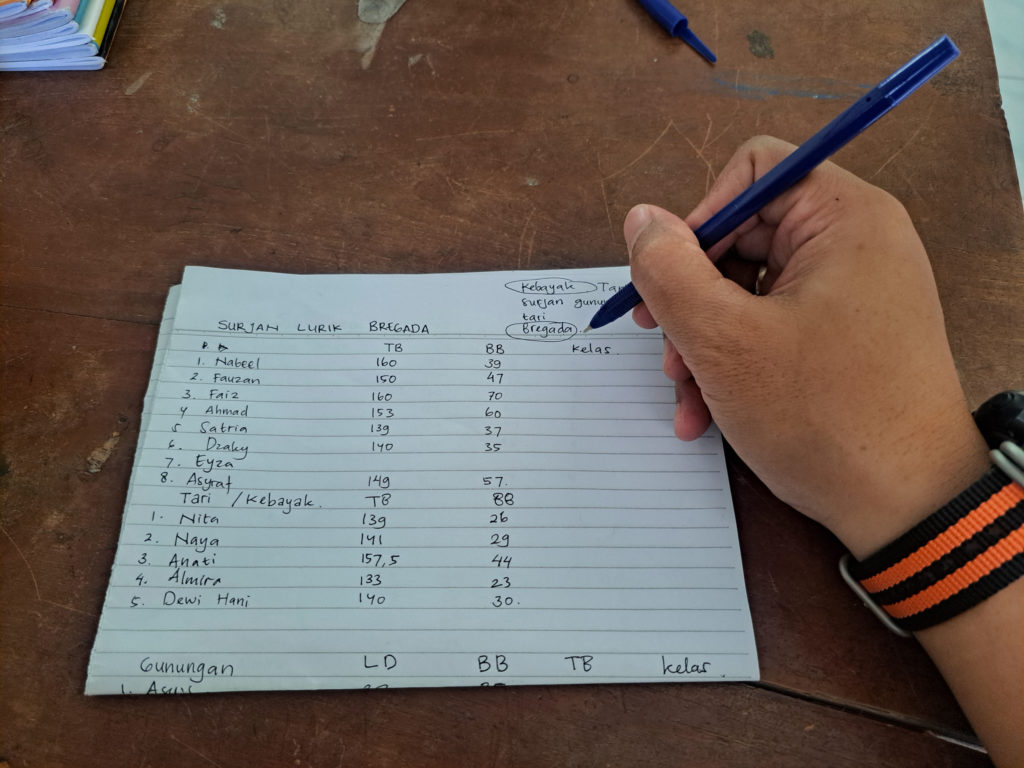
- A sheet of paper visible to everyone
Update scores immediately after each round. If players cannot see progress, they lose interest.
Control Transitions Between Rounds
Do not allow gaps between rounds.
- Call the next matchup before the current one ends
- Move players into position immediately
- Start the next round without discussion
If there is a pause longer than a minute, the structure starts to break.
iStockphoto/DittaAlfianto
Limit the Total Length of the Tournament
Do not try to crown a perfect champion.
Set a fixed end point:
- 30 to 45 minutes total
- A set number of rounds
When you hit that point, stop and declare a winner based on results.
Handle Different Skill Levels Without Slowing the Game
Do not try to rebalance every matchup.
Instead:
- Rotate players frequently
- Use short rounds so losses do not linger
- Avoid long head-to-head matchups
Fast rotation keeps weaker players engaged without changing the structure.
End the Tournament Cleanly
Do not extend the tournament with extra rounds.
- Finish the final scheduled round
- Record the standings
- Announce the winner and stop
Dragging the ending weakens the entire structure.
Best Age Range
This format works best for ages 7 through 13. Younger kids can participate with shorter rounds and simpler scoring.
Common Mistakes to Avoid
- Letting rounds run too long
- Changing formats mid-tournament
- Failing to track scores clearly
- Allowing gaps between rounds
- Trying to make every matchup perfectly fair
Final Thoughts
A simple tournament works when it moves quickly and follows a clear structure. Pick the right game, set limits before starting, and keep everything visible and moving. Once the format is in place, the competition takes care of the rest.
Image Suggestions
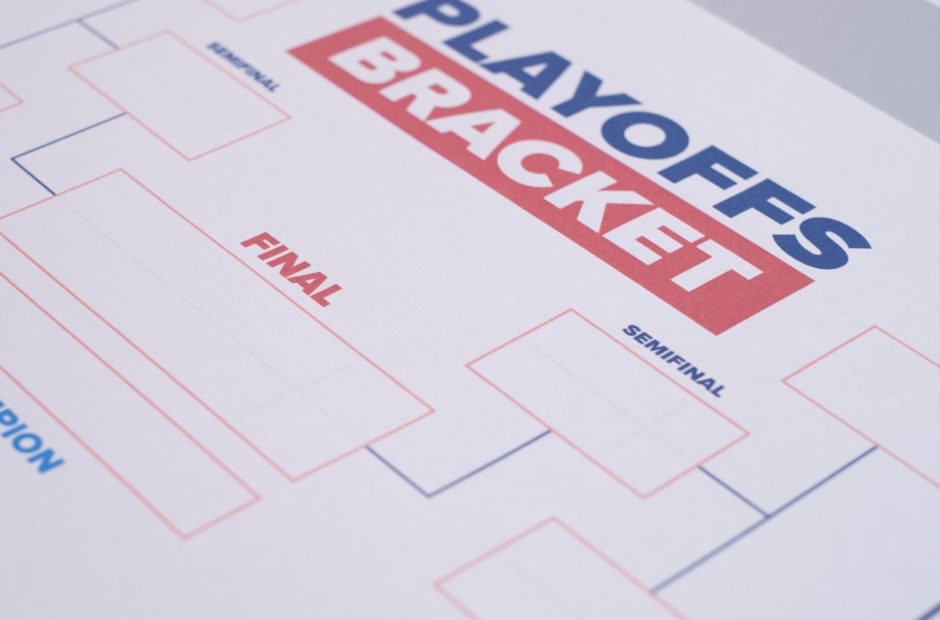
- Whiteboard with tournament bracket drawn (alt text: “Simple tournament bracket for kids games”)
- Players rotating through a small game setup (alt text: “Kids rotating through rounds in a game tournament”)
- Score sheet with names and points (alt text: “Score tracking for kids game tournament”)
- Marked play area for a simple game (alt text: “Game area set up for tournament play”)
- Notebook showing round results (alt text: “Recording results during a kids tournament”)