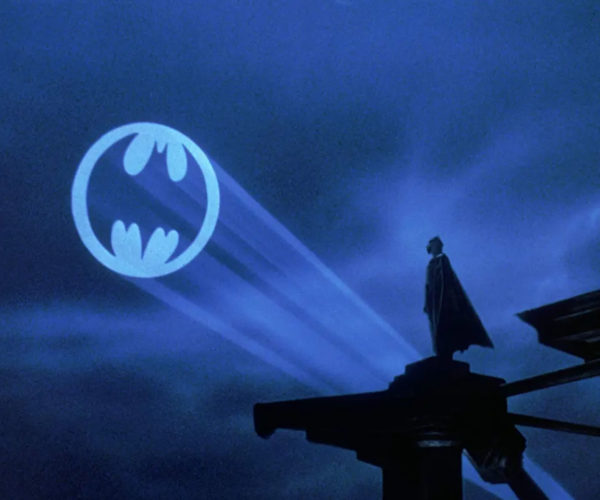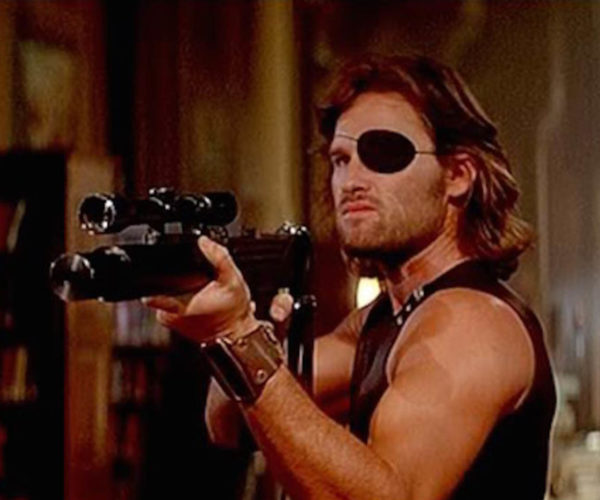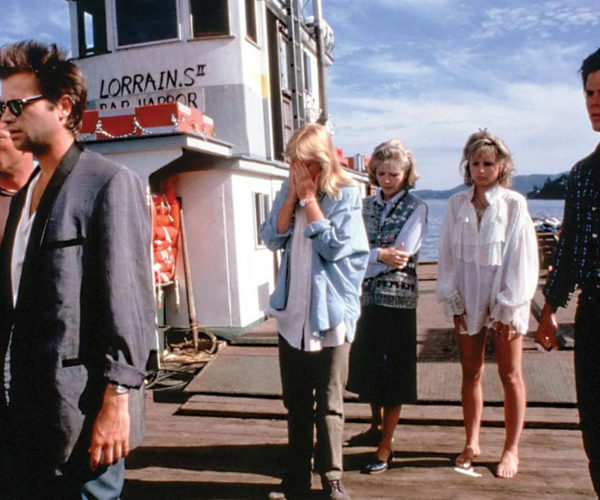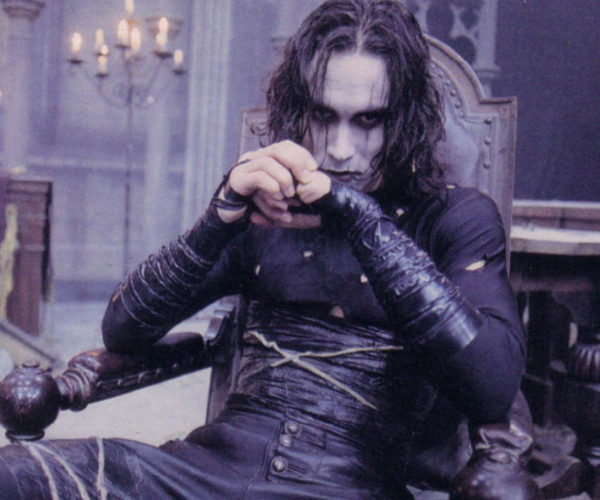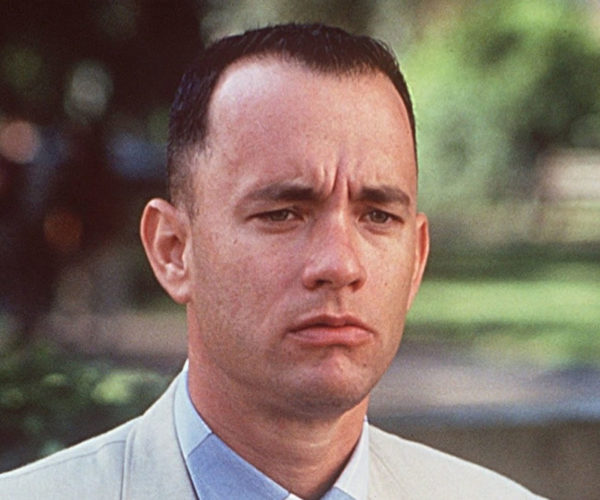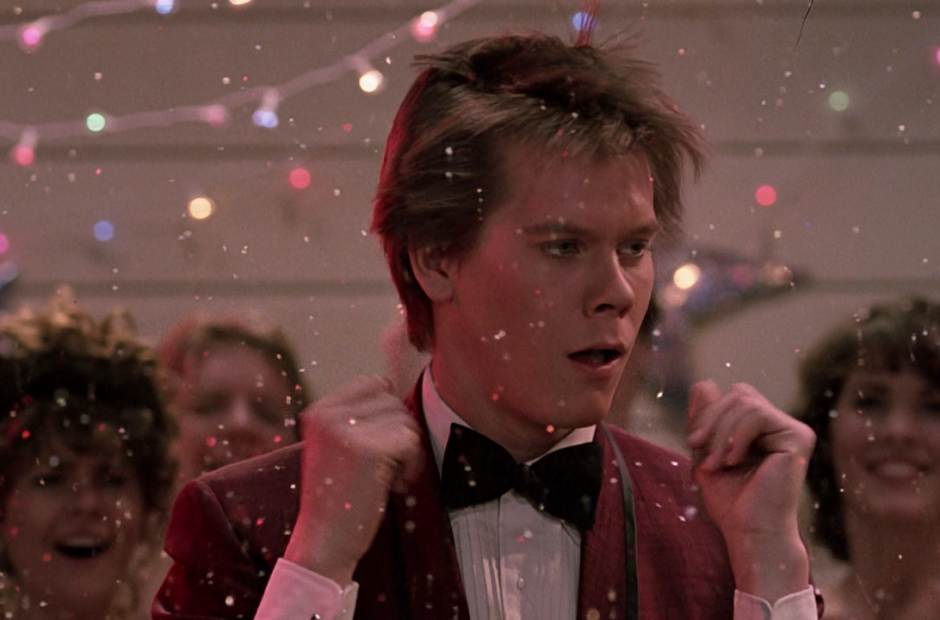
For a long time, movie soundtracks were not merely companion pieces. They were cultural events in their own right. A successful film could launch hit singles, define a season on the radio, and introduce audiences to artists they would follow for years.
Music and movies fed each other in a way that felt natural and unavoidable. You didn’t just remember a film by its scenes. You remembered it by a song, a theme, or a chorus that stayed with you long after the credits rolled.
When Soundtracks Were Part of the Experience
In the 1970s, 80s, and 90s, soundtracks were treated as extensions of the films themselves. Studios understood that music could sell mood, identity, and memory. A great soundtrack didn’t just support a movie. It amplified it.
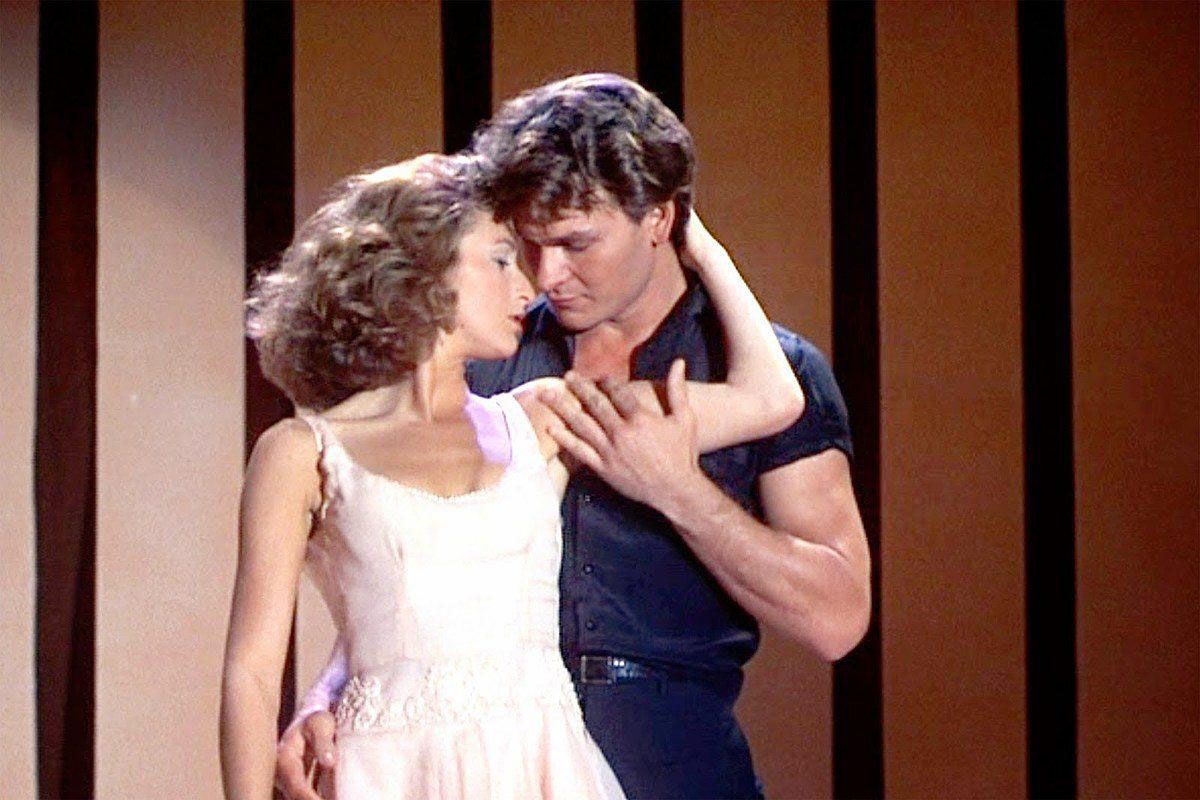
Albums tied to films like Saturday Night Fever, Top Gun, Footloose, and Dirty Dancing didn’t feel like merchandise. They felt essential. Owning the soundtrack meant taking a piece of the movie home with you.
Listening to those albums was a way of rewatching the film without the screen.
The Power of the Needle Drop
Well-chosen songs once carried enormous narrative weight. A single needle drop could define a character, signal emotional change, or lock a scene into cultural memory.
Because music distribution was limited, films often served as discovery engines. Soundtracks introduced audiences to new artists and reframed familiar songs in powerful ways.
When a song hit at the right moment, it felt inseparable from the image. The two became fused.
Why Soundtracks Sold So Well
Physical media played a major role. Soundtracks were tangible objects. CDs and cassettes sat next to movie posters, ticket stubs, and VHS tapes as part of a shared media ecosystem.
Radio and MTV reinforced the connection. Songs from soundtracks dominated airwaves and video rotations, turning films into a constant background presence even for people who hadn’t seen them yet.
The line between film promotion and music culture was blurred, and everyone benefited.
What Changed
As music consumption shifted toward digital singles and streaming, the soundtrack album lost its central role. Films no longer needed a cohesive musical identity to reach audiences.
Licensing costs rose, marketing strategies changed, and the idea of a unified soundtrack became harder to justify. Music supervision remained important, but the album itself became optional.
At the same time, music discovery moved elsewhere. Films no longer carried the same responsibility for introducing new sounds.
What We Lost Along the Way
The decline of soundtrack culture weakened a powerful emotional shortcut. Without a shared musical reference point, films became harder to recall as complete sensory experiences.
Music still matters in movies, but it is often consumed scene by scene rather than as a lasting collection. The soundtrack became background rather than a centerpiece.
What faded was the idea that a movie could shape how a year sounded.
Why Soundtracks Still Matter
When a film successfully integrates music today, as happened with Sinners, audiences still respond. A great song choice can spark rediscovery and conversation, even if it no longer leads to a best-selling album.
The connection between music and memory remains powerful. Soundtracks mattered because they gave movies an afterlife beyond the theater.
That influence may be quieter now, but its legacy is unmistakable.
Fun Jug Media, LLC (operating TheNerdy.com) has affiliate partnerships with various companies. These do not at any time have any influence on the editorial content of The Nerdy. Fun Jug Media LLC may earn a commission from these links.
Image Suggestions
- Featured image: A collage of classic soundtrack album covers alongside film stills.
Alt text: “Classic movie soundtracks and film scenes from the 1970s through 1990s.” - Record store soundtrack section.
Alt: “Record store section filled with movie soundtrack albums.” - Iconic needle drop scene still.
Alt: “Movie scene associated with a memorable soundtrack song.” - Stack of CDs and cassettes labeled with movie titles.
Alt: “Physical movie soundtrack albums on CD and cassette.”