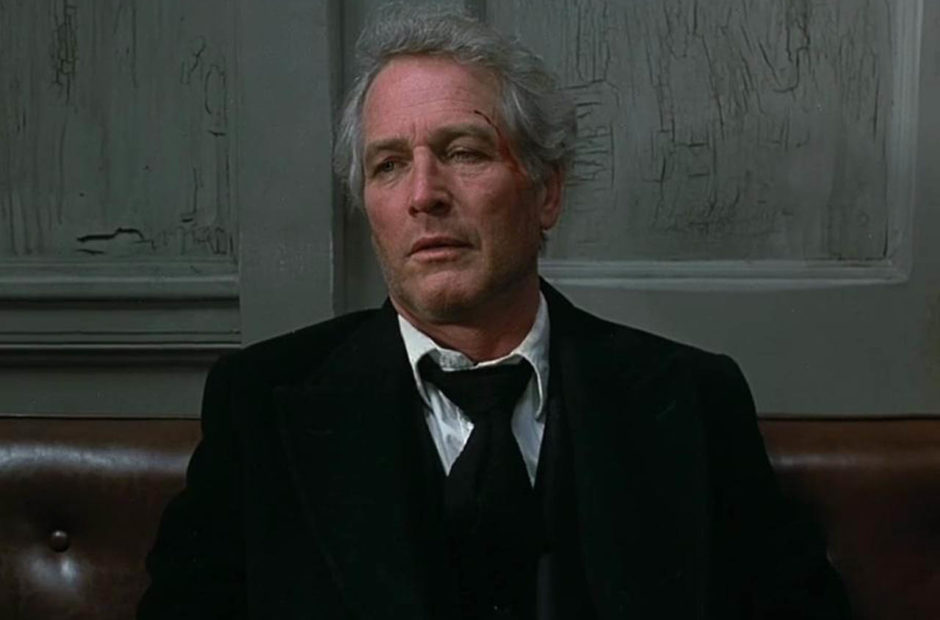
For decades, Hollywood was built around a simple but reliable idea. Not every movie needed to be a spectacle. Some films existed to tell grounded stories about adult lives, adult problems, and adult emotions. They were not cheap, but they were not blockbusters either. These were the mid-budget adult dramas, and for a long time, they were the backbone of the industry.
Somewhere along the way, they all but disappeared from theaters. What replaced them was louder, bigger, and often younger. The question is not whether these films were successful. It is why Hollywood stopped making them at all.
The Era When Adult Stories Were the Norm
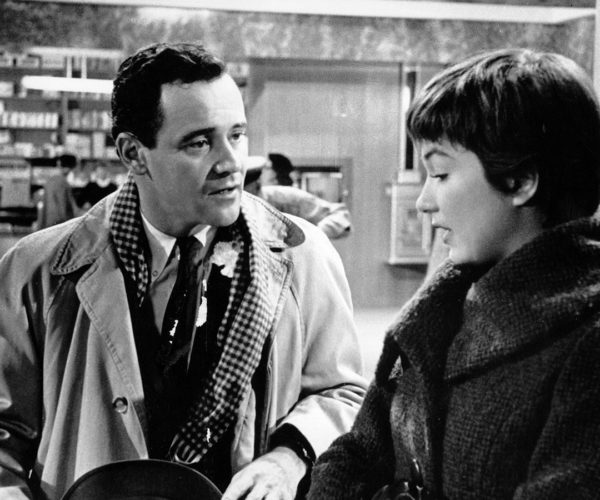
From the 1970s through the 1990s, studios regularly released films aimed squarely at grown-ups. Movies like Kramer vs. Kramer, Ordinary People, The Verdict, and Terms of Endearment were prestige pictures, but they were also accessible to general audiences. They played in multiplexes, not just art houses.
These films lived in a comfortable financial space. Budgets were large enough to attract major stars and skilled craftspeople, but modest enough that profitability did not require global franchise numbers. A strong domestic box office, solid reviews, and long theatrical legs were often enough.
Most importantly, these stories trusted audiences to engage with complexity. Characters made bad decisions. Relationships fractured. Endings were not always triumphant. These movies reflected adult life as something messy and unresolved.

Why the Model Worked
The mid-budget adult drama thrived because it fit the studio system perfectly. Stars needed vehicles that showcased range rather than spectacle. Directors could develop distinct voices. Writers were allowed to focus on character instead of set pieces.
Audiences responded because these films felt relevant. Divorce, grief, ambition, moral compromise, and generational conflict were not niche subjects. They were universal experiences. Seeing them treated seriously on the big screen created a sense that movies were still speaking directly to everyday life.
There was also a cultural expectation that adults went to the movies. Date nights, weekend matinees, and awards-season buzz all helped keep these films visible and profitable.
What Changed in Hollywood
The decline of the mid-budget adult drama was gradual, not sudden. As blockbuster economics took over, studios began chasing certainty. Big budgets demanded global appeal, and adult dramas rarely traveled as well internationally as action-heavy franchises.
At the same time, home entertainment options expanded. Cable television, and later streaming, offered long-form storytelling that could explore adult themes in greater depth. Viewers who once sought serious drama in theaters found it on television instead.
Studios also became more risk-averse. A mid-budget drama that underperformed could no longer be offset by home video sales in the same way. The financial cushion that once protected these films slowly vanished.
By the 2010s, the space these movies once occupied had collapsed. Theatrical releases skewed younger and louder, while adult-oriented storytelling migrated almost entirely off the big screen.
Where Adult Drama Went Instead
Adult dramas did not disappear. They relocated. Prestige television embraced character-driven storytelling, allowing creators to explore themes over multiple episodes instead of two hours. Streaming platforms positioned themselves as the new home for serious, awards-focused films.
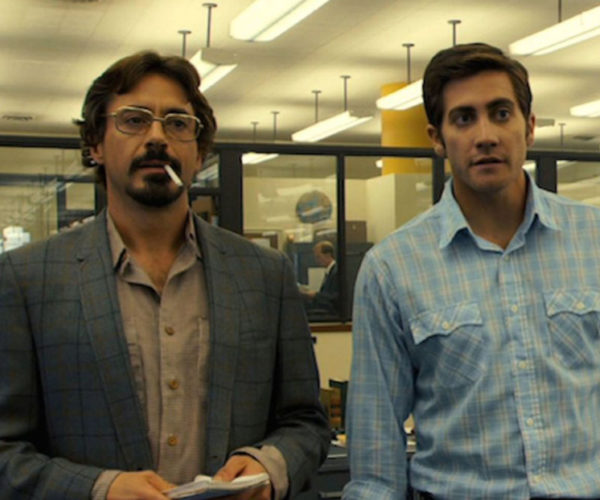
Occasionally, a theatrical adult drama still breaks through, but it is treated as an exception rather than a staple. These films often arrive with awards-season positioning rather than broad marketing campaigns, reinforcing the idea that adult drama is now a niche rather than a norm.
Why the Loss Still Matters
The disappearance of the mid-budget adult drama represents more than a genre shift. It marks a change in how Hollywood views its audience. When studios stopped prioritizing these films, they implicitly decided that adults were no longer a core theatrical demographic.
What was lost was a shared cultural space where serious stories played alongside popcorn entertainment. Movies no longer serve as a regular forum for adult reflection in the way they once did.
The absence of these films is felt not just in theaters, but in how we talk about cinema itself. When adult drama becomes rare, so does the expectation that movies should engage with everyday life.
Can the Mid-Budget Adult Drama Come Back?
The mid-budget adult drama could return, but only if the industry recalibrates what success looks like. As theaters seek to broaden their appeal beyond franchise fans, there may once again be room for films that prioritize character over spectacle.
For now, these movies exist mostly as memories of a time when Hollywood believed serious, adult storytelling belonged at the center of the cinematic experience.
Fun Jug Media, LLC (operating TheNerdy.com) has affiliate partnerships with various companies. These do not at any time have any influence on the editorial content of The Nerdy. Fun Jug Media LLC may earn a commission from these links.