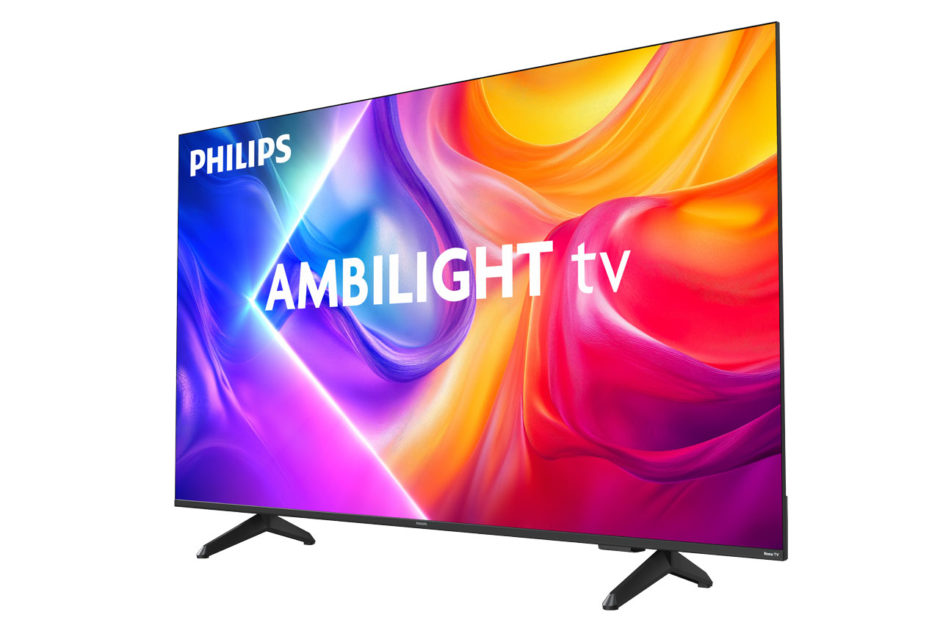
Roku isn’t slowing down its hardware rollout this year. Just weeks after announcing its first-ever Roku TV smart projector, the Aurzen D1R Cube, the company is back with another splashy debut. This time, it’s teaming with Philips to bring Ambilight — the LED backlighting technology that reacts in real time to what’s on screen — to the U.S. market through the new Philips Roku TV line.
Advertisement
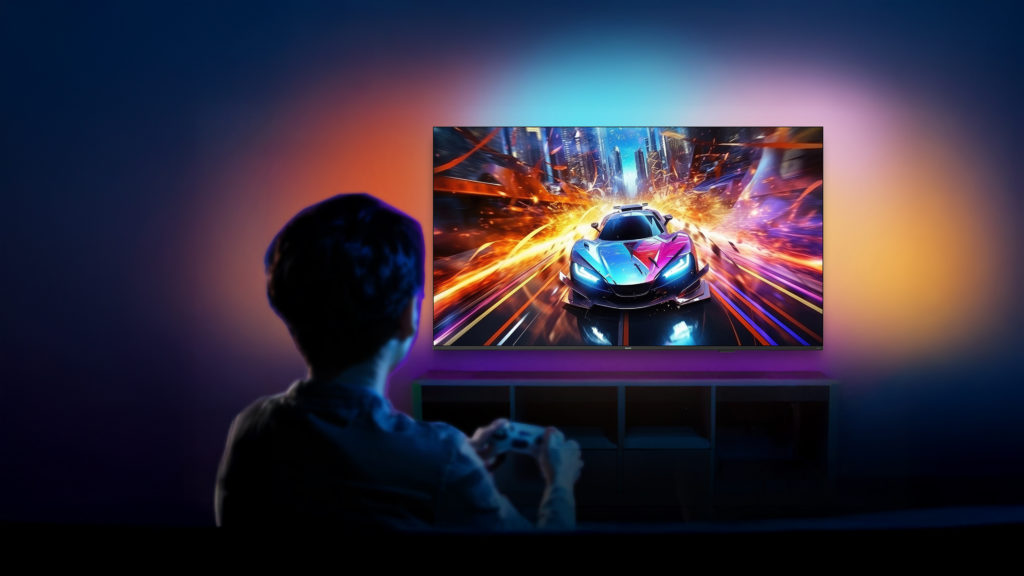
For anyone who hasn’t seen Ambilight in action, the pitch is simple: LEDs on the back of the TV project colors onto your wall that sync with what you’re watching. A touchdown pass floods your living room in green, a concert pulses with stage lights, and a quiet movie scene glows with a warm after-sunset haze. It’s a neat trick designed to make the picture feel bigger and, maybe just as important, easier on the eyes.
The new lineup comes in 43-, 50-, 55-, and 65-inch models and runs Roku OS, which means users get all the familiar perks: thousands of streaming channels, Roku Originals, 500-plus live TV options, and integration with Roku Smart Home. The sets support 4K UHD with HDR10, Roku Smart Picture, and seamless pairing with Roku’s wireless soundbars and speakers. Apple fans aren’t left out either — AirPlay support is built in.
Roku is positioning this as another way to keep its TV platform competitive in a crowded streaming hardware market. The projector announcement earlier this year showed Roku wants to move beyond just the flat panel. Now, with Philips, the company can also say it’s offering something visually distinctive in the TV aisle. Instead of fighting on specs alone, it’s leaning into “delight,” a word Roku execs keep repeating when describing these products.
Whether Ambilight becomes a major selling point in the U.S. is still an open question, but it fits neatly into Roku’s broader 2025 hardware push. With the projector aimed at portability and Ambilight TVs focused on immersive living room experiences, Roku is making it clear it wants to be part of more entertainment setups — and not just the stick you plug into HDMI port number three.