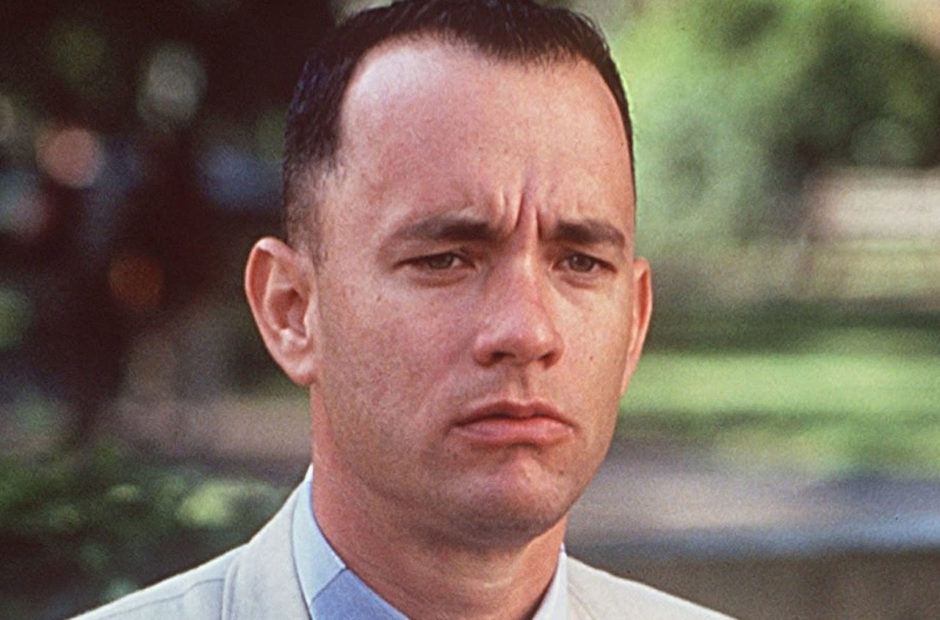
There was a time when movie stars were more than just performers attached to projects. They were a form of trust. Audiences did not just buy tickets to movies, they bought tickets to people. Seeing a familiar name above the title carried an implicit promise about tone, quality, and experience.
This was not about celebrity gossip or personal branding. It was about familiarity. Stars served as a shorthand between studios and audiences, a shared language that made choosing a movie feel less like a gamble.
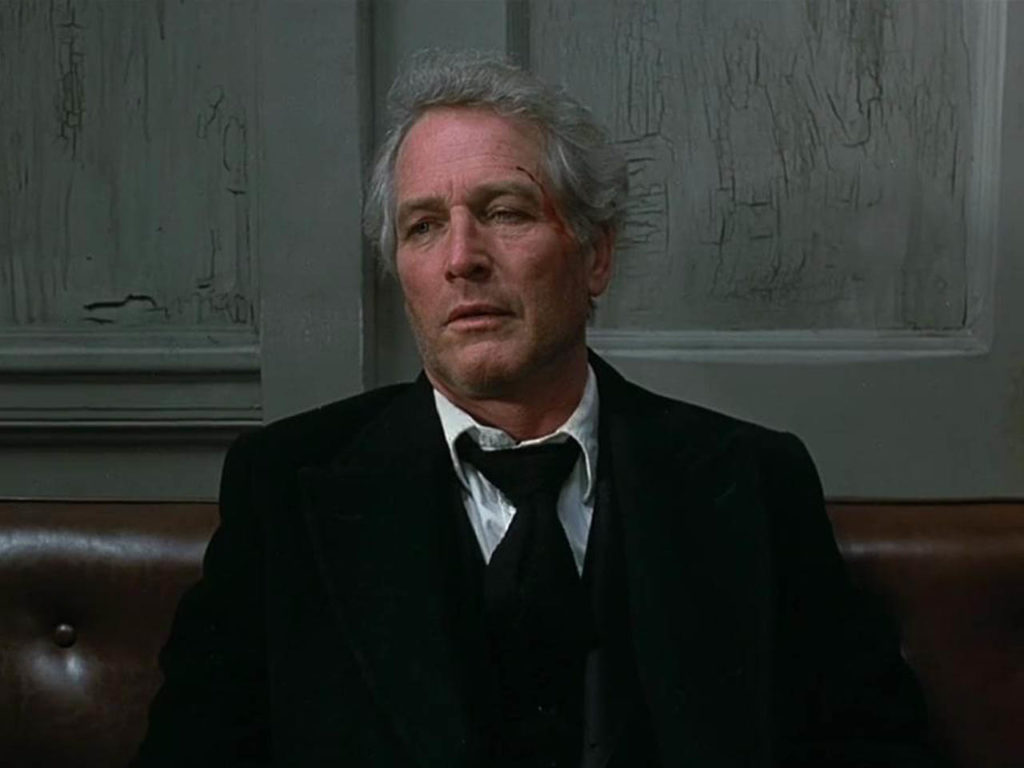
When Stars Were the Selling Point
For much of Hollywood’s history, the star system was central to how films were made and marketed. Actors like Paul Newman, Julia Roberts, Tom Hanks, and Jack Nicholson were not interchangeable. Each carried a distinct screen persona that audiences understood.
Buying a ticket to one of their films came with expectations. A Newman film suggested charisma and moral complexity. A Roberts film implied charm and emotional accessibility. A Hanks film promised decency and warmth. These expectations were not restrictive, they were reassuring.
Studios leaned into this relationship. Posters, trailers, and television ads emphasized stars because they simplified the decision-making process. Audiences did not need to know the plot. They already trusted the guide.
The Comfort of Familiarity
Movie stars mattered because they provided continuity. In an era before an abundance of content choices, stars helped audiences navigate what to watch next. You followed careers the way you followed favorite authors or musicians.
This familiarity encouraged risk in other areas. A star could anchor an unusual story, a challenging tone, or a mid-budget drama because audiences were willing to follow them into unfamiliar territory.
Stars also aged with their audiences. Watching a career unfold over decades created a sense of shared history. Performances carried emotional weight simply because viewers had grown up alongside the actors delivering them.

What Changed
The decline of star-driven filmmaking was neither sudden nor uniform, but it was decisive. As franchises and intellectual property became the primary selling tools, individual performers became secondary. The brand moved above the name.
Global box office economics played a role. Familiar characters and concepts translated more reliably across markets than specific personalities. Studios learned that audiences would show up for the logo even if the cast changed.
At the same time, celebrity culture fragmented. Social media and constant exposure flattened mystique. Stars became omnipresent rather than special, visible everywhere but central nowhere.
What We Lost When Stars Stopped Leading
When movie stars stopped anchoring projects, something subtle disappeared. Films became easier to market but harder to personalize. The emotional shorthand between audience and performer weakened.
Star-driven films once allowed for variety within familiarity. Today, familiarity often comes from repetition rather than personality. The experience feels safer, but also less human.
This shift did not eliminate great performances. It changed how audiences relate to them.
Why Movie Stars Still Matter
Despite industry changes, the appeal of movie stars has not vanished. When a performer breaks through in a way that feels authentic, audiences still respond. The difference is that these moments are rarer and less structurally supported.
Stars matter because movies are ultimately about people. Faces, voices, and presence carry emotional memory in a way concepts cannot. A familiar performer can still make a story feel personal.
The era of the movie star may no longer dominate Hollywood, but the desire for connection remains. Audiences did not stop wanting stars. The system simply stopped prioritizing them.
Fun Jug Media, LLC (operating TheNerdy.com) has affiliate partnerships with various companies. These do not at any time have any influence on the editorial content of The Nerdy. Fun Jug Media LLC may earn a commission from these links.
What to Read Next
- How Television Quietly Replaced Entire Movie Genres
- Why Some Movies Became Comfort Watches for Life
- The Lost Art of the Screwball Comedy
Image Suggestions
- Featured image: A collage featuring classic movie stars in theatrical close-ups.
Alt text: “Classic Hollywood movie stars featured in iconic film roles.” - Paul Newman in a courtroom or dramatic close-up.
Alt: “Paul Newman in a dramatic close-up from a classic film.” - Julia Roberts in a romantic comedy era performance.
Alt: “Julia Roberts in a 1990s romantic comedy role.” - Tom Hanks in a character-driven drama.
Alt: “Tom Hanks in a character-driven dramatic role.”