For a long stretch of time, Hollywood treated the courtroom as one of its most reliable stages. Legal thrillers were tense, adult-oriented films built on dialogue, moral ambiguity, and performance rather than spectacle. They trusted audiences to follow arguments, weigh evidence, and sit with uncomfortable outcomes.
These movies were not niche prestige projects. They were mainstream studio releases with major stars, wide theatrical runs, and strong box office returns. Then, almost without announcement, they disappeared.
When Courtrooms Drew Crowds
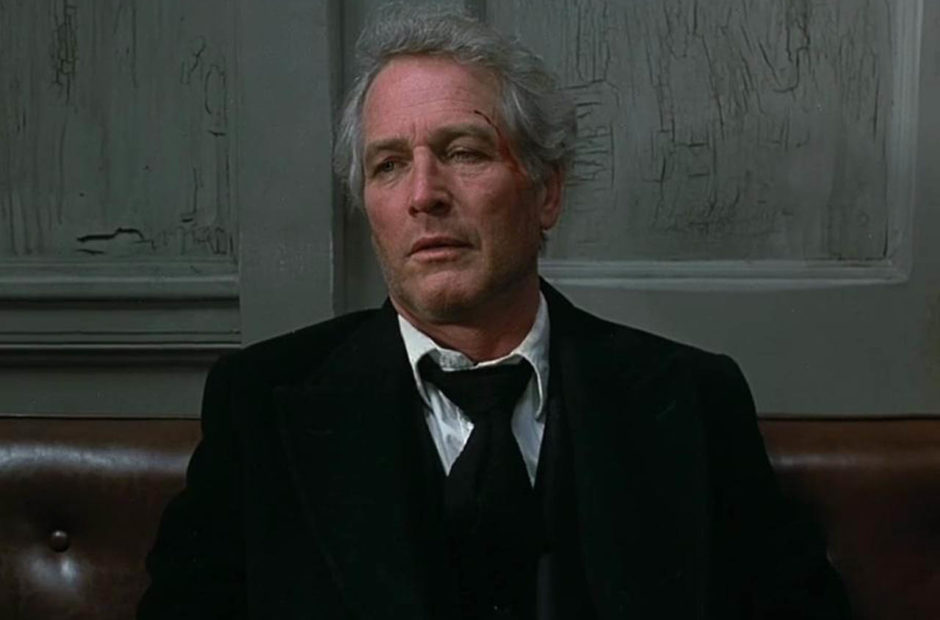
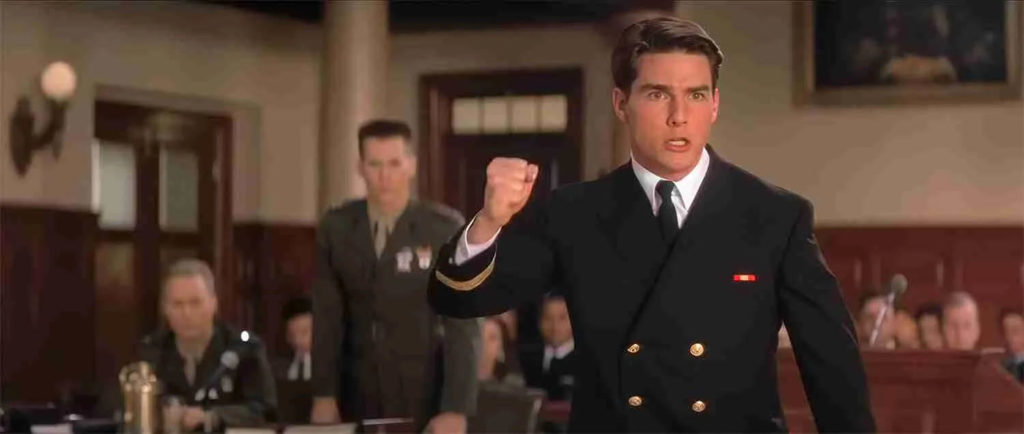
From the 1970s through the 1990s, legal thrillers were a cornerstone of studio filmmaking. Films like The Verdict, Presumed Innocent, Primal Fear, and A Few Good Men proved that audiences would show up for stories driven by ethics, procedure, and character.
These movies thrived on tension created through language. A well-timed objection, a revealing cross-examination, or a quiet admission carried more weight than any action sequence. The courtroom itself became a pressure cooker where reputations, careers, and lives could unravel in real time.
Legal thrillers also benefited from relatability. Most people will never face espionage conspiracies or organized crime syndicates, but courts are familiar institutions. The idea that truth could hinge on persuasion rather than certainty resonated deeply.
Why the Genre Worked So Well
At their best, legal thrillers offered something rare in mainstream cinema. They allowed stars to demonstrate range without requiring physical transformation or spectacle. Performances were the draw. Actors like Paul Newman, Harrison Ford, Gene Hackman, Tom Cruise, and Jack Nicholson used the genre to project intelligence, authority, and vulnerability.
Financially, the model made sense. Legal thrillers typically fell into the mid-budget range, relying on strong scripts and recognizable faces rather than expensive effects. Success did not require global domination. A solid domestic box office and good word of mouth were often enough.
Most importantly, these films trusted audiences. They assumed viewers were willing to listen, think, and engage with moral complexity. Endings were not always clean. Justice was sometimes partial or ambiguous. That uncertainty was part of the appeal.
The Slow Disappearance
The decline of the legal thriller followed the same economic and cultural pressures that reshaped much of Hollywood. As studios shifted toward franchise-driven filmmaking, dialogue-heavy adult dramas became harder to justify. Courtroom stories rarely translated well internationally, limiting their global earning potential.
Rising budgets also played a role. As production and marketing costs increased, studios demanded larger returns. A thoughtful legal thriller that performed well domestically but modestly overseas no longer fit the new definition of success.
At the same time, television absorbed much of what legal thrillers once offered. Procedural dramas and serialized courtroom stories moved into living rooms, where long-form storytelling allowed for greater detail and character development. The genre did not vanish so much as relocate.
What Was Lost
The disappearance of legal thrillers from theaters marked a narrowing of mainstream storytelling. These films once served as a bridge between entertainment and civic engagement. They dramatized questions about truth, power, and accountability in ways that felt immediate and personal.
Without them, theaters lost a space for stories that rewarded attention rather than adrenaline. Audiences lost a genre that treated intelligence as a selling point rather than a risk.
Legal thrillers also provided a communal experience. Watching a courtroom confrontation unfold with an audience created a shared tension that episodic viewing cannot quite replicate.
Could Legal Thrillers Return?
A theatrical revival is possible, but it would require a shift in how success is measured. Legal thrillers work best when allowed to remain modest in scale and ambitious in ideas.
As audiences show increasing fatigue with franchise formulas, there may again be room for films that rely on performance, writing, and moral tension. Until then, legal thrillers remain a reminder of a period when Hollywood believed adults would pay to watch people argue intelligently for two hours.
Fun Jug Media, LLC (operating TheNerdy.com) has affiliate partnerships with various companies. These do not at any time have any influence on the editorial content of The Nerdy. Fun Jug Media LLC may earn a commission from these links.
Image Suggestions
- Featured image: A collage featuring The Verdict, Presumed Innocent, and A Few Good Men.
Alt text: “Collage of classic legal thriller films from the 1980s and 1990s.” - The Verdict – Paul Newman in the courtroom.
Alt: “Paul Newman delivering an argument in The Verdict.” - Presumed Innocent – Harrison Ford in a tense courtroom moment.
Alt: “Harrison Ford in a courtroom scene from Presumed Innocent.” - A Few Good Men – A military courtroom confrontation.
Alt: “Courtroom confrontation scene from A Few Good Men.”