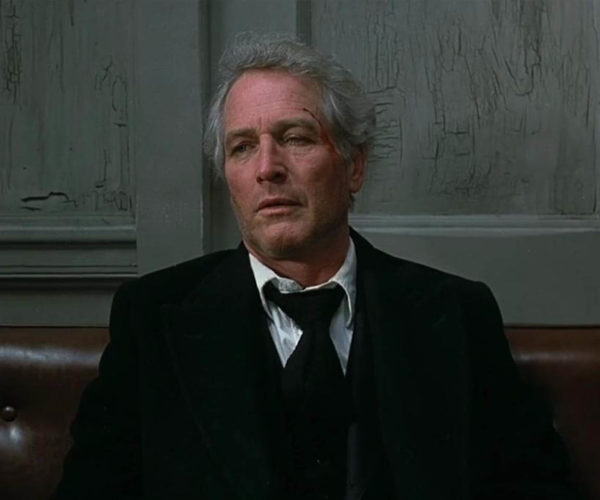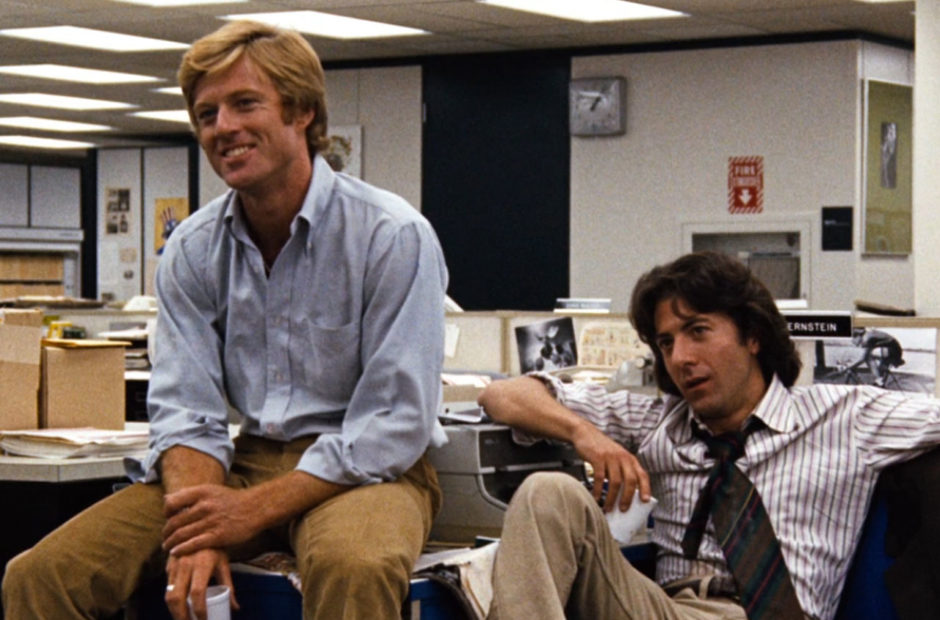
There was a time when Hollywood trusted audiences to follow complicated plots, absorb uncomfortable truths, and sit with uncertainty. Political thrillers were not just popular, they were prestigious. These films asked viewers to question institutions, doubt authority, and consider how power actually works behind closed doors.
For several decades, studios regularly released smart, adult political thrillers aimed at wide audiences. They were tense, dialogue-driven, and often morally ambiguous. Then, quietly, they stopped.
The Golden Age of Political Paranoia
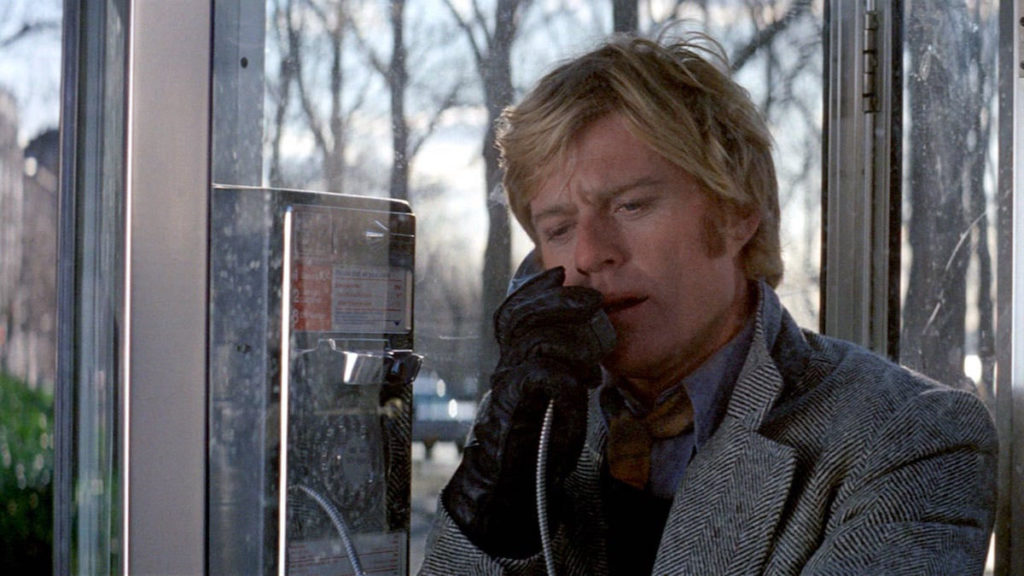
The political thriller flourished in the 1970s, shaped heavily by real-world events. Watergate, Vietnam, and widespread distrust of government created the perfect environment for stories about corruption and conspiracy. Films like All the President’s Men, Three Days of the Condor, and The Parallax View captured a national mood defined by skepticism.
These movies did not offer easy answers. Protagonists were often small figures caught inside massive systems they barely understood. Victory, when it came, was partial at best. More often, survival was the only reward.
Audiences embraced these films because they felt grounded in reality. The danger was not aliens or supervillains. It was paperwork, phone calls, shadowy meetings, and the quiet realization that truth could be buried by bureaucracy.
How the Genre Evolved in the 1980s and 1990s
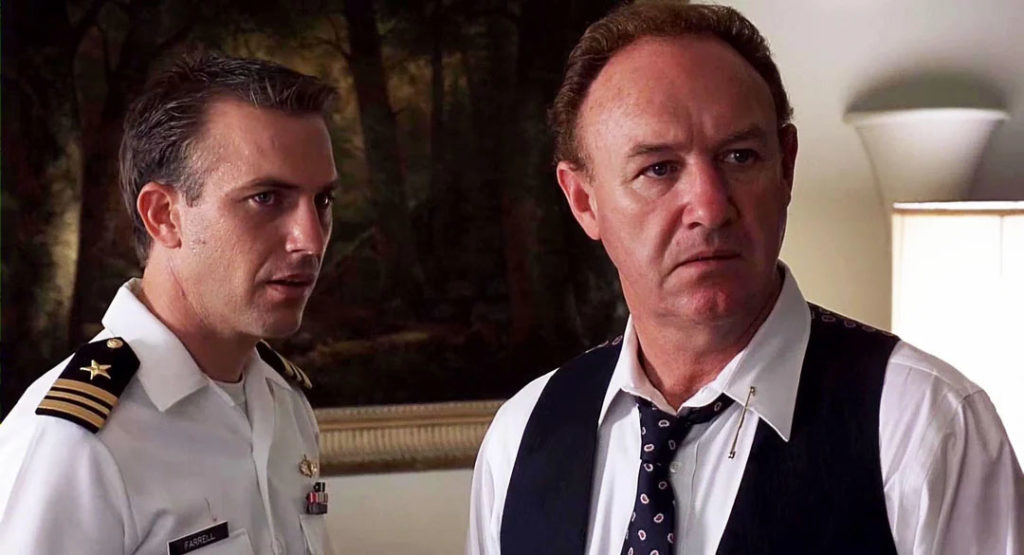
As the genre moved into the 1980s and 1990s, it adapted without losing its core appeal. Political thrillers became slicker and more star-driven, but they remained focused on institutions and moral compromise. Films like No Way Out, JFK, and The Pelican Brief blended conspiracy with character-driven suspense.
These movies often featured journalists, lawyers, analysts, or low-level operatives rather than action heroes. Tension came from uncovering information, not overpowering enemies. The threat was exposure, not explosion.
Crucially, studios believed these films could succeed theatrically. They marketed them as serious entertainment for adults, trusting audiences to keep up.
Why Political Thrillers Fell Out of Favor
The decline of the political thriller was not about audience disinterest. It was about risk.
As studios became increasingly dependent on international box office returns, politically specific stories grew harder to sell. What resonated strongly with American audiences did not always translate overseas, particularly when films relied on U.S.-centric institutions and historical context.
There was also a tonal shift. Political thrillers thrive on ambiguity, unease, and unresolved tension. Modern blockbuster economics favor clarity, spectacle, and easily digestible conflicts. Subtle paranoia does not test well when budgets balloon.
Additionally, real-world politics became more polarized and omnipresent. For some viewers, fictional political intrigue felt too close to daily headlines. For others, it did not feel heightened enough to justify a theatrical experience.
Where the Genre Went Instead
Like many adult-oriented genres, the political thriller migrated to television. Long-form series proved better suited to complex conspiracies and slow-burning revelations. Cable and streaming platforms embraced stories that theaters no longer prioritized.
While these shows often carry the DNA of classic political thrillers, they lack the communal experience that once defined the genre. Watching a two-hour film in a packed theater, collectively processing its implications, created a shared cultural moment that episodic viewing rarely replicates.
Why Political Thrillers Still Matter
Political thrillers mattered because they treated audiences as engaged citizens rather than passive consumers. They assumed viewers wanted to think, question, and wrestle with uncomfortable ideas.
These films also reinforced the idea that cinema could respond to the world as it actually existed. They were entertainment, but they were also commentary, capturing anxieties that news coverage alone could not fully express.
The disappearance of smart political thrillers from theaters reflects a broader retreat from adult-oriented storytelling. What was lost was not just a genre, but a willingness to trust audiences with complexity.
Could the Genre Return?
A theatrical resurgence is possible, but it would require studios to recalibrate their expectations. Political thrillers succeed through tension, writing, and performance, not scale.
As audiences show signs of fatigue with formula-driven spectacle, there may yet be room again for films that challenge rather than reassure. Until then, political thrillers remain a reminder of a period when Hollywood believed intelligence was a selling point.
Fun Jug Media, LLC (operating TheNerdy.com) has affiliate partnerships with various companies. These do not at any time have any influence on the editorial content of The Nerdy. Fun Jug Media LLC may earn a commission from these links.