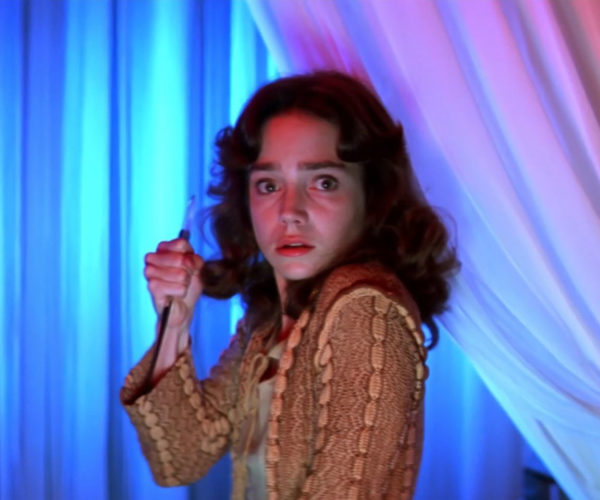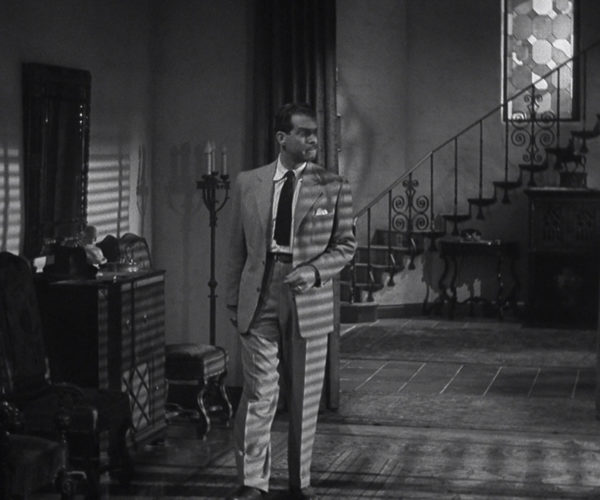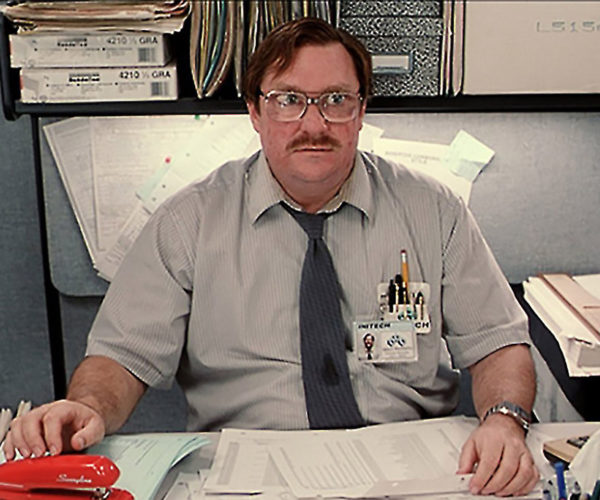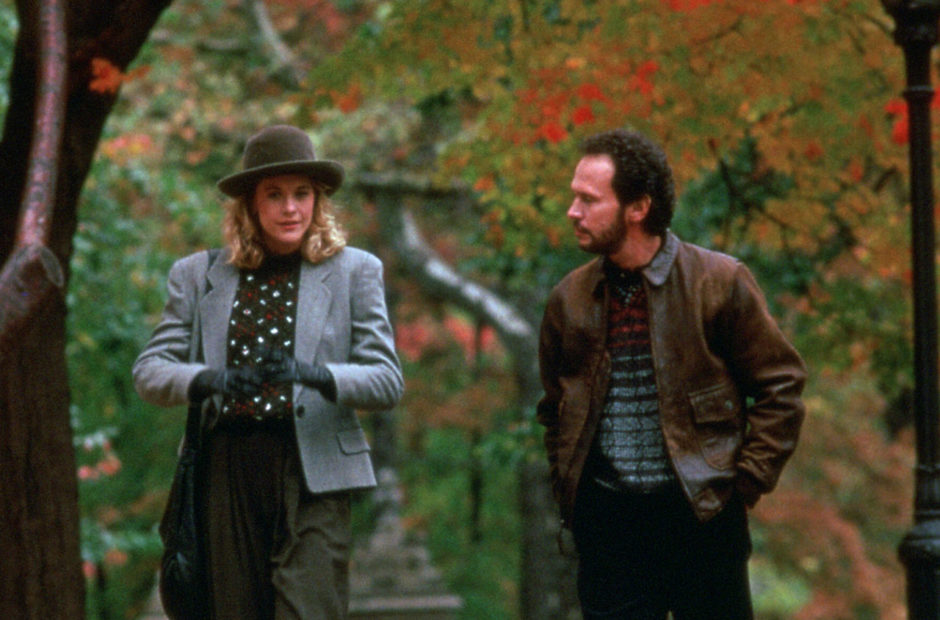
There was a time when Hollywood comedies assumed their audience had lived a little. These films were not aimed at teenagers or built around shock value. They were adult comedies in the truest sense, focused on relationships, work, insecurity, sex, and social anxiety. The humor came from recognition rather than exaggeration.
For decades, studios regularly produced comedies that trusted dialogue, performance, and observation. They were not niche releases or prestige oddities. They were mainstream hits. Then, quietly, they stopped being a priority.
When Comedy Was About Conversation
Classic adult comedies treated humor as an extension of character. Films like Annie Hall, Broadcast News, Tootsie, and When Harry Met Sally relied on wit, timing, and emotional honesty rather than spectacle.
The laughs came from uncomfortable truths. Romantic insecurity, professional jealousy, social awkwardness, and the fear of aging were mined for humor without being softened or exaggerated into caricature.
These movies trusted audiences to listen. A scene could live or die on a conversation. A joke could land quietly and still resonate.
Why the Studio System Supported Them
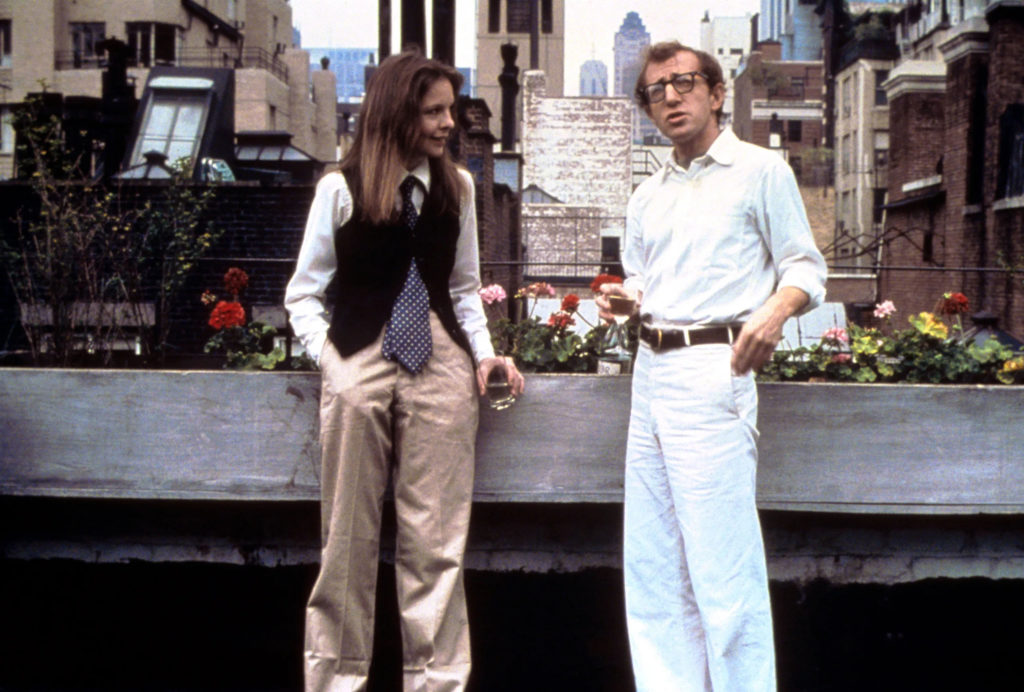
Adult comedies fit neatly into the mid-budget studio model. They were relatively inexpensive, star-driven, and highly rewatchable. Success did not require international spectacle or franchise potential.
Actors embraced these films as opportunities to showcase range and charm. Writers used them to explore adult relationships without cynicism. Directors were given room to let scenes breathe.
Most importantly, studios believed adults were a reliable theatrical audience. Date nights, word of mouth, and repeat viewings made these films profitable over time.
How the Genre Drifted Away
The decline of adult studio comedies mirrored broader industry shifts. As theatrical releases skewed younger, comedies began chasing louder laughs and clearer premises. Subtlety became harder to market.
At the same time, television absorbed much of what adult comedies once offered. Sitcoms and later prestige series delivered character-based humor episodically, without the pressure of opening-weekend performance.
Studios increasingly divided comedy into extremes. Big-budget spectacles aimed at mass appeal on one end, and small indie comedies on the other. The middle ground quietly disappeared.
What Was Lost in the Transition
When adult comedies faded, Hollywood lost a genre that reflected everyday emotional life with humor and empathy. These films allowed audiences to laugh at their own anxieties rather than escape them entirely.
They also fostered shared cultural language. Quotable lines, familiar situations, and recognizable relationship dynamics created common reference points that endured for decades.
Without them, theatrical comedy became less conversational and more performative.
Where Adult Comedy Lives Now
Adult comedy did not vanish. It relocated. Streaming platforms and television series now carry much of the responsibility for character-driven humor aimed at mature audiences.
While these formats allow for depth and nuance, they lack the communal theatrical experience that once defined studio comedies. Watching a sharp comedy with an audience created a collective rhythm that episodic viewing rarely replicates.
Why Adult Comedies Still Matter
Adult comedies mattered because they treated humor as part of emotional truth. They acknowledged that relationships are messy, work is absurd, and people often say the wrong thing.
Their disappearance from theaters reflects a narrowing of what mainstream comedy is allowed to be. What was lost was not laughter, but perspective.
When studios made adult comedies for grown-ups, they trusted audiences to recognize themselves on screen. That trust is worth remembering.
Fun Jug Media, LLC (operating TheNerdy.com) has affiliate partnerships with various companies. These do not at any time have any influence on the editorial content of The Nerdy. Fun Jug Media LLC may earn a commission from these links.