There was a time when going to the movies was not treated as an event. It was not something you scheduled weeks in advance or justified as a special outing. It was a regular part of life, folded into the rhythm of the week.
Moviegoing functioned less like a destination and more like a habit. You didn’t ask whether a film was worth leaving the house for. You asked what was playing, when the next showing started, or whether you had time before dinner.
That distinction mattered. When movies were habitual, audiences related to them differently. Expectations were lower, curiosity was higher, and discovery was built into the experience. Cinema was not something you prepared for. It was something you lived alongside.
Movies as Routine, Not Occasion
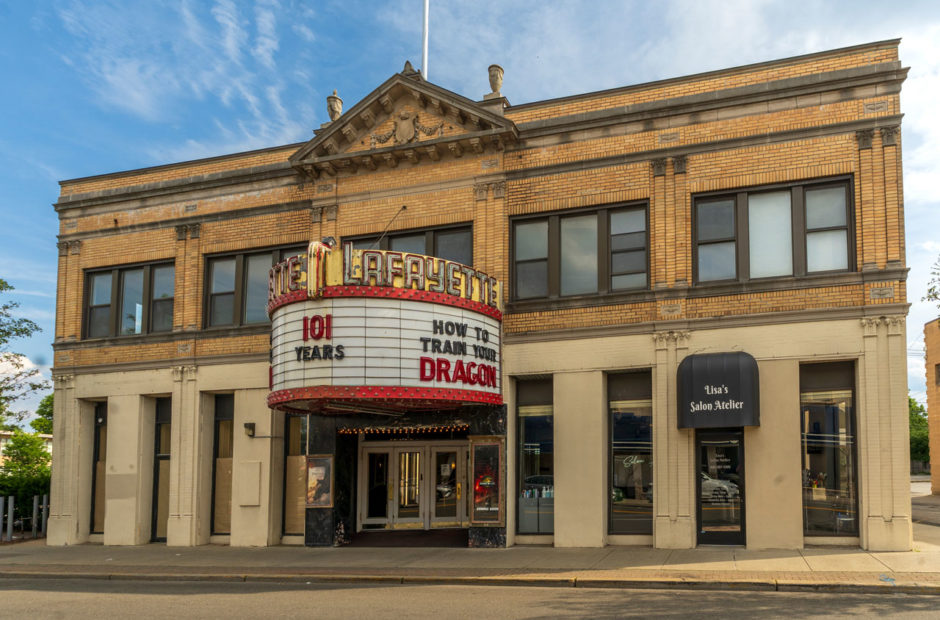
For much of the twentieth century, theaters functioned like neighborhood institutions. People went regularly, sometimes weekly, often without a specific title in mind. Double features, matinees, and rotating programs made moviegoing feel casual and accessible.
You might walk in halfway through one film and stay for the next. You might see something you had never heard of simply because it was playing. Discovery was not accidental. It was structural.
The commitment level was low, but the emotional return was high.

iStock – Antonprado
The Role of Price and Proximity
Affordability played a crucial role. Tickets were cheap enough that a disappointing movie did not feel like a mistake. You shrugged it off and came back the following week.
Theaters were also closer. Downtown cinemas, neighborhood houses, and mall multiplexes made moviegoing geographically convenient. You did not plan an evening around it. You folded it into your day.
This accessibility encouraged habit. Habit created loyalty.
Why Midweek Showings Mattered
Midweek screenings were central to the rhythm of moviegoing. Tuesday and Wednesday nights were filled with regulars. Matinees attracted retirees, students, and shift workers.
Movies filled the gaps in the week. They were not reserved for Friday night anticipation or weekend payoff. They served to punctuate ordinary time.
That regularity established a relationship between the audience and the theater that extended beyond any single release.
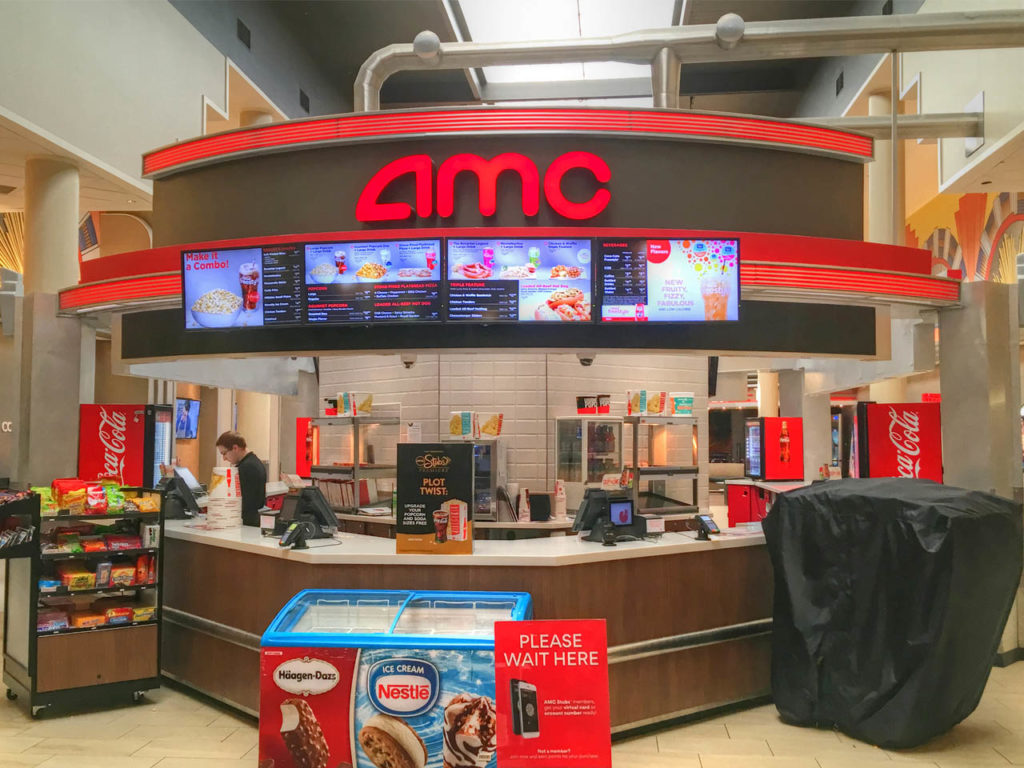
Shutterstock – AMC Theater – QualityHD
What Changed the Pattern
Over time, several forces disrupted this habit. Ticket prices rose. Neighborhood theaters disappeared. Release strategies shifted toward opening weekend urgency.
Movies became something you “went out for” rather than something you dropped into. The cost of disappointment increased, and with it, hesitation.
At the same time, home viewing offered convenience without commitment. The habit moved indoors.
What Was Lost
When moviegoing ceased to be routine, something subtle disappeared. The casual relationship with cinema gave way to a more transactional one.
Films were no longer companions to everyday life. They became appointments. That shift changed how audiences judged, remembered, and returned to them.
Discovery suffered the most. Risk was perceived as less acceptable when time and money were at stake.
Why the Habit Still Matters
The idea of weekly moviegoing persists because it fulfilled a human need for shared, low-pressure experiences. It was not about prestige or urgency. It was about presence.
When movies were a habit, they were allowed to be imperfect, surprising, or simply okay. That freedom helped audiences fall in love with cinema over and over again.
Even now, the memory of that rhythm lingers. It explains why people still want theaters to feel welcoming, affordable, and part of everyday life again.
Fun Jug Media, LLC (operating TheNerdy.com) has affiliate partnerships with various companies. These do not at any time have any influence on the editorial content of The Nerdy. Fun Jug Media LLC may earn a commission from these links.