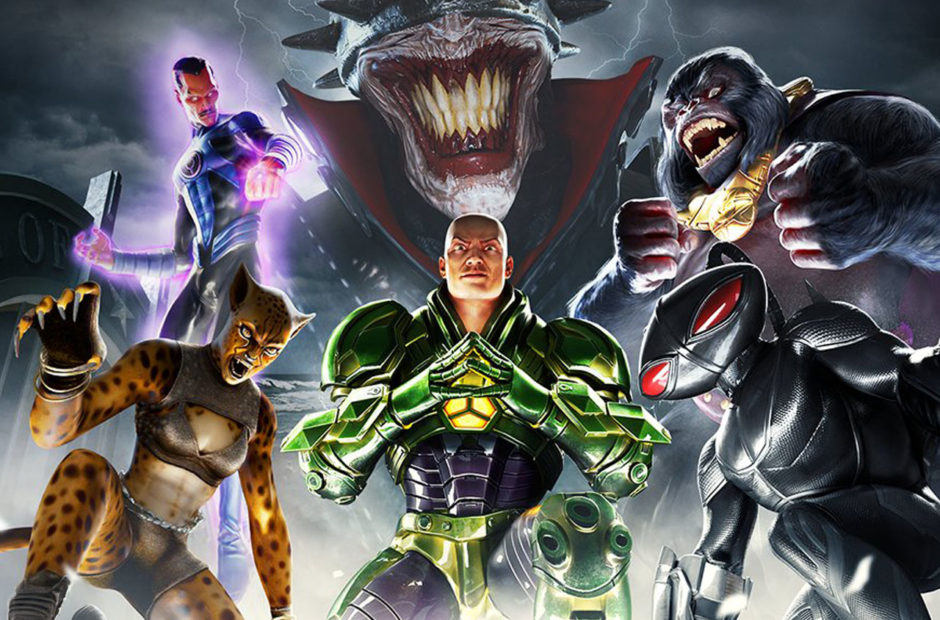
The Justice League did not unite in a vacuum. For every alliance of heroes, there was always the threat of villains doing the same. The Legion of Doom exists because one enemy is manageable, but many working together can end the world. Over the decades, the Legion of Doom has become DC’s most iconic villain coalition, defined not just by power, but by ego, strategy, and mutual distrust.
The Birth of the Legion of Doom
The Legion of Doom first appeared in animation on Challenge of the Super Friends in 1978. Unlike many DC concepts that began in comics, the Legion was born on television. The idea was simple and effective. If the Justice League had a headquarters and coordinated attacks, the villains should too.
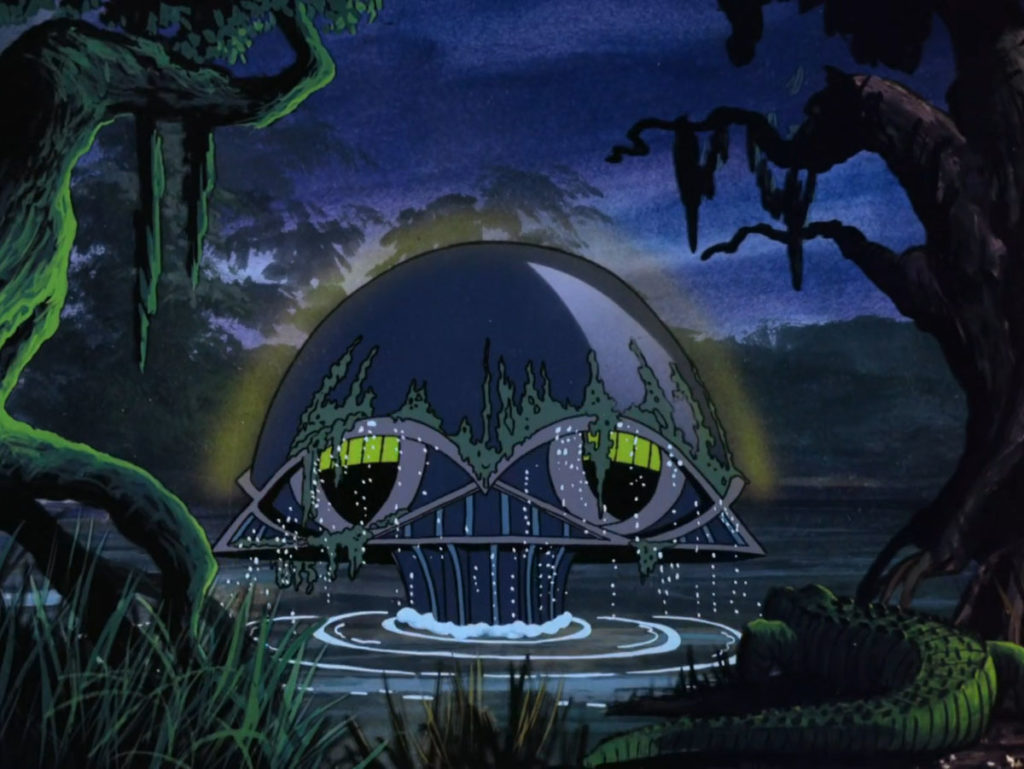
The Legion’s base, the Hall of Doom, sat across the swamp from the Justice League’s satellite headquarters. This visual symmetry reinforced the concept. The Legion was not chaos. It was an organization weaponized.
From Animation to Comics
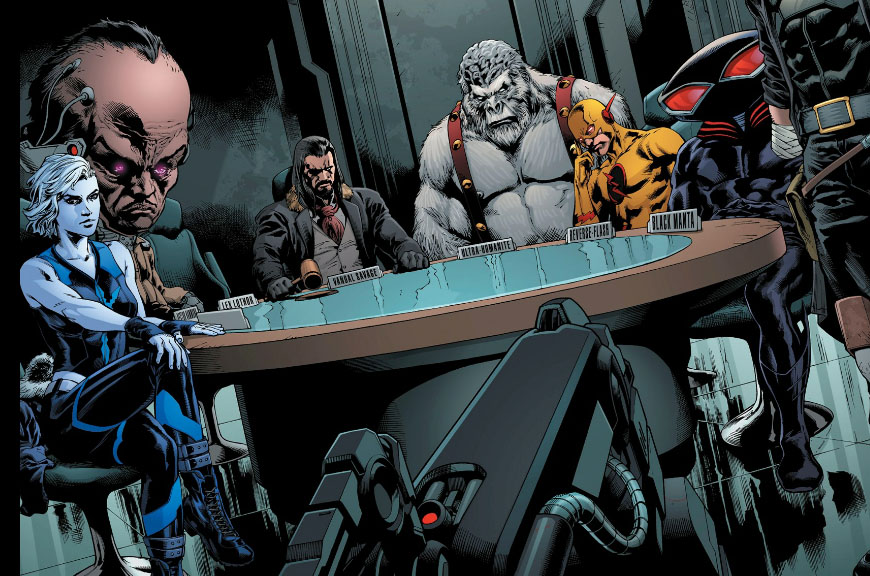
Although the Legion of Doom began as a cartoon concept, DC quickly adapted it into the comics. Over time, the lineup evolved, the tone darkened, and the stakes increased. What began as colorful villain teamwork grew into a serious threat capable of rivaling the Justice League in scale and coordination.
Different eras used different names, including the Injustice League and the Secret Society of Super-Villains, but the core idea remained consistent. The Legion represents villains who realize that solo acts of destruction are inefficient.
Core Members of the Legion
The Legion of Doom does not have a fixed roster, but specific names recur. These villains bring different strengths and agendas, making the alliance both powerful and unstable.
- Lex Luthor: The mastermind. A strategist who believes intellect should rule over strength.
- The Joker: Chaos embodied. His presence alone destabilizes any plan.
- Black Manta: A ruthless tactician with a singular obsession.
- Sinestro: A fallen idealist who believes fear is the strongest tool of control.
- Cheetah: A deadly predator driven by personal vendettas.
- Gorilla Grodd: A telepathic tyrant seeking domination through evolution.
How the Legion of Doom Operates
Unlike the Justice League, the Legion of Doom is not bound by trust or shared morality. Their alliances are transactional. Members cooperate because it benefits them, not because they believe in a cause. This makes the Legion dangerous, but also fragile.
Plans are often layered, with multiple contingencies designed to exploit the heroes’ weaknesses. When the Legion succeeds, it is usually because they attack systems rather than individuals.
The Legion Versus the Justice League
The Legion of Doom exists as a mirror to the Justice League. Where the League relies on cooperation and shared values, the Legion relies on leverage and intimidation. Their battles are rarely just physical. They target reputations, resources, and public trust.
Some of the League’s greatest defeats have come not from overwhelming force, but from Legion schemes that fracture unity and sow doubt.
The Legion of Doom Across Media
The Legion is best known to mainstream audiences through animation. Challenge of the Super Friends introduced generations of viewers to the concept of villains uniting. Later animated series and video games continued to use the Legion as shorthand for large-scale villain coordination.
Live action adaptations have hinted at similar alliances without fully committing to the Legion name. As the DCU expands, the concept remains one of the most natural ways to escalate threats beyond individual villains.
Why the Legion of Doom Matters
The Legion of Doom is not just a villain team. It is a narrative pressure point. It forces heroes to cooperate, evolve, and confront the reality that their enemies learn and adapt. Without the Legion, the Justice League would have far fewer reasons to exist as a unified force.
FAQs
Is the Legion of Doom the same as the Injustice League?
No. The names have been used interchangeably at times, but the Legion of Doom is the most iconic version of the concept.
Who leads the Legion of Doom?
Leadership varies by story, but Lex Luthor is the most common architect behind the scenes.
Is the Legion of Doom stronger than the Justice League?
Individually, no. Strategically, they can be more dangerous when fully aligned.
Will the Legion of Doom appear in the DCU?
DC Studios has not confirmed plans, but the concept fits naturally into large-scale storytelling.
Conclusion
The Legion of Doom exists because villains evolve. They learn that unity multiplies power, even when trust is absent. As long as the Justice League stands for cooperation and hope, the Legion of Doom will stand opposite them, proving that organization can be just as dangerous as chaos.