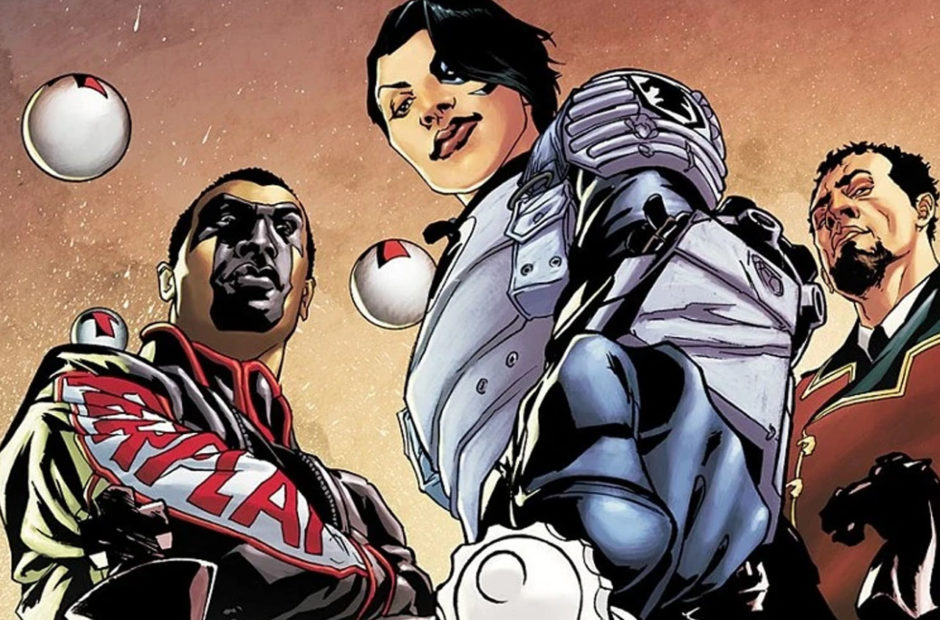
If you watched the Season 2 finale of Peacemaker, you probably caught the name “Checkmate.” For casual fans, it may have sounded like a throwaway spy code. For longtime DC readers, it was a loaded reveal. Checkmate is one of the DC Universe’s oldest and most secretive intelligence agencies, and its arrival signals that James Gunn’s world of heroes and villains just got a lot more complicated.
Checkmate’s Origins in the Comics
Checkmate debuted in Action Comics #598 in 1988, created by writer Paul Kupperberg and artist Steve Erwin. It began as part of DC’s larger “Agency” line, which also included Suicide Squad and Manhunter. Where the Squad handled messy black ops, Checkmate specialized in intelligence gathering, political influence, and covert superhuman operations. Think of it as DC’s version of a morally gray S.H.I.E.L.D. run by chess masters instead of soldiers.
The organization’s structure mirrors a chessboard. High-ranking leaders hold titles like King and Queen, while field agents are known as Knights, Bishops, Rooks, and Pawns. It sounds gimmicky, but in DC’s political espionage stories, it worked. The symbolism represented power hierarchy, secrecy, and sacrifice.
Key Members and Storylines
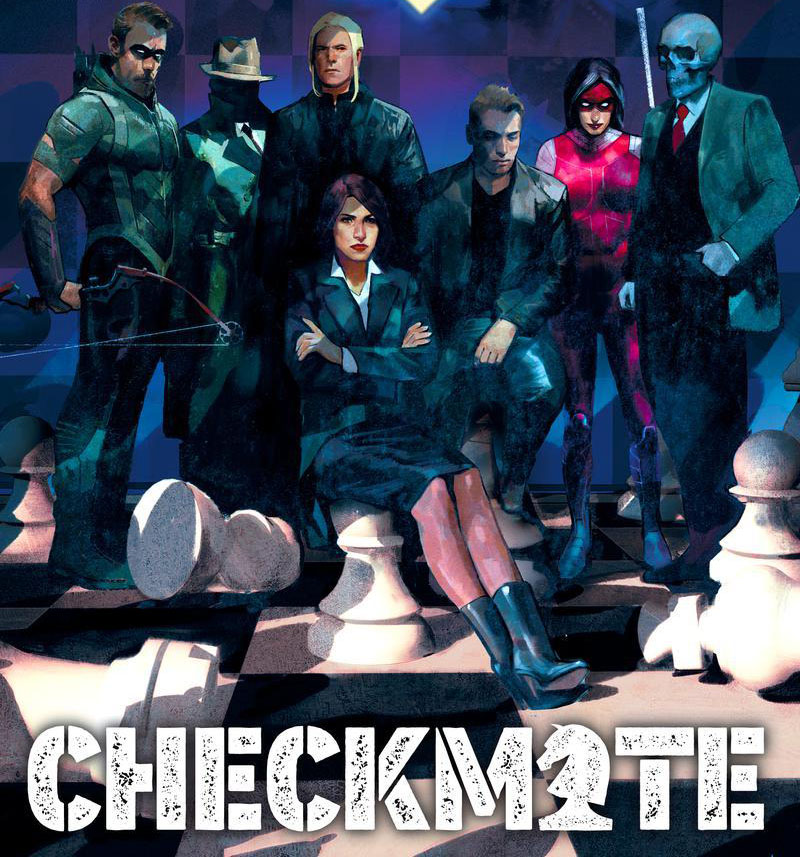
Over the years, Checkmate’s ranks have included some of DC’s most powerful tacticians and morally ambiguous figures. Amanda Waller, known for running Task Force X, has often had ties to the group. Maxwell Lord, Sasha Bordeaux, and even Green Lantern’s ally Alan Scott have held leadership roles. In the mid-2000s, the acclaimed Checkmate comic series by Greg Rucka reimagined the organization as a global power broker balancing superhero diplomacy and covert warfare.
What is Checkmate’s Role in DC’s Universe
Checkmate functions as a counterweight to superhero independence. They monitor, manipulate, and occasionally neutralize heroes they see as threats. The organization’s moral stance changes with its leadership. Under Waller, it operates with ruthless efficiency. Under others, it becomes a stabilizing force that keeps nations and metahumans from open war.
Checkmate in the Peacemaker TV Universe
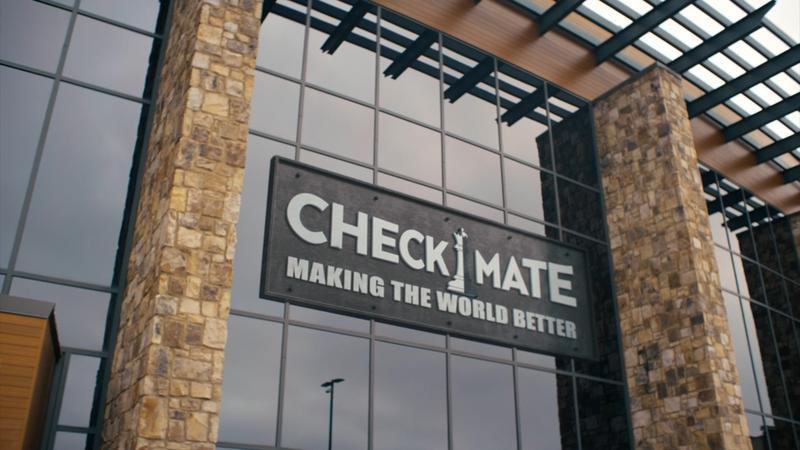
In the Peacemaker Season 2 finale, the name drops at just the right moment. Without spoiling specifics, Checkmate’s mention ties directly into the larger DCU that James Gunn and Peter Safran are building. The agency’s inclusion suggests a bridge between the grounded espionage world of Peacemaker and upcoming projects. It opens the door for shadow politics, secret missions, and morally gray alliances in future DC stories.
Given Peacemaker’s tone, Checkmate’s introduction could mix government oversight with Gunn’s signature absurdity. Expect plenty of manipulation, moral arguments, and probably at least one exploding chess piece.
Why Checkmate Matters
Checkmate is DC’s ultimate reminder that power is never simple. Heroes fight in the open. Checkmate fights in the shadows. Their arrival in Peacemaker suggests that the next phase of the DCU will explore not just gods and monsters, but the governments and agendas that try to control them. Whether they act as allies, enemies, or something in between, Checkmate represents the quiet war behind the capes.
FAQs
Is Checkmate connected to Amanda Waller?
Yes. Waller has often served as a King or Queen within the organization. Expect some crossover if her HBO Max series moves forward.
Is Checkmate good or evil?
Neither. The organization believes in order and control, which puts them at odds with heroes who value freedom.
Was Checkmate ever connected to the Justice League?
No, but they have worked with and against the League depending on leadership and global crises.
Will Checkmate appear again in the DCU?
Given its role in Peacemaker Season 2, it’s likely we will see Checkmate again as the DCU expands into espionage and politics.
Conclusion
Checkmate’s arrival in Peacemaker is more than a deep cut. It is a statement of intent. The DCU is growing beyond costumed battles and into the realm of secrecy, strategy, and moral compromise. If the comics are any guide, Checkmate will make sure the heroes stay honest—whether they want to or not.