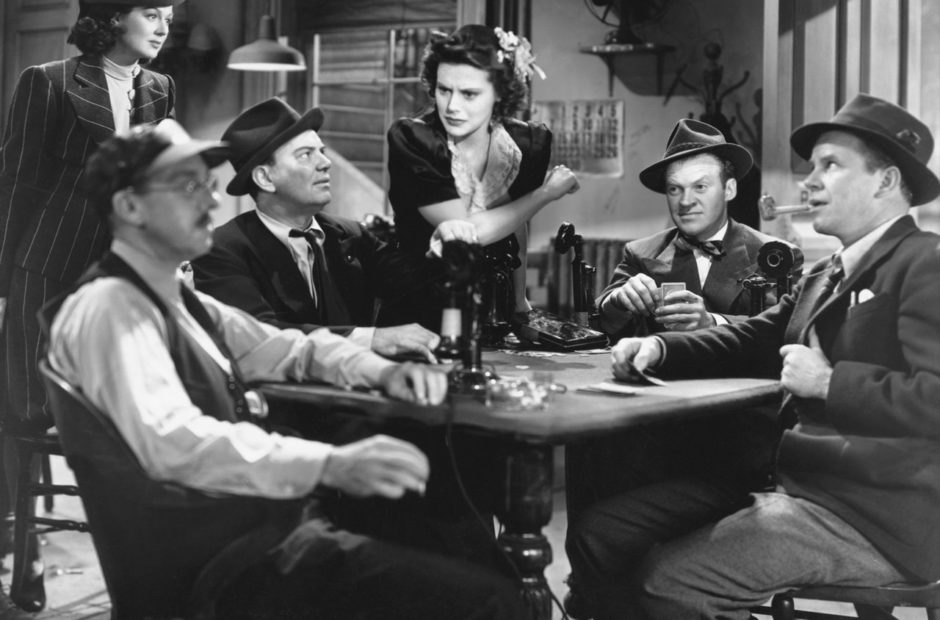
There was a time when Hollywood comedies moved at a breakneck pace. Dialogue snapped, misunderstandings piled up, and characters sparred verbally as much as they flirted. Screwball comedies trusted audiences to keep up, rewarding attention with wit rather than volume.
These films were not built around punchlines or spectacle. They were powered by timing, performance, and language. Somewhere along the way, that kind of comedy faded from mainstream cinema.
When Speed and Wit Were the Point
Screwball comedies flourished during the studio era, particularly in the 1930s and 1940s. Films like It Happened One Night, Bringing Up Baby, His Girl Friday, and The Philadelphia Story defined a style that prized rhythm and verbal dexterity.
The stories often revolved around class clashes, gender battles, and social upheaval. Romance was central, but it was rarely sentimental. Characters fell in love by outsmarting each other, not by delivering earnest monologues.
These movies worked because they assumed audiences were listening. Jokes were layered, references flew by, and performances were calibrated with near-musical precision.
Why Studios Embraced the Genre

Screwball comedies fit the studio system perfectly. They were relatively inexpensive, relied on star chemistry rather than effects, and showcased writers and performers at their sharpest. Actors like Cary Grant, Katharine Hepburn, Rosalind Russell, and Claudette Colbert became icons largely through this genre.
The genre also benefited from creative constraints. The Production Code limited explicit content, pushing filmmakers to express desire through innuendo, subtext, and rapid-fire banter. What could not be shown had to be spoken, cleverly.
Audiences responded because the films felt alive. Even decades later, the energy remains unmistakable.
How the Style Drifted Away
The decline of the screwball comedy was gradual. As cultural norms shifted, the need for coded dialogue diminished. Romantic comedies became more literal, and humor leaned toward broader setups and clearer emotional beats.
Television also played a role. Sitcoms absorbed much of what screwball comedy once offered, delivering fast-paced dialogue in episodic form. Theatrical comedies, meanwhile, began prioritizing premise over pace.
By the time modern studio comedies took shape, the emphasis had moved away from verbal sparring. Jokes became bigger, slower, and more situational. The art of rapid-fire dialogue quietly slipped out of fashion.
What Was Lost Along the Way
When screwball comedy faded, Hollywood lost a style that treated language as action. These films demonstrated that comedy could be driven by intellect as much as physicality.
They also offered a unique kind of equality. Male and female leads often met as equals, matching each other beat for beat. The humor came from balance, not dominance.
Modern romantic comedies occasionally echo this tradition, but rarely sustain it. The rhythm that once defined the genre is difficult to recreate without complete commitment to pace and performance.
Why Screwball Comedy Still Matters
Screwball comedies endure because they feel effortless while being anything but. They remind audiences that comedy can be sophisticated without being distant, and fast without being chaotic.
The genre’s disappearance reflects a broader shift in how movies are written and performed. When scripts slow down, so does the comedy.
Revisiting these films today is a reminder that wit ages better than noise, and that speed, when handled well, never goes out of style.
Could Screwball Comedy Return?
A revival is possible, but it would require studios to trust audiences again. Screwball comedy depends on sharp writing, confident performers, and a willingness to let jokes fly without explanation.
If those elements ever align, the genre’s spark is still there, waiting to be rediscovered.
Fun Jug Media, LLC (operating TheNerdy.com) has affiliate partnerships with various companies. These do not at any time have any influence on the editorial content of The Nerdy. Fun Jug Media LLC may earn a commission from these links.