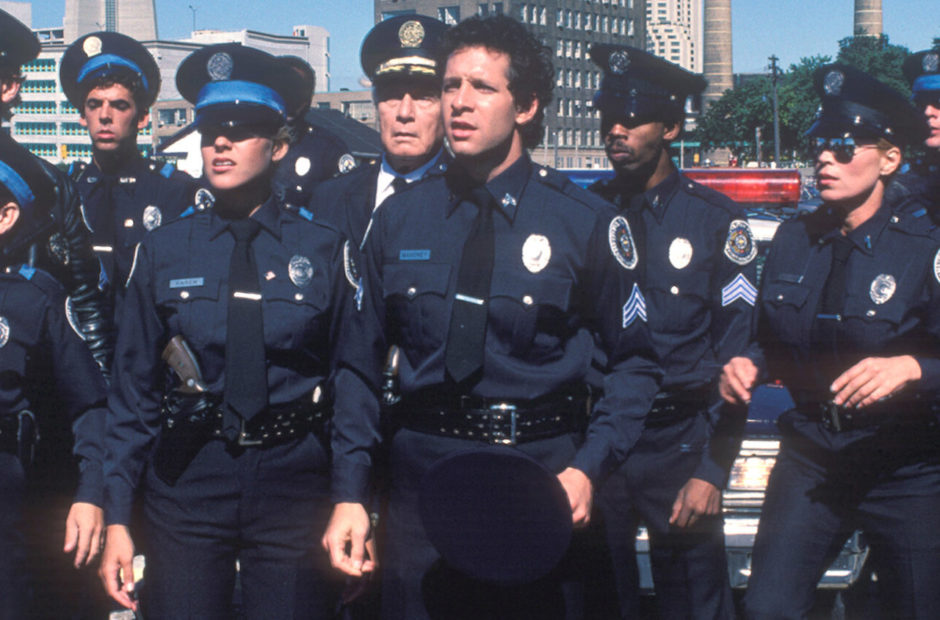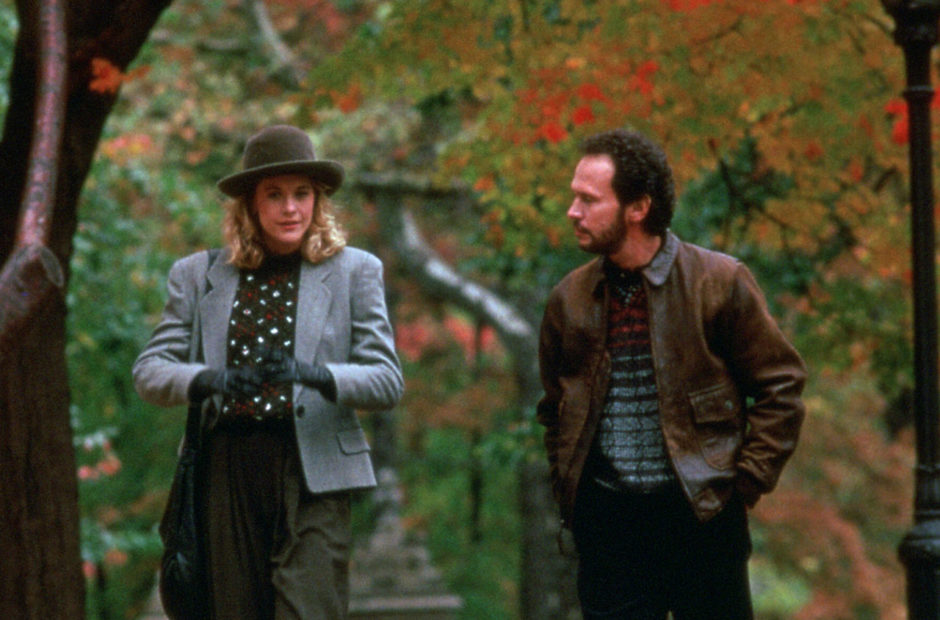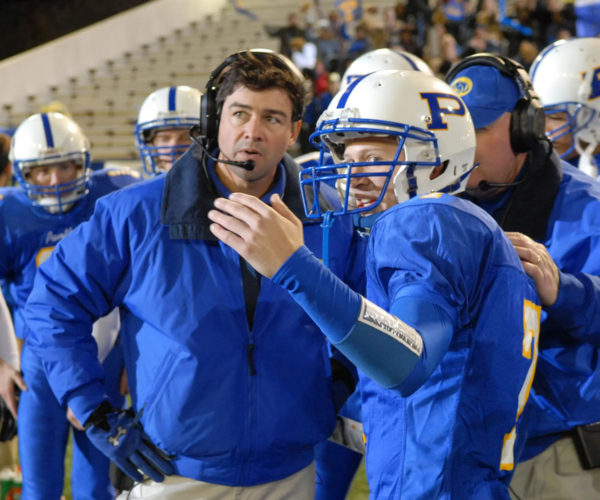
When people talk about genres disappearing from Hollywood, the story is usually framed as loss. Studios stopped making certain kinds of movies. Audiences moved on. Something essential was left behind. What often gets overlooked is where those genres actually went.
In many cases, they did not vanish at all. They migrated. Television, first through broadcast and cable and later through streaming, absorbed entire categories of storytelling that theatrical films no longer prioritized. The shift was gradual, structural, and far more consequential than most people remember.
Television as a Safety Valve
For much of the twentieth century, movies were the primary home for adult-oriented storytelling. Courtroom dramas, political thrillers, relationship comedies, and character-driven dramas all lived comfortably in theaters. When the economics of theatrical releases began to change, television quietly became a pressure valve.
Genres that relied on dialogue, character development, and moral ambiguity found a more forgiving environment on the small screen. Television did not require massive opening weekends or international box office appeal. It rewarded consistency and longevity instead.
This was not a hostile takeover. It was an adaptation.
The First Major Shift
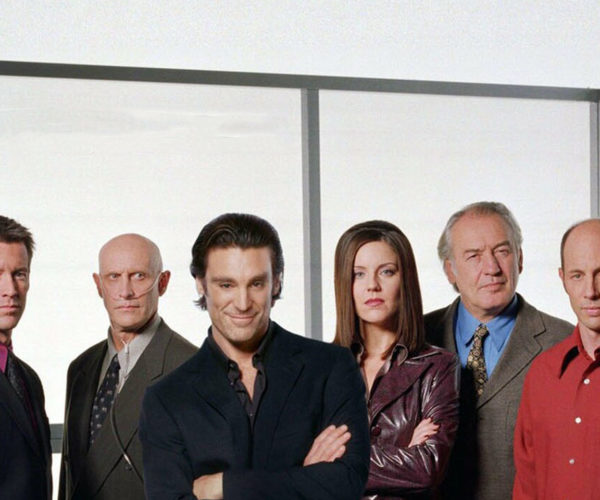
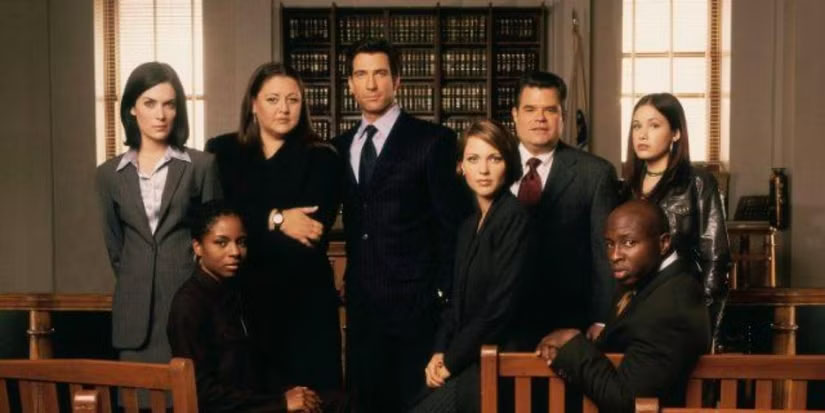
Legal thrillers offer one of the clearest examples. As studios grew wary of mid-budget courtroom films, television embraced procedural storytelling. Courtrooms did not become less compelling. They simply became episodic.
The same pattern repeated across genres. Political thrillers moved into serialized dramas where conspiracies could unfold slowly. Adult relationship comedies found new life in sitcoms and dramedies. Character-driven dramas migrated almost entirely into long-form television.
What film abandoned, television absorbed.
Why Television Was Better Positioned
Television excelled at precisely what these genres required. Time. Space. Repetition. A two-hour film must resolve conflict efficiently. A television series can explore it over weeks or years.
Television also tolerated modest success. A show did not need to dominate culturally to justify its existence. It needed to retain an audience. That tolerance allowed genres built on nuance rather than spectacle to survive.
In many ways, television became the new mid-budget cinema.
What Movies Gave Up
As genres migrated, theatrical cinema narrowed its focus. Spectacle, scale, and global accessibility became priorities. Stories that depended on language, context, and cultural specificity were increasingly viewed as risks.
This was not a failure of creativity. It was a shift in incentives. Studios followed the money, and the money favored franchises.
The result was not fewer stories, but fewer kinds of stories on the big screen.
The Cultural Amnesia
One of the strangest outcomes of this shift is how quickly it was forgotten. Television did not announce itself as a replacement. There was no moment where audiences were told that certain genres now belonged elsewhere.
Over time, people simply stopped expecting to see these stories in theaters. The absence became normalized.
This amnesia makes each technological transition feel unprecedented, even though the pattern is familiar.
Why This History Matters Now
Every major change in Hollywood has been accompanied by fear. Sound. Television. Home video. Streaming. Each was framed as an existential threat. In reality, each reshaped where and how stories were told.
The lesson is not that disruption is painless. Careers are affected. Power shifts. Labor must renegotiate its place. But history shows that storytelling itself adapts.
Genres do not disappear because audiences stop wanting them. They disappear because industries decide they belong somewhere else.
The Quiet Truth
Television did not kill movie genres. It preserved them.
By absorbing forms of storytelling that no longer fit theatrical economics, television kept entire traditions alive. What was lost was not the stories themselves, but a shared understanding of where they belonged.
Remembering that history offers clarity during moments of upheaval. Change rarely erases creativity. It relocates it.
Fun Jug Media, LLC (operating TheNerdy.com) has affiliate partnerships with various companies. These do not at any time have any influence on the editorial content of The Nerdy. Fun Jug Media LLC may earn a commission from these links.