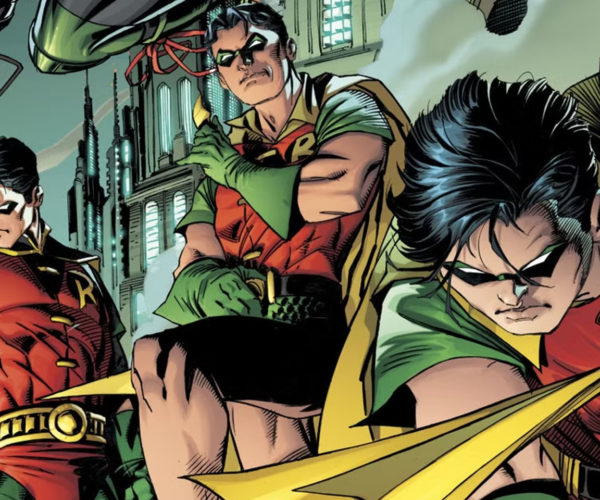
The Teen Titans did not grow into heroes in a vacuum. Every generation of the team was defined by the enemies they faced while still figuring out who they were. Unlike the Justice League, the Titans often battled villains who targeted their emotions, identities, and relationships as much as their powers. These antagonists did not just threaten the world. They tested what it meant to grow up as a hero.
Why Titans Villains Feel Different
Teen Titans villains tend to be personal. They exploit fear, insecurity, loyalty, and temptation. Where Justice League threats usually arrive from space or other dimensions, Titans villains often come from within the team’s emotional orbit. That difference is why Titans stories resonate so strongly.
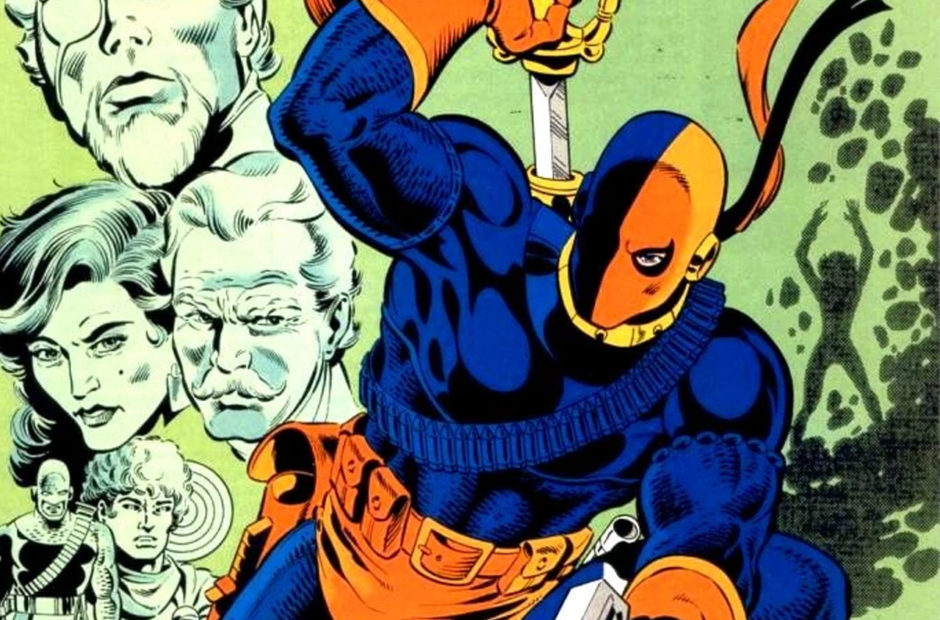
Slade
Slade Wilson is the definitive Teen Titans villain. A master tactician and mercenary, Slade does not seek domination or chaos for its own sake. He seeks control. His obsession with breaking the Titans psychologically makes him more dangerous than many stronger foes. Slade treats the team as a long-term experiment, pushing them to failure just to see how they respond.
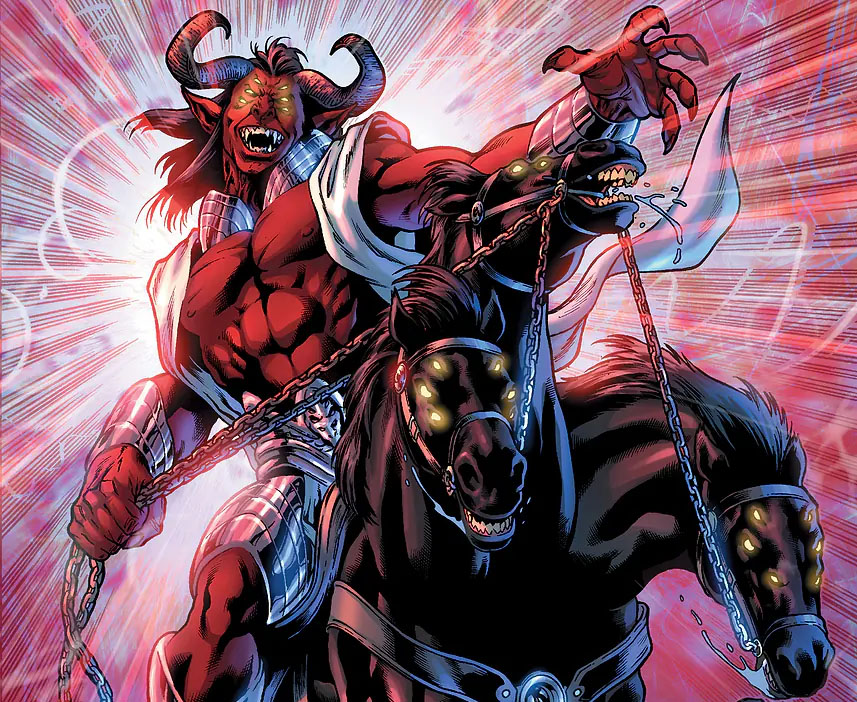
Trigon
Trigon is a demonic entity whose threat extends beyond physical destruction. As Raven’s father, he represents inevitability, destiny, and fear of inheritance. Trigon’s presence forces the Titans to confront questions of identity and choice. Can you escape what you were born into, or are you destined to repeat it?
Brother Blood
Brother Blood weaponizes belief. As a cult leader and manipulator, he thrives on influence rather than raw power. His stories explore how charisma and ideology can be more dangerous than fists. Against a team of young heroes still defining their values, Brother Blood’s influence can be devastating.
The Fearsome Five
The Fearsome Five are a rotating group of villains brought together by mutual benefit rather than loyalty. Their shifting membership highlights a recurring Titans theme. Unity is fragile when driven by self-interest. The team’s clashes with the Fearsome Five often mirror the Titans’ own struggles with cohesion.
Blackfire
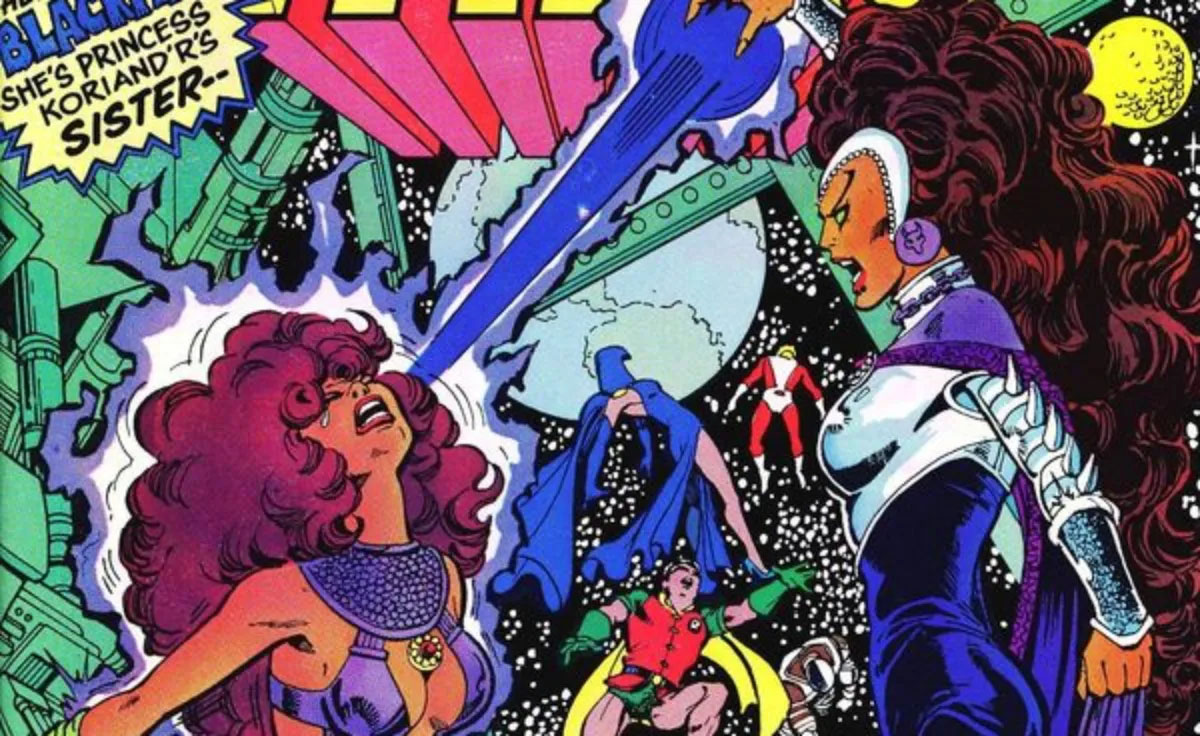
Blackfire, Starfire’s sister, represents betrayal within family. Her rivalry with Starfire is rooted in jealousy, exile, and political power. Unlike many Titans villains, Blackfire is not purely malicious. She believes she deserves what Starfire has, which makes their conflict deeply personal.
Deathstroke’s Legacy
Over time, Slade’s influence extends beyond his own appearances. Many Titans villains adopt his methods or philosophies, focusing on manipulation, long games, and emotional pressure. This legacy reinforces the idea that the Titans’ greatest battles are rarely straightforward.
The Titans in Animation and Live Action
Animated series like Teen Titans and Young Justice cemented these villains in pop culture. Slade and Trigon, in particular, became defining antagonists for an entire generation of viewers. Live action adaptations leaned darker, emphasizing trauma and long-term consequences.
Why These Villains Matter
The Titans’ enemies are not just obstacles. They are catalysts. Each villain forces the team to mature, adapt, and redefine their bonds. Without these threats, the Titans would never evolve beyond sidekicks.
FAQs
Who is the Teen Titans’ greatest villain?
Slade is widely considered the most impactful due to his psychological warfare and long-term influence.
Is Deathstroke the same as Slade?
Yes. Slade Wilson is Deathstroke, though Titans stories often emphasize his name rather than the alias.
Are Titans villains weaker than Justice League villains?
Not necessarily. Their danger comes from manipulation and emotional targeting rather than sheer power.
Do Titans villains appear in the DCU?
DC Studios has not announced specific plans, but many of these characters have strong adaptation history.
Conclusion
The Teen Titans’ villains define the team as much as its heroes. They attack trust, identity, and belief at the most vulnerable stages of growth. Through these battles, the Titans become more than sidekicks. They become heroes capable of standing on their own.