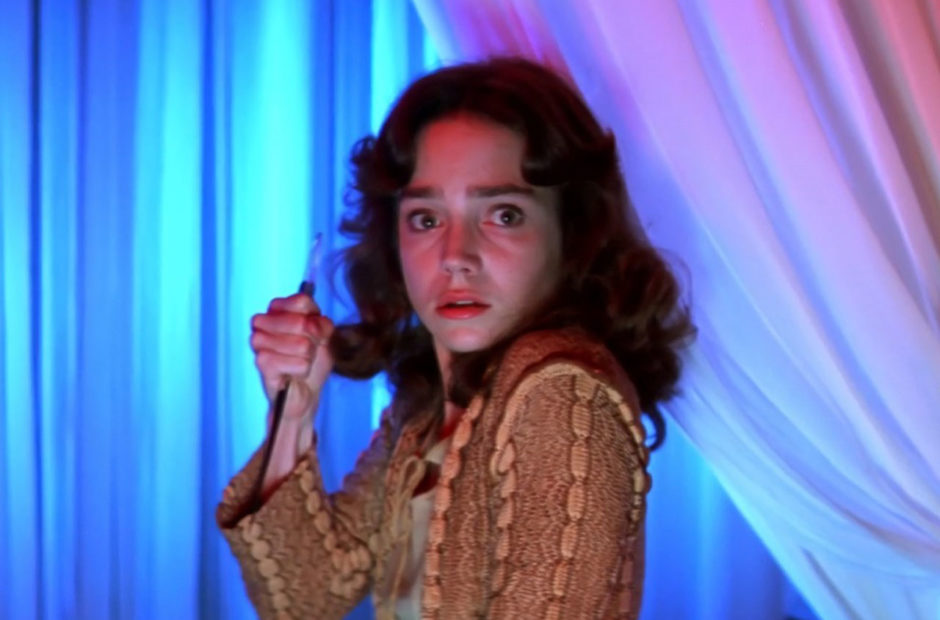
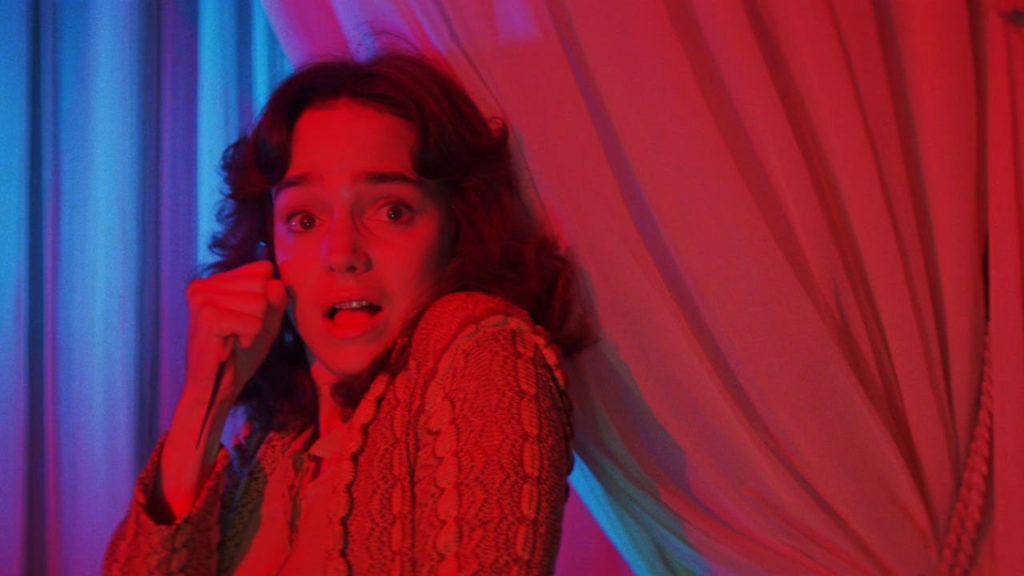
The first thing you notice about Suspiria is the color. Not just that it is colorful, but that the colors feel aggressive, unnatural, and almost confrontational. This is not a horror film that eases you in or explains itself. It throws you into a nightmare logic world and dares you to keep up.
This week in Cult Classics You Should Finally Watch, we are looking at one of the most visually distinctive horror films ever made, a movie that values atmosphere over answers and sensation over comfort.
Why Suspiria Is A Cult Classic
Suspiria earned its cult status by refusing to play by the usual rules of horror. Director Dario Argento was far less interested in coherent plotting than in creating a sustained feeling of dread. The story of an American ballet student arriving at a sinister dance academy is almost secondary to how the film feels moment to moment.
The visuals are the hook. Shot using bold primary colors and elaborate lighting, the film often looks closer to a living painting than a traditional movie. Every hallway, room, and exterior feels designed to disorient. Goblin’s pounding score only heightens that effect, turning even quiet scenes into something oppressive.
Fans embraced Suspiria because it offered an experience rather than a puzzle to solve. It became a favorite among viewers who responded to mood, sound, and imagery over conventional narrative logic. That sensory approach is a cornerstone of cult cinema.
Why People Missed It The First Time
When Suspiria was released in 1977, it confused as many people as it impressed. Audiences expecting a straightforward supernatural thriller often found the story thin and the character motivations opaque. Critics were split, with some dismissing it as style over substance.
International horror also had a harder time reaching mainstream audiences at the time. Subtitles, dubbing, and limited theatrical runs kept films like this on the margins, especially in the United States.
For many viewers, the movie was simply too strange. It did not explain itself, did not follow familiar genre beats, and did not reward traditional expectations. Those qualities kept it from broad success but later became its biggest strengths.
Why Suspiria Still Holds Up
Watching Suspiria today, its commitment to craft is still striking. The practical effects, stylized sets, and hand-built environments give the film a tactile quality that modern horror sometimes lacks. It feels physical and deliberately artificial at the same time.
The film’s influence is also easier to see in hindsight. Many modern horror directors cite it as an inspiration, particularly when it comes to prioritizing tone and visual storytelling. Even viewers who do not love the movie often acknowledge its impact.
Most importantly, Suspiria understands that fear does not always come from logic. Sometimes it comes from being trapped in a place where nothing quite makes sense. That kind of unease never really goes out of style.
Where To Watch Suspiria (1977)
Suspiria is generally easier to find than it once was, thanks to restorations and renewed interest. The easiest way to check current streaming, rental, or purchase options is through Reelgood. When available, the film typically appears as a digital rental or purchase on platforms like Prime Video and Apple TV. Physical media releases exist, including well-regarded Blu-ray editions that showcase its color design.
Final Thoughts
Suspiria is not a horror movie you watch casually. It demands attention and a willingness to let go of traditional storytelling expectations. In return, it delivers one of the most memorable sensory experiences the genre has to offer.
If you have avoided it because of its reputation, or if you bounced off it years ago, it is worth approaching it on its own terms. Let the color, sound, and atmosphere do the work. Few cult classics commit this fully to their vision.
Fun Jug Media, LLC (operating TheNerdy.com) has affiliate partnerships with various companies. These do not at any time have any influence on the editorial content of The Nerdy. Fun Jug Media LLC may earn a commission from these links.