If you have ever sat in a meeting wondering how your life ended up there, you already understand Office Space. Long before workplace burnout became a constant online conversation, this movie tapped into the quiet misery of fluorescent lights, meaningless tasks, and managers who speak entirely in corporate clichés. It is funny, yes, but it is also painfully observant.
This week in Cult Classics You Should Finally Watch, we are revisiting a film that went from box office shrug to cultural shorthand for modern work life.
Why Office Space Is A Cult Classic
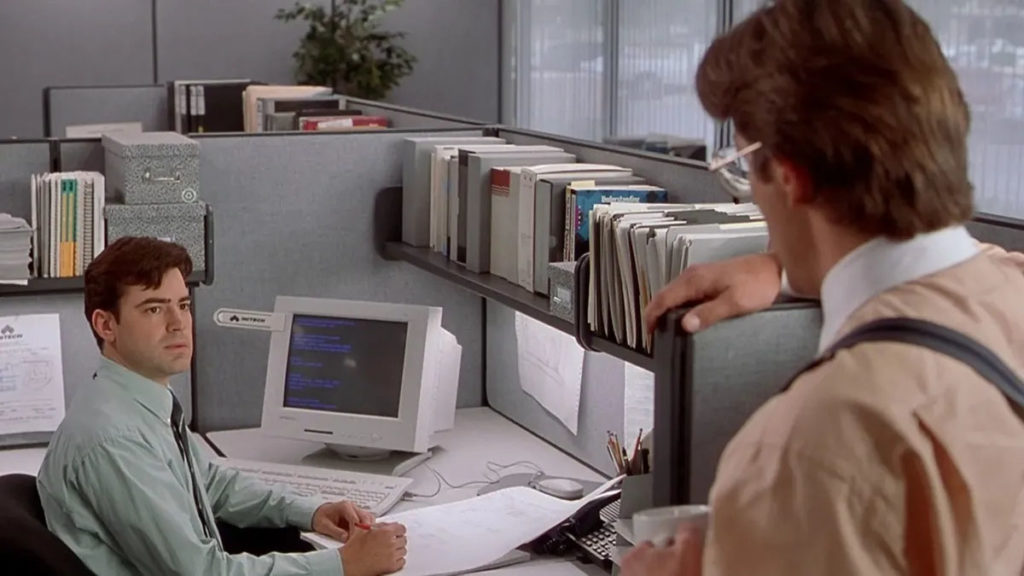
Office Space earned its cult status by saying the quiet parts out loud. Mike Judge took the everyday frustrations of office work and exaggerated them just enough to be hilarious without losing the truth underneath. The cubicles feel claustrophobic. The paperwork feels endless. The sense that none of it actually matters hangs over every scene.
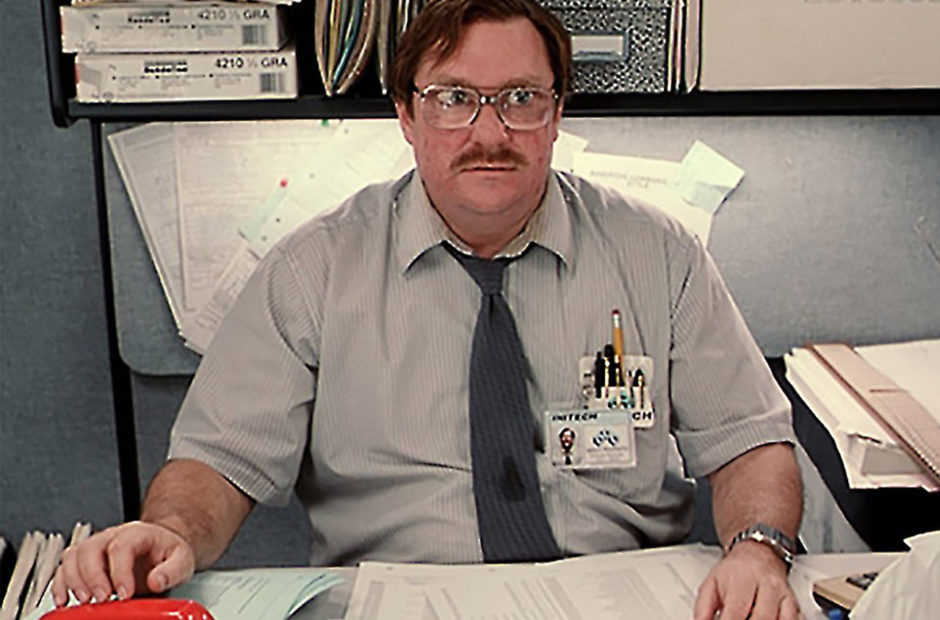
Ron Livingston’s Peter Gibbons became an unlikely hero by doing almost nothing. His rebellion is not loud or dramatic. It is passive, exhausted, and deeply relatable. Around him, characters like Lumbergh, Milton, and the perpetually annoyed Samir feel instantly familiar to anyone who has worked a desk job.
Once the movie hit home video, it spread fast. Quotes entered everyday conversation. Scenes were shared like therapy. It became a movie people put on because it made them feel seen, which is the fastest route to cult status.
Why People Missed It The First Time
When Office Space was released in 1999, it struggled to find its audience. The marketing did not clearly communicate what kind of movie it was, and workplace comedies were not exactly considered must-see theatrical events.
It also arrived in a crowded year packed with attention-grabbing releases like The Matrix, Fight Club, The Sixth Sense, and American Beauty. Against films that felt big, edgy, or urgent, a quiet satire about office life was easy to overlook.
Many people simply did not encounter it until years later, often through DVD rentals or cable. By then, the jokes landed harder because audiences had lived a little more life.
Why Office Space Still Holds Up
What makes Office Space age so well is how little it relies on specific technology. The computers may look dated, but the problems have not changed. Pointless metrics, empty motivation, and management buzzwords are still very much with us.
The performances remain pitch-perfect. Gary Cole’s Lumbergh is a master class in polite menace. Stephen Root’s Milton somehow manages to be tragic and hilarious at the same time. Judge’s restraint as a director lets the situations do the work instead of forcing the jokes.
Most importantly, the movie understands that burnout is not always explosive. Sometimes it is just quiet resignation. That insight feels even more relevant now than it did in 1999.
Where To Watch Office Space (1999)
Office Space is usually easy to find, but availability can still rotate between platforms. The easiest way to check current streaming, rental, or purchase options is through Reelgood. When available, the film typically appears as a digital rental or purchase on platforms like Prime Video and Apple TV. Physical media releases exist and remain popular for repeat viewing.
Final Thoughts
Office Space is not just a comedy; it is a coping mechanism. It gives language and humor to frustrations that most people are told to quietly accept. That honesty is why it stuck, and why it continues to find new fans.
If you have only seen clips or quotes, or if you dismissed it years ago as a one-note joke, it is worth finally sitting down and watching it properly. Chances are, it will hit closer to home than you expect.
Fun Jug Media, LLC (operating TheNerdy.com) has affiliate partnerships with various companies. These do not at any time have any influence on the editorial content of The Nerdy. Fun Jug Media LLC may earn a commission from these links.