Justice League International is the moment when DC deliberately broke its own formula. Instead of gods, icons, and perfect teamwork, this version of the League focused on personality clashes, bureaucracy, and heroes who were often in over their heads. It was still a Justice League title, but it refused to take itself too seriously.
The Birth of Justice League International
The team emerged in the late 1980s during a major relaunch of the Justice League concept. Rather than centering the lineup on DC’s most powerful heroes, this version leaned into global representation and unconventional choices.
The result was a League that felt human, messy, and unpredictable. Success was not guaranteed. Failure was often public.
A Team Defined by Tone
What truly set Justice League International apart was tone. Humor was not a side effect. It was the point. Stories embraced satire, character-driven comedy, and awkward team dynamics.
This approach allowed the series to explore heroism from a new angle. Saving the world still mattered, but so did clashing egos, cultural misunderstandings, and office politics.
Key Members You Should Know
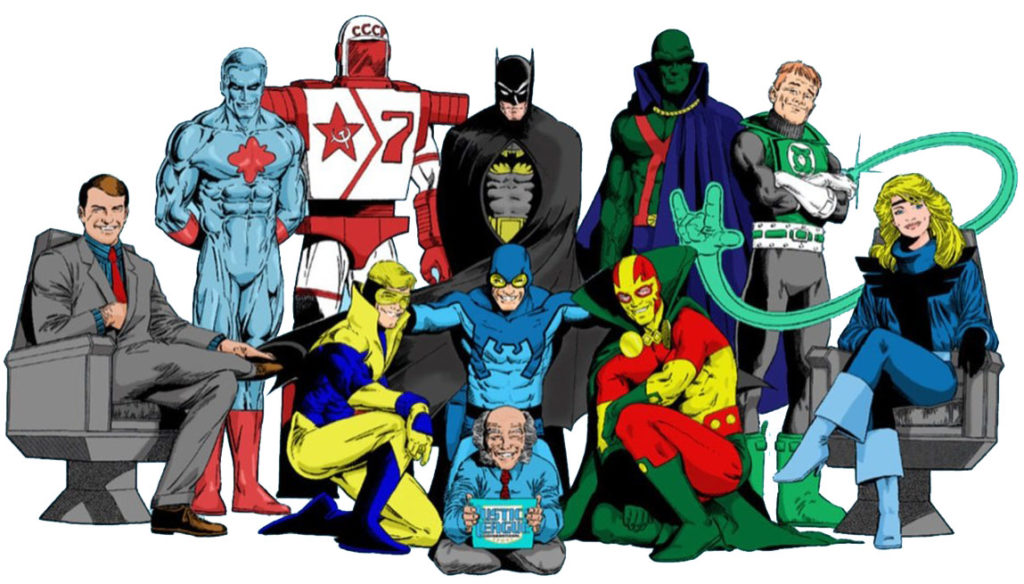
The roster shifted often, but several characters became synonymous with this era:
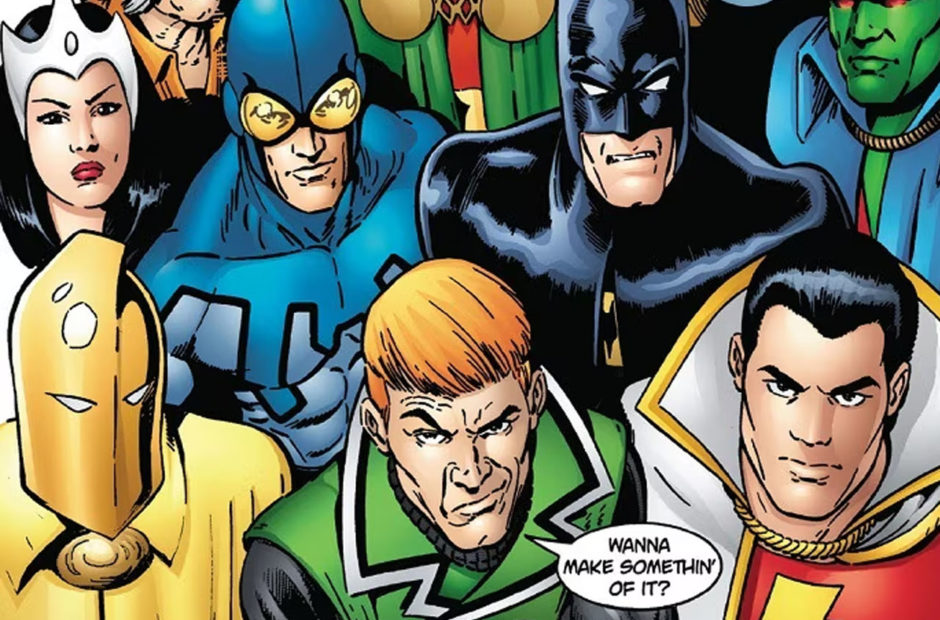
- Booster Gold: A fame-seeking hero whose insecurity fueled much of the team’s humor.
- Blue Beetle: A grounded presence whose friendship with Booster became legendary.
- Guy Gardner: A volatile Green Lantern whose attitude frequently caused problems.
- Martian Manhunter: Serving as a quiet anchor and voice of reason.
Rather than overpowering threats, these characters often struggled with each other.
The International Angle
This version of the League was positioned as a global organization, operating across multiple countries with varying levels of government cooperation. That structure introduced red tape, political interference, and public relations issues.
Heroes were not always welcomed. Sometimes they were tolerated. Sometimes they were blamed.
Why the Humor Worked
The comedy never erased stakes. Instead, it made the victories feel earned. When the team succeeded, it was despite their flaws, not because they overcame them overnight.
This balance allowed Justice League International to stand apart from more serious DC titles without undermining the importance of heroism.

Justice League International Versus the Main League
Where the main Justice League emphasizes unity and mythic scale, this team focused on friction and personality. Both versions aim to protect the world, but they do so in radically different ways.
Justice League International proved that heroism does not require perfection. It requires persistence.
Why Justice League International Matters
This era reshaped what a Justice League story could be. It showed that character, humor, and failure could coexist with heroics. Many modern ensemble stories owe a debt to this approach.
Justice League International remains a reminder that saving the world can still be awkward, frustrating, and deeply human.
FAQs
Is Justice League International a separate team?
It is a specific era and interpretation of the Justice League concept.
Is the tone meant to be comedic?
Yes. Humor is a defining feature, not a distraction.
Is it still canon?
Elements are referenced across DC history, even as continuity evolves.
Conclusion
Justice League International succeeded because it embraced imperfection. By focusing on flawed heroes in a global setting, it expanded the definition of what the Justice League could be. That willingness to experiment is why it still resonates.