Hosting a game night for a large group sounds simple until twelve people show up and half of them are standing around waiting for instructions. The difference between a chaotic night and a memorable one comes down to preparation, pacing, and choosing the right games for your space and crowd size. Here is how to host a game night that actually works.
Step 1: Choose the Right Type of Games
Not all games scale well. The bigger the group, the more you should lean toward games that allow simultaneous participation or team play.
Games that work well for large groups include:
- How to Play Salad Bowl
- How to Play Fishbowl
- How to Play Bunco
- How to Play Telephone Pictionary
- How to Play Ghost
Avoid games that require long individual turns or eliminate players early. Waiting is the fastest way to lose energy in a large group.
Step 2: Plan for Group Size in Advance
Before guests arrive, decide how many people you can realistically accommodate in one game.
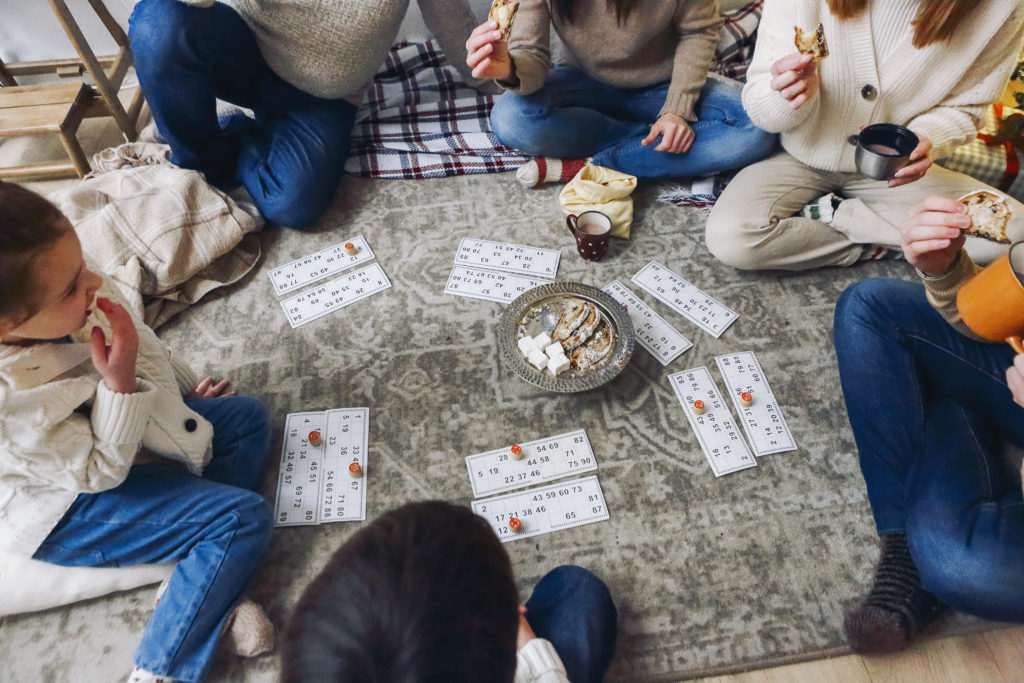
- 6 to 8 players can usually stay at one table.
- 9 to 14 players may need teams or multiple stations.
- 15 or more players benefit from rotating groups.
Having a clear plan prevents awkward reshuffling once everyone is seated.
Step 3: Explain Rules Quickly and Clearly
When hosting a large group, rule explanations must be short and direct. Cover only what players need to begin.
- Explain the goal first.
- Demonstrate one sample turn if needed.
- Clarify how the game ends.
If the rules take longer than two minutes to explain, simplify them.
iStock – petrenkod
Step 4: Control the Flow of the Night
Momentum matters more than perfection. Keep rounds short and move to the next game before energy drops.
- Plan two or three games instead of one long session.
- Have a backup option ready in case a game falls flat.
- Set clear starting and stopping points.
Short rounds keep attention high and prevent side conversations from taking over.
Step 5: Set Up the Space Intentionally
Physical setup can make or break a large group game night.
- Use multiple tables when possible.
- Clear unnecessary clutter from play areas.
- Keep snacks separate from active game zones.
- Make sure everyone can hear instructions.
Even small layout adjustments can dramatically improve the experience.
Step 6: Choose Games Based on Energy Level
Every group has a different personality. Some crowds want loud and competitive games. Others prefer collaborative or creative options.
- High energy: Fishbowl, Spoons, Rat Screw
- Moderate energy: Bunco, 31, Presidents
- Low energy: Ghost, Pig
Match the game to the room rather than forcing a specific plan.
Common Mistakes to Avoid
- Starting without explaining the goal.
- Allowing long rule debates mid-game.
- Choosing games that eliminate players early.
- Overloading the schedule with too many options.
- Ignoring noise and space limitations.
Final Thoughts
A successful game night is less about the specific game and more about how you manage the group. Choose scalable games, keep explanations short, and move on before energy dips. When you plan with the group size in mind, the games do the rest.