Title: Blind Box Collectibles 2025: How the Mystery Toy Craze Went Mainstream
For anyone who has ever dropped a few coins into a capsule toy machine in Tokyo or ripped open a mystery figure box at Target, the thrill is the same. You never know what you are getting, and that is exactly the point.
Blind box collectibles are not new. They have existed in Japan for more than half a century, but in recent years the format has exploded into global pop culture. What used to be a niche collector’s habit has become a retail juggernaut, thanks in large part to modern lines such as Zuru’s 5 Surprise series, which brought the concept to toy aisles everywhere.
In 2025, the mystery toy craze shows no sign of slowing down. TikTok unboxings are pulling millions of views, Pop Mart stores are opening across the United States, and even major chains like Walmart and Target are embracing surprise packaging. The world has finally caught up to what Japan figured out decades ago — people love a good mystery.
The 2025 Boom
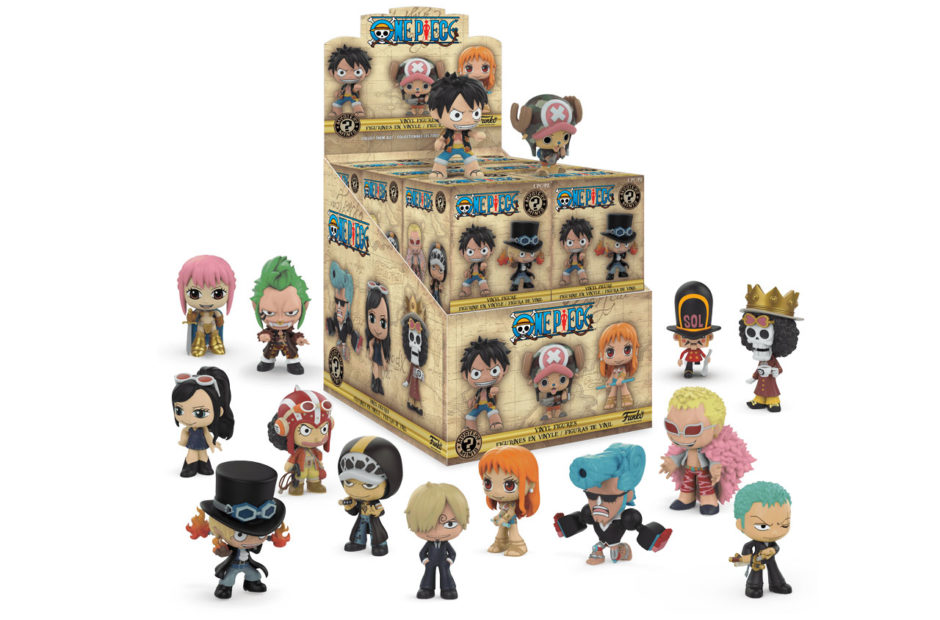
Blind-box toys have quietly become one of the biggest collecting trends of the decade. From Sonny Angel figures to Labubu’s surreal little creatures, collectors are chasing full sets, trading duplicates, and sharing their pulls online like baseball cards of old.
Part of the appeal is tactile. In a digital age, people miss the rush of physically unwrapping something. Another part is psychological, the small dopamine hit that comes from not knowing what is inside. Combine that with clever design and limited-edition runs, and you have the perfect storm for modern collectors.
The excitement is everywhere. Pop Mart’s new stores in the U.S. have been drawing lines around the block, and Zuru’s 5 Surprise continues to dominate the mainstream market with themed capsules that mix classic toy nostalgia with modern design. It is the kind of low-stakes thrill that feels rare in 2025, which may be why it resonates so strongly with fans who grew up in the spoiler era.
Japan Perfected the Art of Surprise
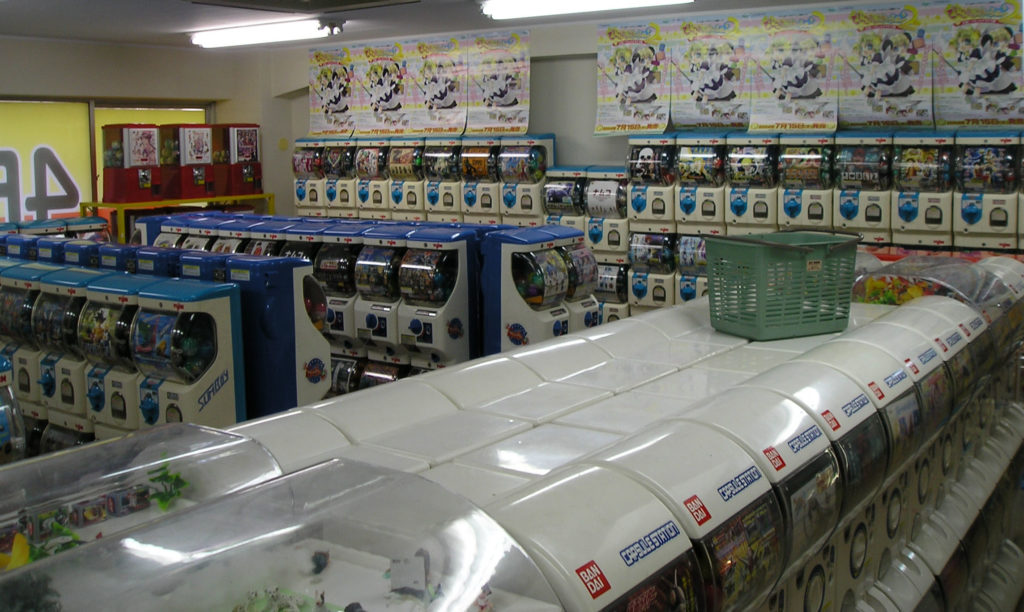
Long before Pop Mart and Zuru entered the scene, Japan’s gachapon machines were setting the standard. The word comes from the sounds involved: gacha for the crank’s twist and pon for the pop of the capsule.
Bandai introduced the concept in the 1960s, and by the following decade the machines were everywhere, lining the entrances of arcades, convenience stores, and train stations. For a few yen, you could twist the handle and score a miniature toy, anime figure, or keychain. Entire generations grew up collecting these capsules, swapping them on schoolyards, and hunting down complete sets.
Over time, gachapon evolved into an art form. Today, you can find machines that sell everything from detailed sushi replicas to tiny cat helmets. There is even a Gachapon Department Store in Tokyo’s Ikebukuro district housing thousands of machines. For Japanese collectors, the surprise is not a gimmick. It is a lifestyle.
Why the West Is Catching Up Now
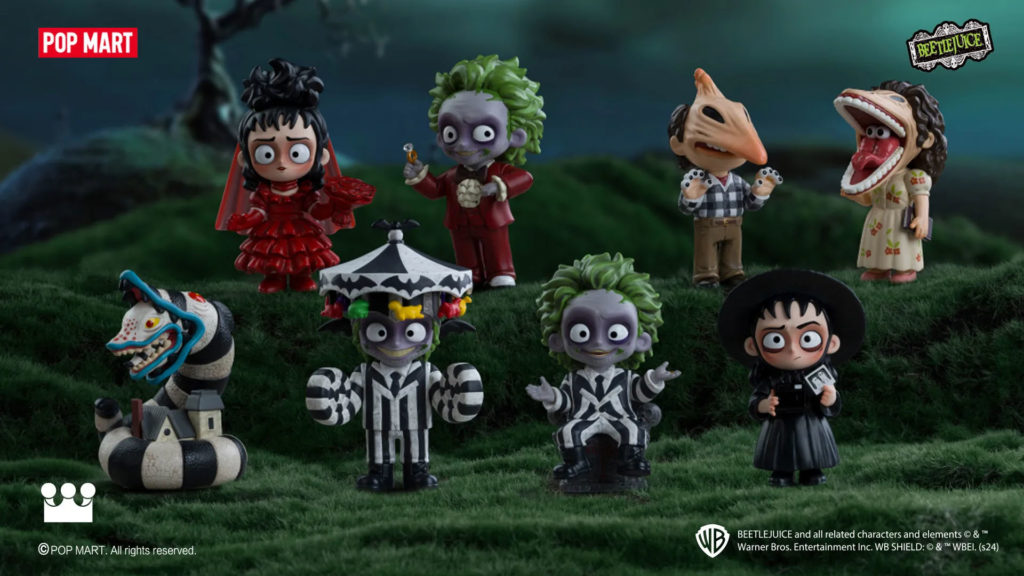
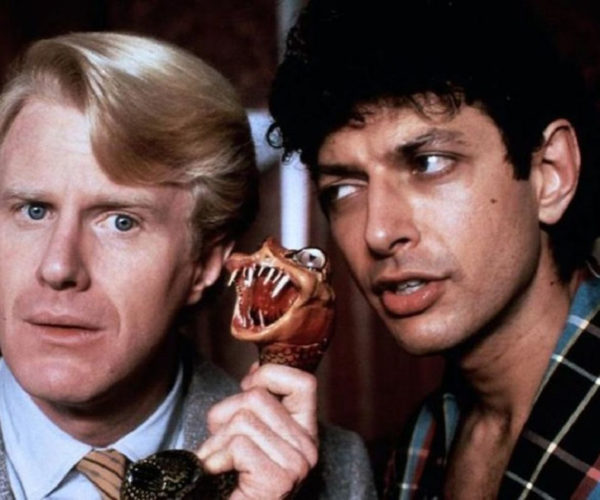
Figures based on Beetlejuice manufactured by Pop Mart.
The rest of the world is finally getting it. After years of algorithmic predictability, audiences are gravitating back toward the simple thrill of randomness.
Social media has turned every unboxing into instant content, and the nostalgia factor is strong. The same generation that once traded Pokémon cards and argued over who got the rare holographic Charizard is now comparing Zuru capsules and Pop Mart pulls on TikTok. The thrill has not changed, only the packaging.
What feels like a new collectible wave in the West is really just a delayed reaction to Japan’s decades-long head start.
The Universal Appeal
Whether it is gachapon machines lining the streets of Akihabara or mystery vinyls stacked at your local comic shop, the core appeal has not changed. Blind-box collecting is about suspense, surprise, and connection. It is fandom distilled into a single twist of the crank.
And maybe that is why the trend endures. No matter how digital collecting becomes, we will always crave the moment right before the capsule pops open.