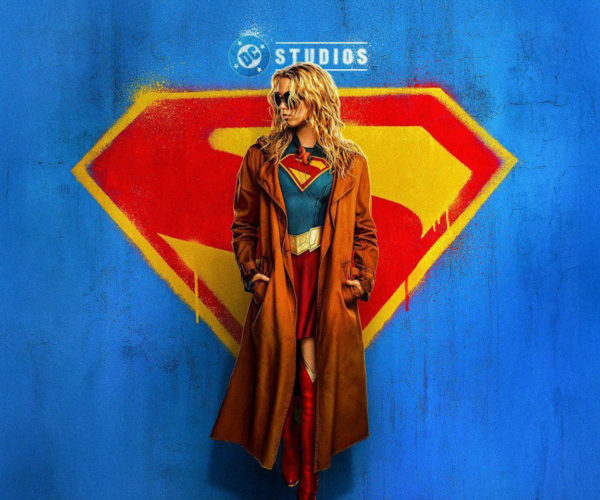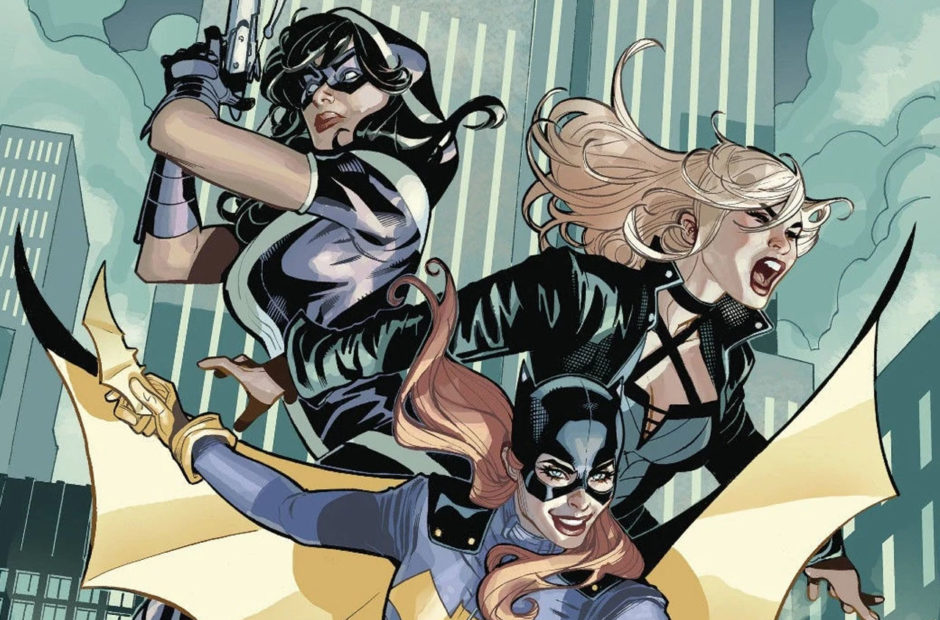
The Birds of Prey don’t usually fight alien invasions or cosmic gods. Their enemies are closer, uglier, and more personal. These are the threats that thrive in the real-world version of the DC Universe, the one built on leverage, fear, and people getting hurt in quiet places where no one is watching.
If the Justice League is the headline, this team is the hard copy. Their opposition tends to be street-level, psychological, and rooted in control more than spectacle.
Why These Enemies Hit Different
A lot of superhero villains want to conquer something. The foes most associated with this team tend to want something smaller and worse: dominance over a person, a neighborhood, a system. That changes the texture of the stories. Injuries matter. Trauma lingers. Winning often means stopping something terrible rather than landing a perfect victory.
Black Mask
Black Mask is a crime boss built around intimidation and cruelty. He represents the kind of threat this team exists to confront: organized violence with personal, human consequences. When he enters a story, the danger is rarely abstract. It is immediate, targeted, and meant to break people.
The Calculator
The Calculator is dangerous because he treats information like a weapon. He is not a brawler. He is an operator who trades in secrets, surveillance, and leverage. Against a team that relies on coordination, timing, and trust, that makes him a uniquely stressful opponent.
Lady Shiva
Lady Shiva is one of DC’s most feared martial artists, and she does not need armies or gadgets to be terrifying. A confrontation with Shiva is usually less about chaos and more about inevitability. She is the kind of enemy who forces characters to confront limits, not just in skill, but in resolve.
Tobias Whale
Tobias Whale represents the kind of entrenched criminal power that does not go away with one heroic punch. He is a symbol of corruption and enforcement, the sort of figure who can survive because the system around him is built to protect people like him. That makes him a natural fit for stories where heroism is about persistence instead of glory.
Poison Ivy
Poison Ivy is not a standard “team villain,” but she is the kind of threat that collides with these characters in a very specific way. Ivy’s stories often involve control, identity, and consequences that linger. When she intersects with street-level heroes, the conflict becomes less about a plant monster and more about boundaries, consent, and what power does to people.
Human Predators and Systemic Threats
Some of the most unsettling opposition in Birds of Prey stories does not wear a costume worth marketing. These are traffickers, corrupt officials, violent fixers, and predatory criminals who rely on silence and complicity. They are included here for a reason. This team exists to go after threats that larger hero groups often overlook because they do not look like a “super villain” problem.
Why This Matters
The enemies tied to this team help define what makes it different. These are not fights for trophies or reputation. They are fights for safety, autonomy, and justice where the usual systems have failed. That focus is why the team has endured, even as rosters and eras change.
FAQs
Are these enemies weaker than Justice League villains?
Not necessarily. They are often more grounded, but their danger comes from realism, control, and consequences.
Does the team face supernatural threats?
Sometimes, but the most defining stories tend to focus on human-driven harm and criminal power structures.
Why do these stories feel more personal?
Because the conflicts are usually built around protection, trauma, and accountability rather than spectacle.
Conclusion
The Birds of Prey are defined by the enemies they face. These threats are not designed to impress. They are designed to hurt, control, and disappear people in plain sight. That is exactly why this team exists, and why their victories tend to feel earned the hard way.