Television history loves its hits. What it rarely talks about are the almost-hits. The 1960s were packed with pilot episodes, spin-off attempts, and experimental prototypes that never made it past the starting gate. Networks were hunting for the next Bonanza, the next Gunsmoke, the next breakout sitcom. That meant dozens of concepts were tested and quietly discarded.
But “failed” does not mean uninteresting. In many cases, these pilots were stepping stones toward something better. In others, they were bold ideas that simply arrived at the wrong moment. If you want to understand how television evolved, you have to look at the projects that did not survive.
Here are 10 failed 60s TV pilots and spin-offs you probably never saw, but absolutely should know about.
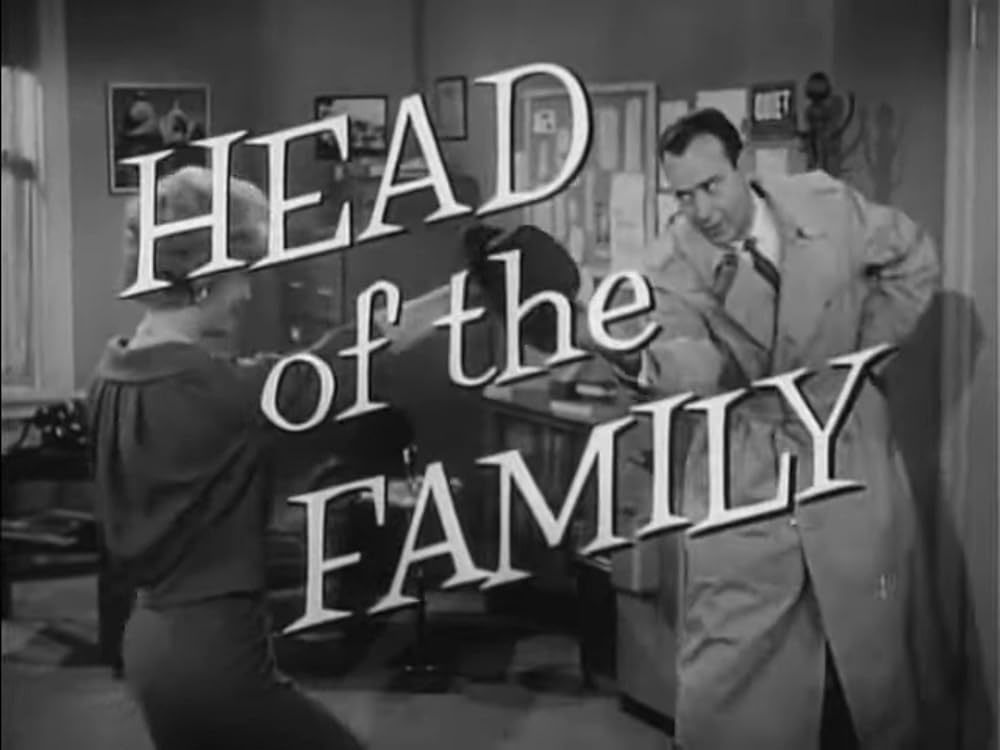
1. Head of the Family (1960)
Why it matters: The first version of a sitcom classic that needed one crucial change.
Before The Dick Van Dyke Show became one of the most beloved sitcoms of all time, it began as a pilot called Head of the Family, starring creator Carl Reiner as the lead. The structure was there. The writing was there. What was missing was the spark. Recasting the central role turned a rejected pilot into a television institution.
2. The Original Star Trek Pilot, The Cage (1965)
Why it matters: A rejected science fiction pilot that still became canon.
NBC initially passed on the first Star Trek pilot, judging it too cerebral. Instead of killing the project, the network ordered a second attempt. Footage from The Cage later appeared in the two-part episode “The Menagerie,” making it one of the rare cases where a failed pilot still shaped a franchise.
3. Star Trek: “Assignment: Earth” (1968)
Why it matters: A Star Trek spin-off attempt hiding inside the original series.
This late-era Star Trek episode shifts focus almost entirely away from Kirk and the Enterprise crew because it was built as a backdoor pilot for a proposed new series. The story introduces Gary Seven and a contemporary Earth-based sci-fi premise, clearly designed to test whether audiences would follow a separate show. The spin-off never materialized, but it remains one of the earliest and most obvious examples of a franchise using an established hit to launch something new.
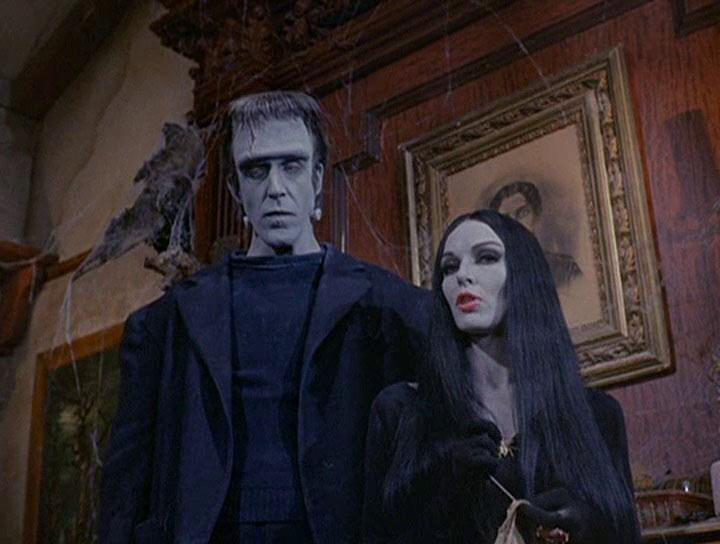
4. The Munsters presentation pilot (1964)
Why it matters: Even monster families go through test runs.
Before the version of The Munsters audiences remember, there was an earlier presentation pilot with different casting and tonal tweaks. It shows how even seemingly effortless sitcoms are refined through trial and error before they hit their stride.
5. Justice for All (1968) – The All in the Family Precursor
Why it matters: The first draft of a cultural lightning rod.
Before All in the Family redefined American sitcoms, Norman Lear developed an earlier pilot called Justice for All. Networks initially rejected the concept, but the core idea remained powerful. After revisions and another pilot attempt, the project finally evolved into the groundbreaking series that would reshape television in the 1970s. Sometimes a failed pilot is simply history waiting for the right moment.
6. Those Were the Days (1969) – The Second All in the Family Attempt
Why it matters: Even major television landmarks sometimes take multiple tries.
After ABC rejected Justice for All, Norman Lear retooled the concept and delivered a second pilot titled Those Were the Days. It too failed to secure a series order. Only after further revisions did the show finally evolve into All in the Family, the sitcom that would redefine American television in the 1970s.
7. Alexander the Great (1963)
Why it matters: Ambition that proved too expensive or too niche.
The 1960s experimented with historical adventure on television, but not every epic translated to weekly programming. Alexander the Great stands as a reminder that big ideas sometimes collide with small-screen realities.
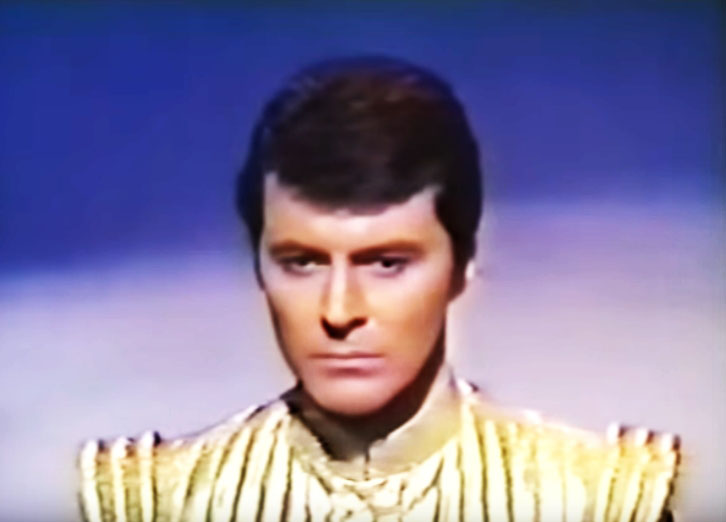
8. The Man from the 25th Century (1968)
Why it matters: Even proven producers strike out.
Irwin Allen dominated 60s genre television, but this science fiction pilot did not earn a series order. It illustrates how unpredictable the development process can be, even for established hitmakers.
9. The Shrimp (1960)
Why it matters: Animation was full of experiments that never aired.
As Saturday morning programming expanded, studios tested countless animated concepts. Some became staples. Others, like this obscure effort, never advanced beyond the pilot stage.
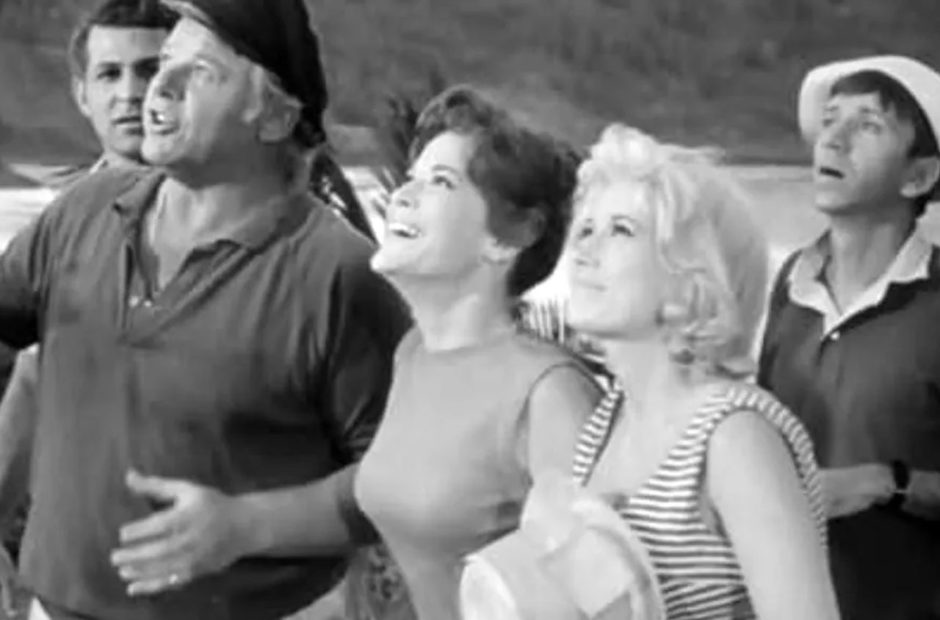
10. Gilligan’s Island original pilot (1963)
Why it matters: A familiar show with a very different beginning.
The original Gilligan’s Island pilot featured cast and production differences from the series viewers know today. Even comfort television goes through refinement before it becomes iconic.
Final Thoughts
The 1960s were not just the golden age of westerns and sitcoms. They were a laboratory. Networks tested, rejected, revised, and tried again. For every series that became a staple of reruns, there were alternate versions that quietly disappeared.
These failed pilots and abandoned spin-offs are more than trivia. They are reminders that television history is built on iteration. Sometimes the show you remember only exists because an earlier version did not work.
Be sure to check out other entries in this series:
- Underrated 60s Cartoons – 10 Shows You Totally Forgot About
- Underrated 60s Sitcoms – 10 Shows You Totally Forgot About
- Underrated 70s TV Dramas – 10 Series You Totally Forgot
Fun Jug Media, LLC (operating TheNerdy.com) has affiliate partnerships with various companies. These do not at any time have any influence on the editorial content of The Nerdy. Fun Jug Media LLC may earn a commission from these links.