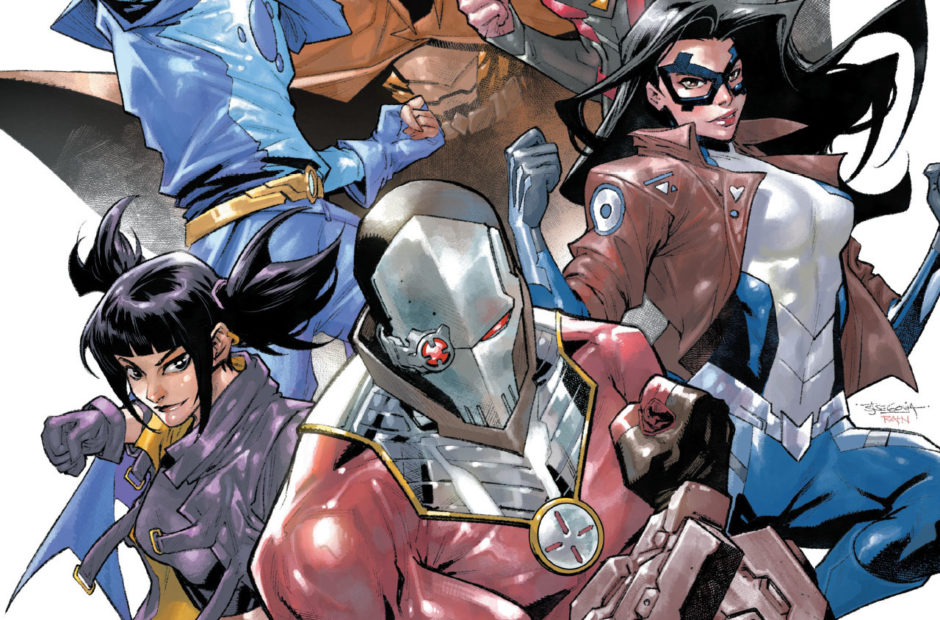
The Secret Six are not a traditional villain group, and they are certainly not a united one. Built on blackmail, coercion, and mutual resentment, this team exists because its members have no other option. Where alliances like the Legion of Doom rely on shared ambition, this group survives on tension and mistrust.
The Origins of the Secret Six
The name goes back further than most people realize. The original version debuted in Secret Six #1 in 1968 as a covert-ops concept, separate from the modern villain team most fans think of today.
The version that defines the group in modern DC continuity arrives in Villains United #1 (2005), during the Infinite Crisis era. In that story, a mysterious “Mockingbird” assembles six villains for a specific mission against the Secret Society of Super Villains. The team is built through leverage and secrets, not loyalty.
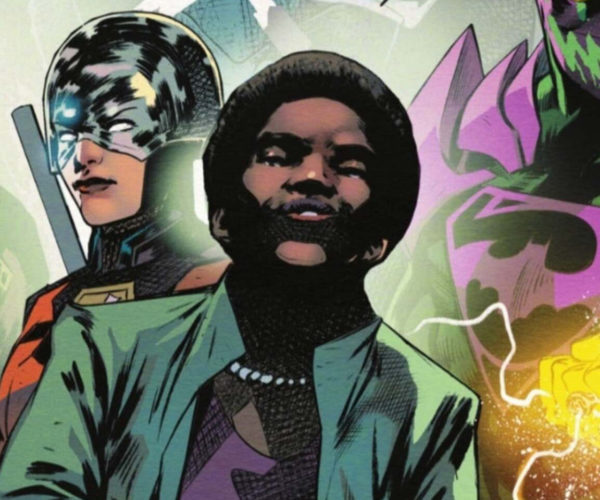
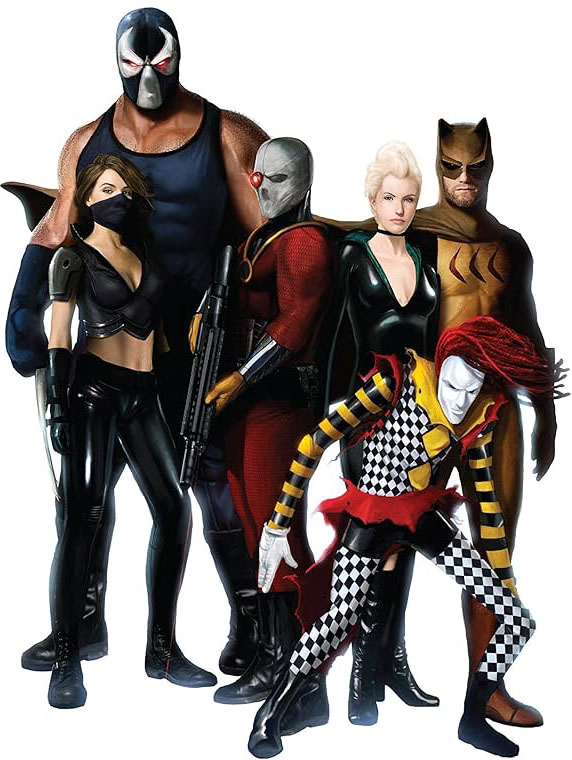
That roster is the one readers associate with the concept: Catman, Deadshot, Cheshire, Scandal Savage, Rag Doll, and a Parademon. The handler’s identity is eventually revealed as Lex Luthor. From there, the team continues into its own follow-up series and later expansions.
The Role of the Handler
At the center of the group is a mysterious figure who provides missions, intelligence, and consequences. This handler operates from the shadows, keeping members in line through secrets rather than ideology.
The presence of a controlling voice reinforces the team’s central theme. No one is truly free, even when they believe they are.
Core Members Across Eras
The roster changes frequently, but several figures define the group’s identity:
- Deadshot: A professional killer struggling with conscience and self-loathing.
- Catman: A fallen criminal who finds renewed purpose through the team.
- Bane: A strategist whose presence brings both intelligence and brutality.
- Scandal Savage: A fierce operator caught between legacy and autonomy.
Members are not selected for balance. They are selected for volatility.
How the Team Operates
The group functions more like a pressure cooker than a squad. Missions are dangerous, morally compromised, and often designed to test loyalty. Success does not guarantee safety. Failure does not guarantee death.
This instability creates unexpected moments of humanity. When betrayal is expected, small acts of trust become meaningful.
Villains Who Are Not Quite Villains
One of the defining traits of the Secret Six is moral ambiguity. While most members have committed serious crimes, many operate under personal codes rather than grand ambitions. Their conflicts often revolve around autonomy, identity, and resistance to manipulation.
This makes the team feel closer to an antihero group than a standard villain collective.
The Secret Six Versus Other Villain Teams
Unlike larger alliances, this team does not seek dominance or revenge. They take jobs because refusal is not an option. That dynamic separates them from organized villain movements and keeps their stories focused on character rather than conquest.
Why the Secret Six Matters
The Secret Six explores the cost of power from the bottom up. These are characters who know they are expendable. Their stories ask whether freedom is possible when every choice is constrained by fear or obligation.
FAQs
Are the Secret Six heroes or villains?
They are villains by history, but their actions often fall into moral gray areas.
Is the team connected to the Suicide Squad?
No. While both involve coercion, they operate under different structures and motivations.
Does the roster stay the same?
No. Membership changes frequently, often violently.
Conclusion
The Secret Six is built on instability by design. It thrives on tension, secrets, and reluctant cooperation. In a universe filled with grand plans and cosmic threats, this team proves that the most dangerous conflicts are often personal.