Film noir is often spoken about as if it simply faded away, another style that drifted out of fashion. In reality, noir did not quietly disappear. It reached a natural breaking point. The conditions that created it could not last, and once those conditions changed, the genre had nowhere left to go in its original form.
What makes noir unique is that it was never a planned movement. It emerged accidentally, shaped by history, economics, censorship, and anxiety. When those forces shifted, film noir ended not because audiences rejected it, but because it had already said everything it could.
The Perfect Storm That Created Noir
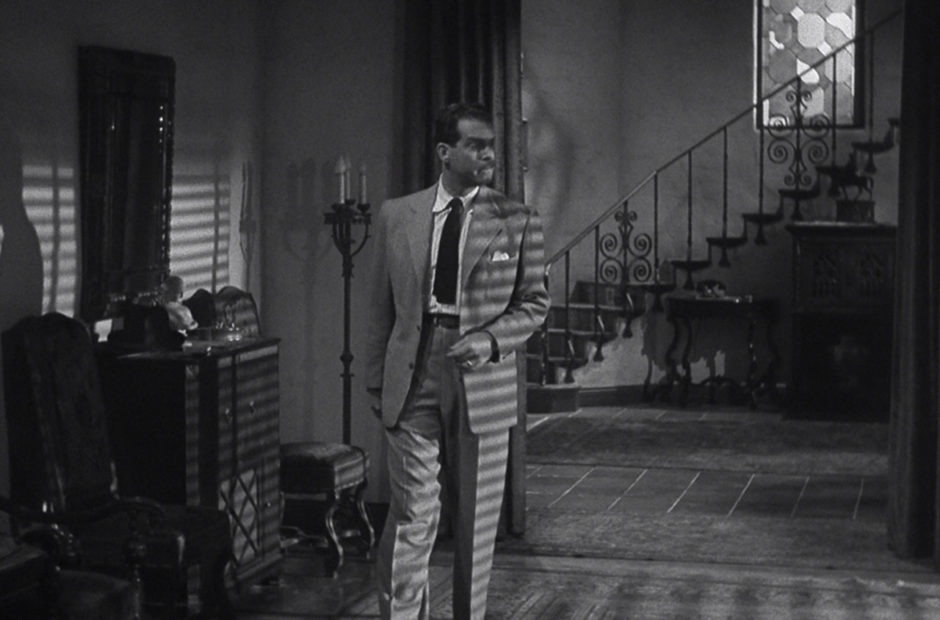
Classic film noir took shape in the 1940s and early 1950s, born from a collision of influences. Wartime trauma, postwar disillusionment, and a flood of hardboiled crime fiction all played a role. Studios, facing budget constraints, leaned into shadow-heavy lighting and urban locations that would become defining visual traits.
Films like Double Indemnity, The Maltese Falcon, Out of the Past, and Laura reflected a worldview shaped by suspicion and moral uncertainty. Heroes were compromised. Institutions were unreliable. Justice was often partial or absent.
Crucially, noir thrived under limitation. The Production Code restricted explicit violence and sexuality, forcing filmmakers to imply danger and desire through atmosphere and dialogue. What could not be shown became more powerful because it was suggested.
Noir Was Never Meant to Be Comfortable
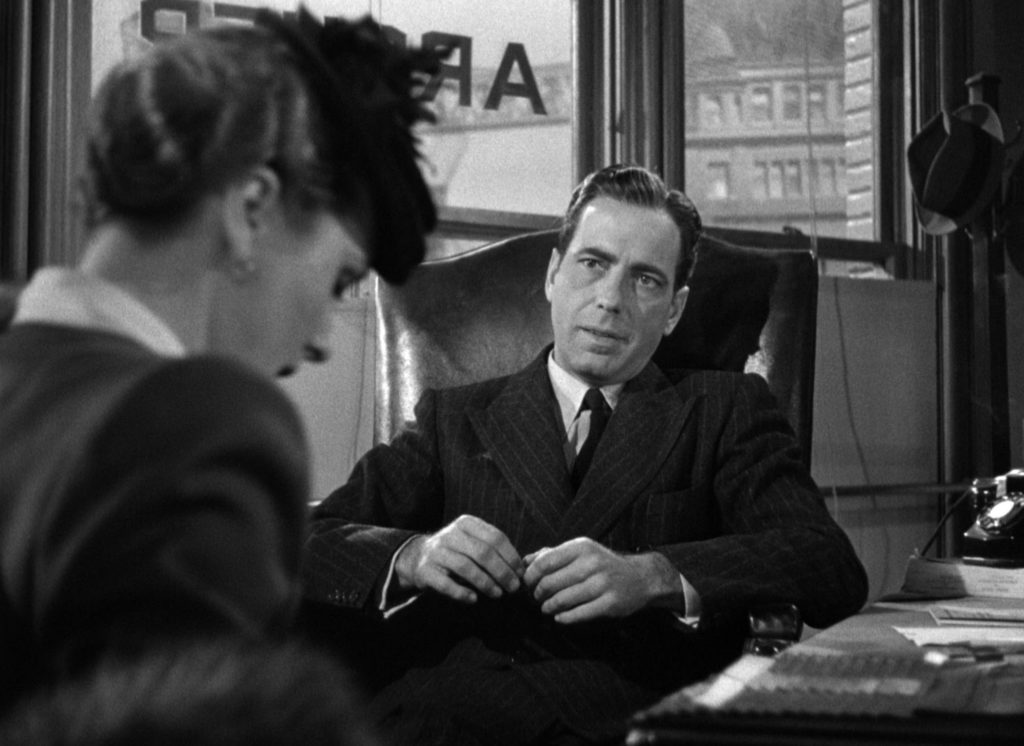
Film noir rejected the optimism that defined much of classic Hollywood. These films acknowledged that people could make the right choice for the wrong reasons, or the wrong choice for understandable ones.
Audiences connected because noir felt honest. It mirrored the unease of a world adjusting to peacetime while carrying invisible scars. The shadows on screen reflected emotional and psychological darkness that audiences recognized.
But that honesty came with a cost. Noir was not escapist in the traditional sense. It demanded attention and emotional engagement, which limited how broadly it could expand.
Why the Genre Reached Its Limit
By the mid-1950s, the foundations of film noir began to erode. Economic conditions improved, censorship standards slowly loosened, and audience tastes shifted toward brighter, more forward-looking stories.
At the same time, the genre’s visual language became familiar. What once felt dangerous began to feel stylized. As studios leaned into color cinematography and widescreen formats, noir’s shadow-driven aesthetic lost its industrial advantage.
Perhaps most importantly, noir could not repeat itself without contradiction. Its power came from ambiguity and fatalism. Turning those qualities into formulas drained them of meaning.
How Noir Transformed Instead of Dying
Film noir did not vanish so much as mutate. Its themes and techniques migrated into other genres. Crime films, political thrillers, and later neo-noir works carried forward its skepticism and visual sensibility.
Neo-noir films adopted the moral complexity of classic noir while discarding its formal constraints. Color replaced black-and-white. Explicitness replaced implication. The genre evolved because it had to.
Television would later absorb noir’s DNA even more fully, using long-form storytelling to explore corruption and moral decay over time.
Why Film Noir Still Resonates
Film noir matters because it captured a moment when Hollywood allowed pessimism to sit at the center of mainstream cinema. These films acknowledged fear, doubt, and compromise without offering easy resolution.
The end of classic noir marked the moment when that level of ambiguity became harder to sustain in studio filmmaking. What followed was not inferior, but it was different.
Noir had to end because it was bound to its moment. Its legacy endures precisely because it did not overstay its welcome.
What Noir Teaches Us Now
Looking back, film noir stands as a reminder that genres are shaped as much by circumstance as by creativity. When the world changes, storytelling changes with it.
Noir’s disappearance was not a failure. It was a conclusion. And in cinema, conclusions are often what give stories their lasting power.
Fun Jug Media, LLC (operating TheNerdy.com) has affiliate partnerships with various companies. These do not at any time have any influence on the editorial content of The Nerdy. Fun Jug Media LLC may earn a commission from these links.