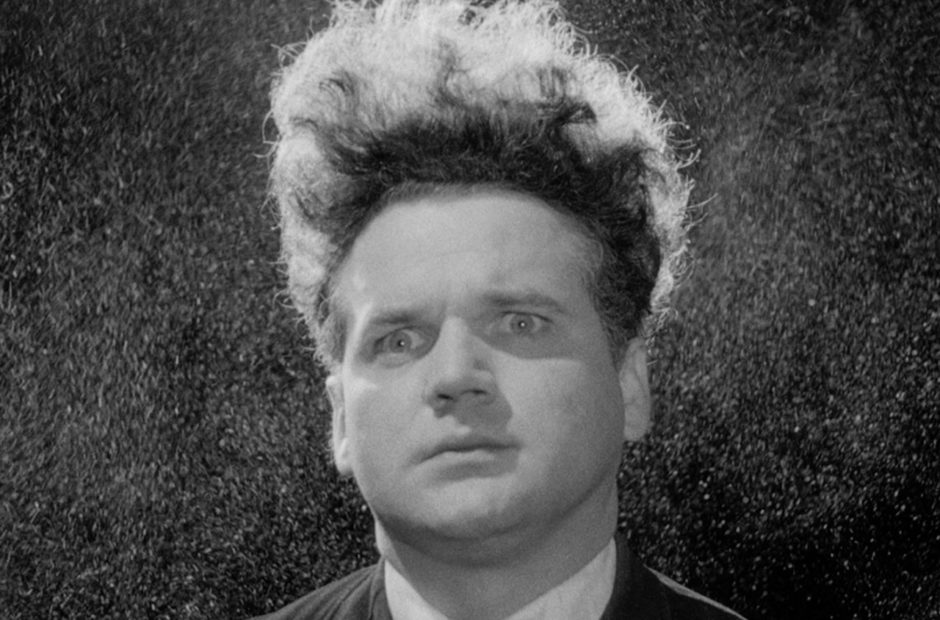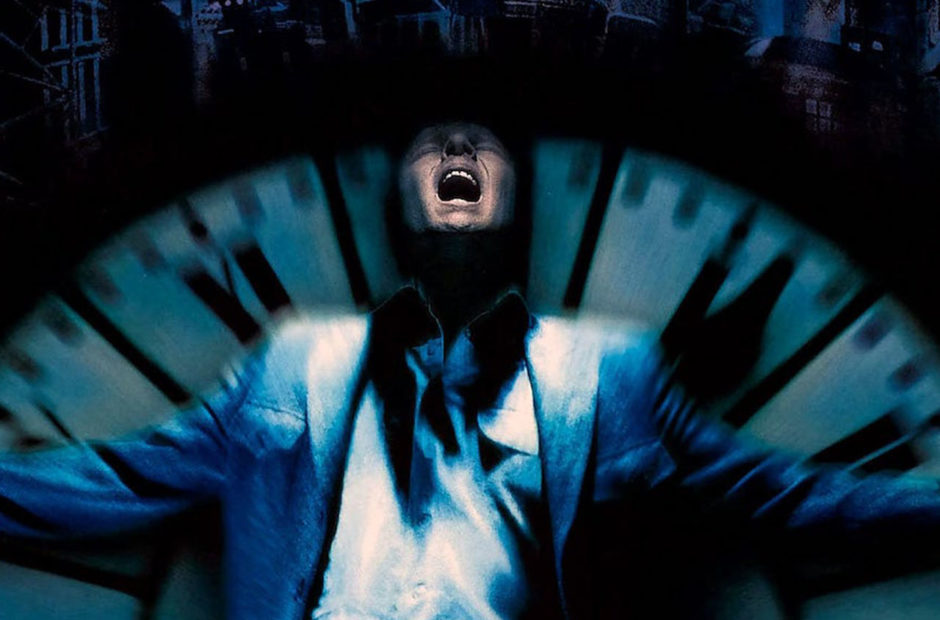
If you ever wondered why so many late-1990s science fiction films were obsessed with memory, identity, and hidden truths, Dark City sits right at the center of that conversation. It is the kind of movie people often remember in fragments: endless night, shifting buildings, pale figures watching from the shadows. What tends to get lost is just how confident and fully formed it is.
This week in Cult Classics You Should Finally Watch, we are revisiting a film that slipped through the cracks on release but quietly laid groundwork that others would later build entire franchises on.
Why Dark City Is A Cult Classic
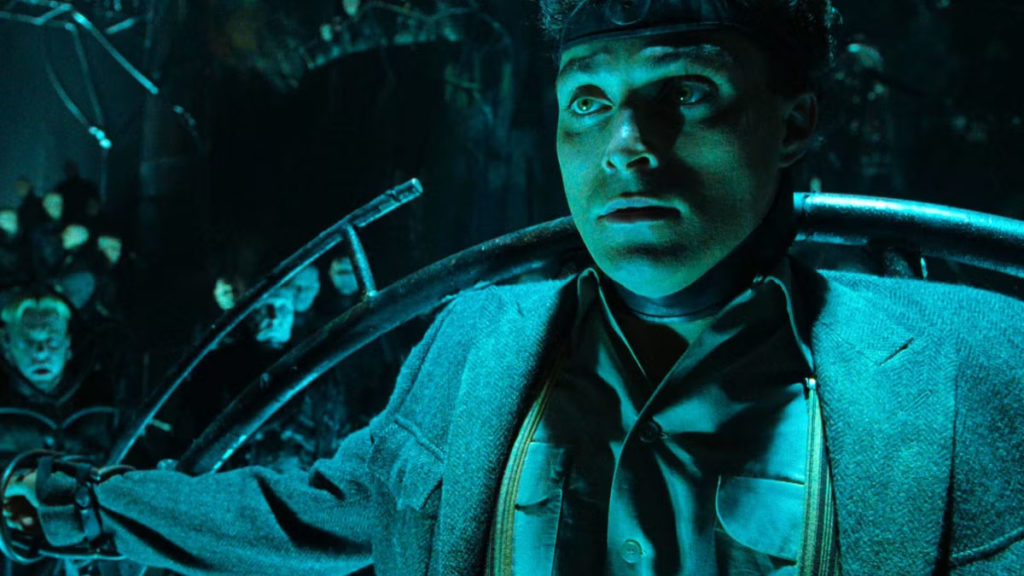
Dark City earns its cult status through atmosphere and ambition. Director Alex Proyas blends film noir, expressionist design, and high-concept science fiction into a world that feels fully alien yet strangely familiar. The city never sees daylight. Streets rearrange themselves. People wake up unsure of who they are.
Rufus Sewell grounds the film as John Murdoch, a man trying to piece together his identity while reality itself keeps shifting. Around him, performances from Jennifer Connelly, William Hurt, and Kiefer Sutherland add texture and emotional weight. The Strangers, with their ghostly appearance and whispered menace, remain genuinely unsettling.
Fans latched onto the movie because it trusted them. It did not spoon-feed answers or flatten its ideas. It asked viewers to engage, rewatch, and think, which is exactly the kind of relationship that fuels long-term cult devotion.
Why People Missed It The First Time
Dark City arrived in 1998 at a moment when audiences were already being pulled in multiple directions. The year was dominated by high-profile releases like Titanic, Saving Private Ryan, Armageddon, and The Truman Show. Against those, a moody, philosophical sci-fi noir struggled to stand out.
The marketing did not help. Trailers leaned into mystery but also revealed too much, undercutting the film’s sense of discovery. Viewers unsure of what they were getting often skipped it altogether.
As a result, many people did not encounter Dark City until years later, often after hearing it mentioned alongside other reality-bending sci-fi hits. By then, it had already developed a reputation as something quietly essential.
Why Dark City Still Holds Up
Watching Dark City now, its craftsmanship stands out immediately. The production design is bold and cohesive. Miniatures, sets, and practical effects give the city a weight that still feels tangible. Trevor Jones’ score reinforces the sense of unease without overpowering the story.
The themes have aged remarkably well. Questions about identity, control, and the stories we tell ourselves to feel human feel even more relevant in an era of digital selves and curated realities. The film’s refusal to offer easy comfort is part of its strength.
Most importantly, it still feels complete. This is not a movie hinting at sequels or expanded universes. It tells a full story, ends decisively, and leaves you thinking rather than dangling bait.
Where To Watch Dark City (1998)
Dark City tends to rotate in and out of streaming availability, so it is worth checking before you settle in. The easiest way to see current streaming, rental, or purchase options is through Reelgood. When available, the film typically appears as a digital rental or purchase on platforms like Prime Video and Apple TV. Physical media releases exist, and the director’s cut is often recommended for first-time viewers.
Final Thoughts
Dark City is one of those films that benefits enormously from time. Stripped of hype and expectations, it reveals itself as a confident, stylish piece of science fiction that was simply a little too early for the conversation it wanted to have.
If you missed it, or if you only half-remember it from years ago, it is well worth revisiting. Few cult classics balance mood, ideas, and storytelling this effectively, and fewer still feel this complete on their own terms.
Fun Jug Media, LLC (operating TheNerdy.com) has affiliate partnerships with various companies. These do not at any time have any influence on the editorial content of The Nerdy. Fun Jug Media LLC may earn a commission from these links.