What exactly are cult classic 70s horror films? The 1970s blew the doors off the genre: directors fused art house style with grindhouse nerve, censorship lines moved, and low budget visionaries turned nightmares into cultural landmarks. While The Exorcist and Jaws rewrote the box office, a deeper, stranger vein of 70s horror kept the midnight crowd buzzing and still does.
Here are 10 cult classic 70s horror films that deserve a second look. Some were too transgressive, too stylish, or simply too ahead of their time, but each one shaped the language of modern horror.
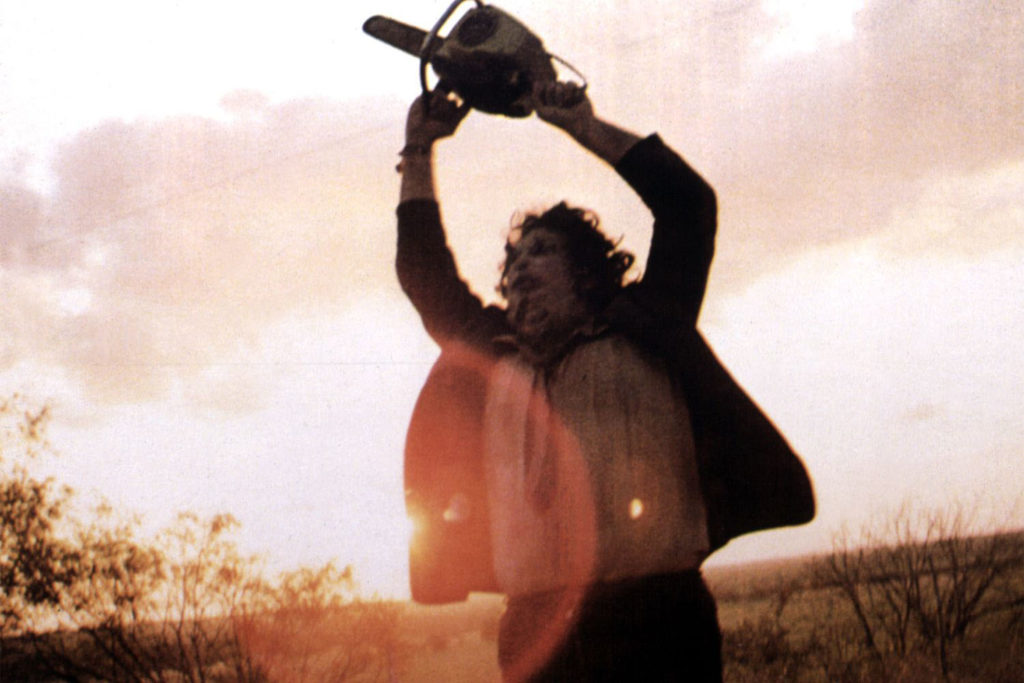
1. The Texas Chain Saw Massacre (1974)
Why it’s a cult classic: Sunburned terror shot like a documentary.
Tobe Hooper’s raw nerve of a film turned rural dread into a visceral art form. Its sound design, implied gore, and grimy realism made slasher cinema feel uncomfortably real.
Where to watch: Available to stream; sold on physical media and digitally.
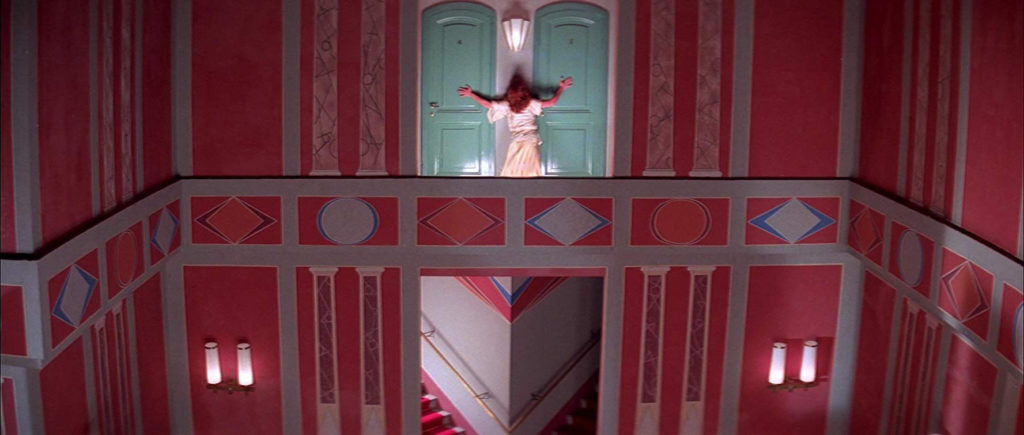
2. Suspiria (1977)
Why it’s a cult classic: A giallo fever dream in neon.
Dario Argento’s witches’ ballet is all color, sound, and menace. A hallucination of stained glass, Goblin’s pounding score, and operatic violence.
Where to watch: Available to stream; sold on physical media and digitally.
3. The Wicker Man (1973)
Why it’s a cult classic: Folk horror with a singalong smile and a scream for an ending.
Police procedural meets pagan ritual on Summerisle, where politeness masks something ancient and unforgiving.
Where to watch: Available to stream; sold on physical media and digitally.
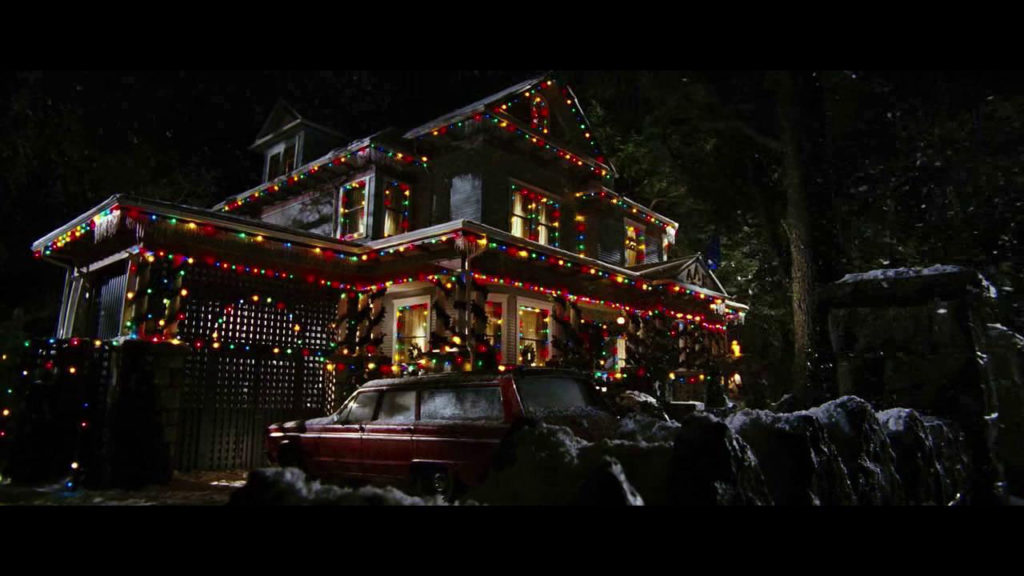
4. Black Christmas (1974)
Why it’s a cult classic: The slasher blueprint before the rules were written.
Bob Clark’s holiday chiller invented killer POV calls, an urban legend vibe, and an ending that will not stop breathing down your neck.
Where to watch: Available to stream; sold on physical media and digitally.
5. Phantasm (1979)
Why it’s a cult classic: Dream logic horror with a funereal sci-fi twist.
Don Coscarelli’s Tall Man, killer spheres, and mausoleum labyrinths created a uniquely American surrealism fans still puzzle over.
Where to watch: Available to stream; sold on physical media and digitally.
6. Don’t Look Now (1973)
Why it’s a cult classic: Grief as a ghost story.
Nic Roeg’s fractured editing and Venice’s damp red terror make this an atmospheric masterpiece where the scariest thing is memory itself.
Where to watch: Available to stream; sold on physical media and digitally.
7. The Brood (1979)
Why it’s a cult classic: Divorce court by way of body horror.
Cronenberg externalizes rage and trauma as literal monsters. It is domestic horror that claws at the psyche.
Where to watch: Available to stream; sold on physical media and digitally.
8. Martin (1978)
Why it’s a cult classic: A vampire story without fangs or is it?
George A. Romero trades zombies for ambiguity, following a troubled young man who may be a creature of myth or just dangerously unwell.
Where to watch: Currently unavailable.
9. Deep Red (Profondo Rosso) (1975)
Why it’s a cult classic: Argento’s tightest giallo. Mystery, music, and murder as precision art.
Switchblade clues, Goblin’s iconic score, and one perfect visual twist cemented the giallo playbook.
Where to watch: Available to stream; sold on physical media and digitally.
10. Let’s Scare Jessica to Death (1971)
Why it’s a cult classic: Whisper soft terror on the edge of sanity.
A fragile protagonist, a possibly vampiric stranger, and New England folk echoes create a seaside lullaby you will regret humming.
Where to watch: Available to stream; sold on physical media and digitally.
Final Thoughts
The 1970s did not just escalate horror. They diversified it. From folk rituals to giallo glam and grief stricken psychodramas, this decade taught fear to wear many masks. If you want to understand modern horror’s obsessions, these cult favorites are essential.
Follow the series next week as we step into the neon shadows of the 1980s.
Be sure to check out the other entries in this series:
Fun Jug Media, LLC (operating TheNerdy.com) has affiliate partnerships with various companies. These do not at any time have any influence on the editorial content of The Nerdy. Fun Jug Media LLC may earn a commission from these links.